Shedding light on the Deepwater Horizon oil spill
Second anniversary of disaster sees new report criticise scientific models used
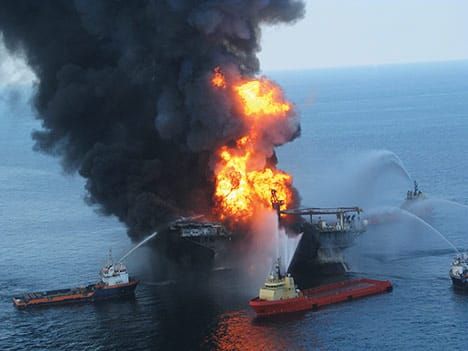
On the second anniversary of the Deepwater Horizon oil spill in the Gulf of Mexico, a new report suggests that existing scientific models were inadequate to deal with the disaster. The team, based at the University of California, Santa Barbara, have published the first comprehensive study of what happened at the Deepwater oil spill in 2010.
Releasing an estimated 206 million gallons of oil at unprecedented depths, the spill was the largest accidental marine spill in the history of the petroleum industry.
Chemical dispersants, which are often used in shallow-water and surface spills, were applied to the spill to clean up and contain the oil.
“That model works well for pipeline breaks and tanker ruptures,” explains co-author Sean Anderson, an associate professor at California State University Channel Islands, “but it is inadequate for this novel type of deep blowout.”
The study found that the majority of the oil is retained at depth, rapidly emulsified and dispersed by the resulting action of the pressurised oil jetting from the wellbore.
“We have generally hailed the use of (chemical) dispersants as helpful, but really are basing this on the fact we seemed to have kept oil from getting to the surface,” argues co-author Gary Cherr, director of University of California, Davis’s Bodega Marine Lab.
“The truth is much of this oil probably was staying at depth, independent of the amount of surfactants we dumped into the ocean. And we dumped a lot of dispersants into the ocean—all told, approximately one-third of the global supply.”
While the team have identified that the bulk of the impact would
have been in the mid-water and deep ocean, very little is known about the marine ecology at such depths. As a result of these findings, the study calls for further investigation into the long-term effects of deep-water oil spills.