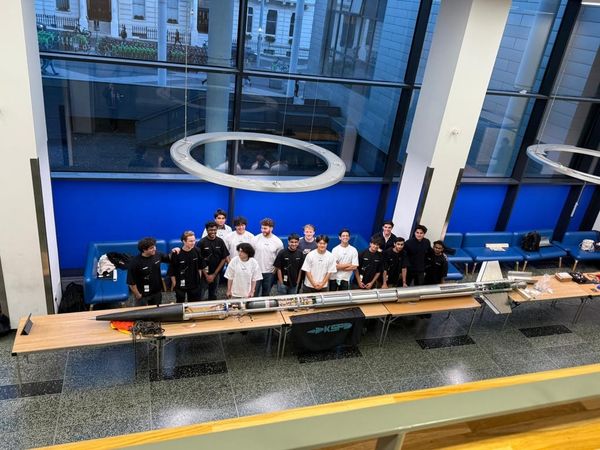
From ‘Rocket Boys’ to Karman
Imperial-based team prepares to break altitude record for liquid bipropellant rockets.

Imperial-based team prepares to break altitude record for liquid bipropellant rockets.
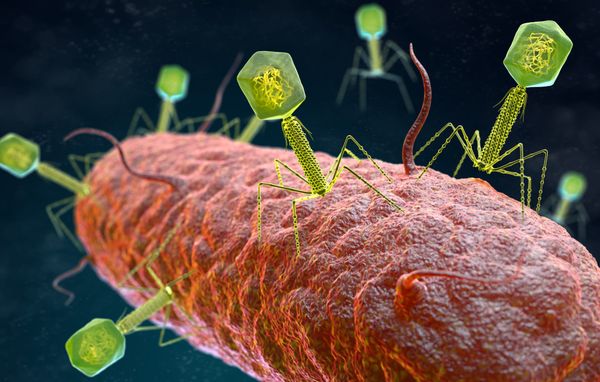
The Evo 2 project uses AI to develop a novel bacteriophage.
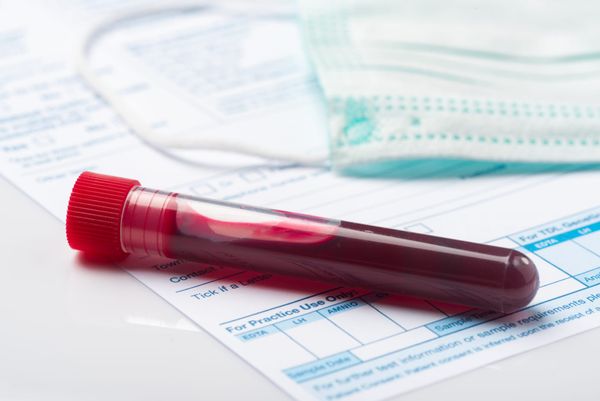
In a proof-of-concept study, researchers at Imperial have tested VeloCD, a bioinformatics-based method that successfully predicts illness progression and treatment efficacy using RNA markers in blood. Their research found that the test could accurately predict disease trajectories and future infection status in controlled human challenge studies for

With the rise of social media, the world is at our fingertips. With one swipe, you can see footage from anywhere, at any time, and for the first time in history, endless amounts of information and entertainment are readily available to us. However, as we all know, one swipe can

How do Imperial students and researchers at different stages of their career view and explore immunology?
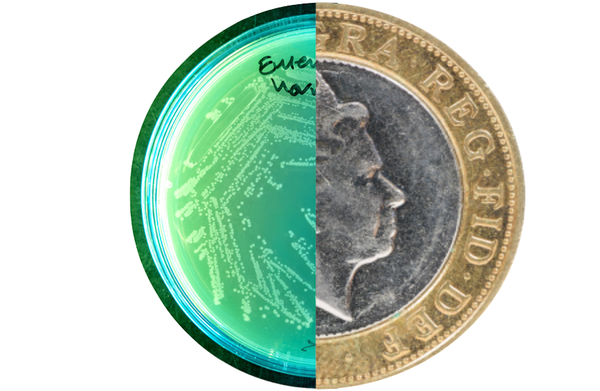
As students at a university that has long prided itself in its research and innovation, it is inevitable to ask ourselves throughout our degree how exciting breakthroughs materialise into products on the market. The business component of discovery is therefore paramount to its success, which Imperial reflects in its STEMB
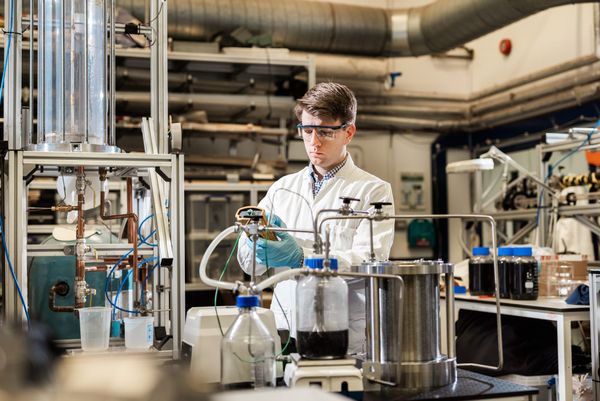
Imperial spinout 2D Nano is developing novel and sustainable ways to manufacture advanced materials.
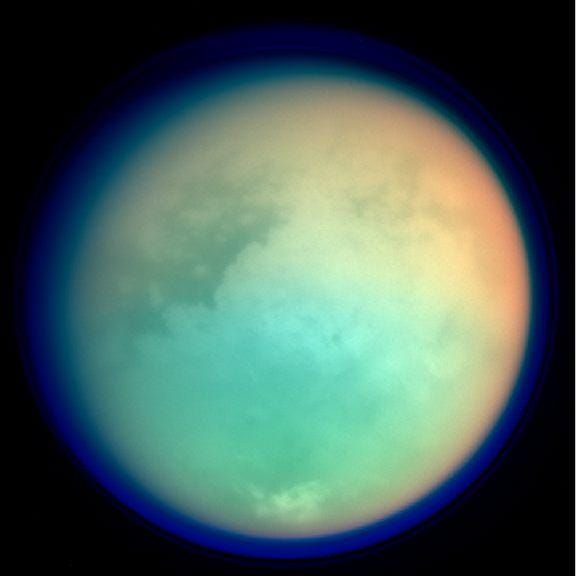
Dr Michele Dougherty on the icy moons of Jupiter and Saturn.
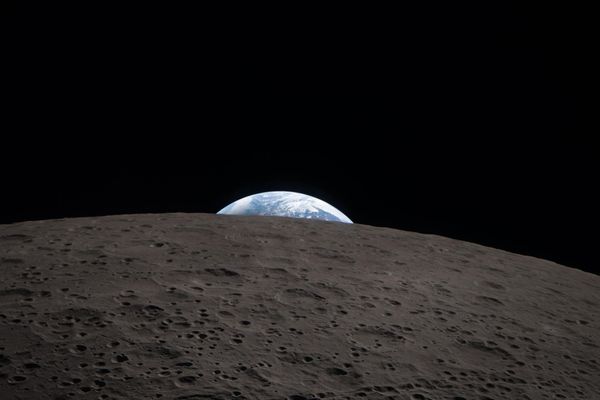
NASA’s Artemis program successfully conducted its second mission, a crewed lunar flyby, from 1st to 11th April – a monumental technical achievement sending humans further than we have ever been from planet Earth. Each crew member respectively made history by expanding representation in historic space exploration, with the oldest person
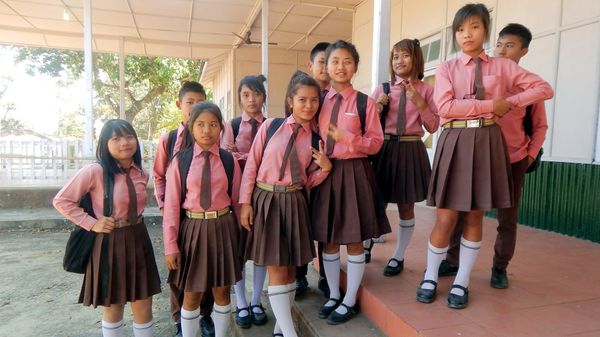
Imperial joins partners across India and the UK to adapt Wysa’s digital mental health platform to adolescent girls in low to middle income communities.

Imperial neurotech spinout MintNeuro is creating specialised microchips that enable next-generation treatments for neurological conditions.
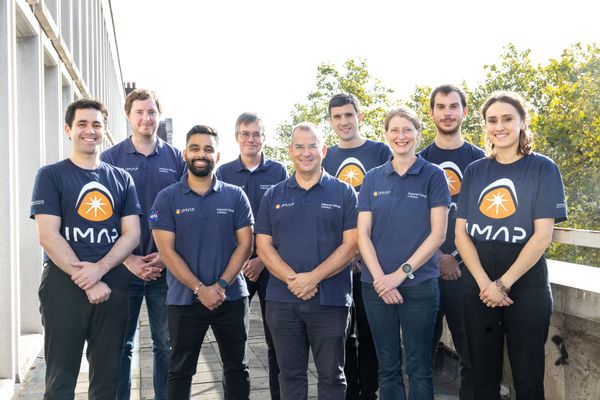
The journeys behind the Imperial team that produced NASA’s IMAP magnetometer, now probing a million miles from Earth.