King Colin proves speech is no impediment
As an actor, Firth is given the entire film to show off and takes advantage of every single moment
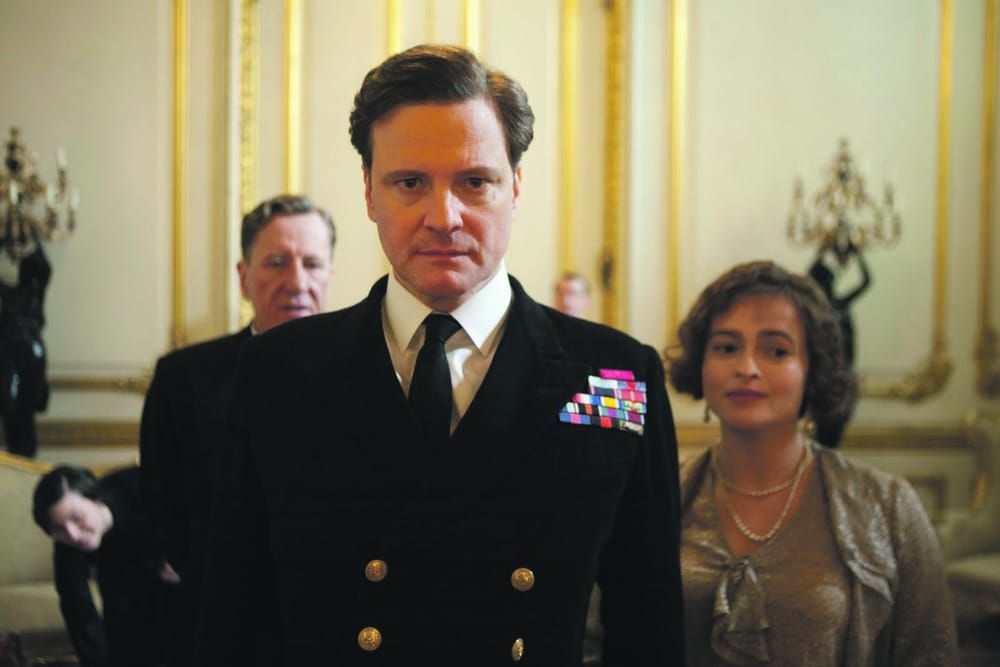
When one is King, one cannot afford to do a lot of things. For example it will be frowned upon if one is interested in marrying an American (shock horror) twice-divorced woman in a time of conservative, proper ideals. Caught up in this scandal, King Edward VIII (Guy Pearce), decides to follow his heart and abdicate the throne, leaving the crown to fall on his brother’s head, George (Colin Firth), or Bertie, as he’s known to his family. But this is not going to be a smooth transition either, for George has difficulties of his own; he stammers and is incapable of public speaking. Yet another thing one cannot afford to do when one wishes to be King. After an embarrassing public incident, he is seen by a myriad of speech therapists and what ensues is a hilarious My Fair Lady-like routine where Bertie is required to put seven marbles in his mouth to speak – apparently helping him to pronounce correctly. Also, he is advised to smoke – because it “relaxes” the lungs.
Bertie tries hard, but nothing seems to work – his wife Elizabeth (Helena Bonham Carter) supports her husband no matter what in the most dignified, sweet manner but she is also of course worried for the days ahead. It is not until hope arrives – in the form of an Australian speech therapist Lionel Logue (Geoffrey Rush) with unorthodox and controversial teaching methods – that the film really hits its stride. What then develops between Firth and Rush is one of the best on-screen bromance pairs in recent years between the two unlikeliest people: a tongue-tied, nervous, upper-class King, and a confident, eccentric speech therapist. The film reaches its climax as Bertie is faced with the ultimate challenge – Hitler invading Poland – and England looks to unite behind a strong and inspirational figurehead. As the pressure starts to build, the role of the speech therapist becomes more crucial, as Bertie begins to rely on Logue more.
It’s a moving, albeit predictable, story of human triumph: the film’s events have been carefully orchestrated to act as a build-up to the speech that Bertie will inevitably have to deliver. When it counts, the film can easily convey the stirring impact it was supposed to bring in the grand finale. It finishes as a feel-good film but remains upbeat throughout, focusing on the fun and somewhat unnatural relationship between Firth and Rush. The smart screenplay that turns a historical sequence of events into an appealing mix of drama and outstanding humour keeps things fresh and easy to fully enjoy and comprehend.
As an actor, Firth is given the entire film to show off and takes advantage of every single moment. With such a verbally incompetent character to portray, Firth still manages to convey a range of emotions without words, commanding the screen with his masterful portrayal. Rush’s character is not overlooked here either, depicting a failed actor who, using his self-assured methods and peculiar charm, helps people to speak. He is delightfully odd and comically patronising but when it counts, a loyal friend. The warmth the two actors share is touching stuff, even without the help of a big orchestral score.
In a similar vein to The Queen, which saw Helen Mirren’s performances winning rave reviews and virtually every single acting award in existence, The King’s Speech is a film that is more concerned about the performances of its actors and its period mood. Glory and high praise has already started to be heaped onto to Firth, tipped by some to be the film that’ll win Firth his first Oscar, but the film itself is not groundbreaking. It’s a rousing, heart-warming period drama – one of the most skillfully executed one of its kind – but it’s truly the performances that steal the show.