
This is a safe space: “Talking benches” installed across South Kensington campus
The benches aim to provide a no judgement zone to encourage spontaneous conversation.

The benches aim to provide a no judgement zone to encourage spontaneous conversation.

The Math department has postponed its move to introduce hot desking in Huxley offices, which was due 26 October, after student feedback. Hot desking (unassigned desks organised in an ad hoc, reservation basis) has been a topic of discussion for the Maths PhD students for the past academic year, an
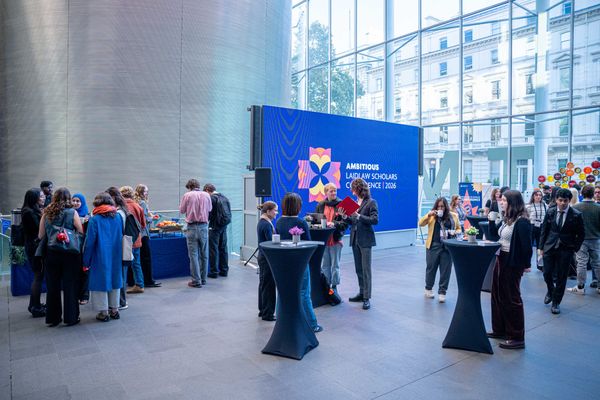
Student scholars from universities around the world gather in weekend-long conference to share their research and look ahead.
Earlier this month, Turnitin proposed changes to their End User Licence Agreement (EULA) that would have involved the use of student submissions to improve or develop AI tools. These were postponed after the wider Higher Education sector showed concerns regarding the privacy of student data and the potential use of

NVIDIA, leader in chipmaking and the world’s most valuable company, announced 15 October a donation of $250 million in computing power towards research in AI safety. The donation is in the form of $50 million of computing power for the next five years, accessed through U.K.-based NVIDIA
The speech took place at Imperial’s Base One, at a time where fears over AI system control grow.
The College signed a memorandum of Understanding with Indian energy giant Tata Power on 25 September, building a long-term partnership that follows from previous collaborations in research. Who is Tata Power? Part of the Tata Group, it is one of India’s largest integrated power companies, spanning generation to
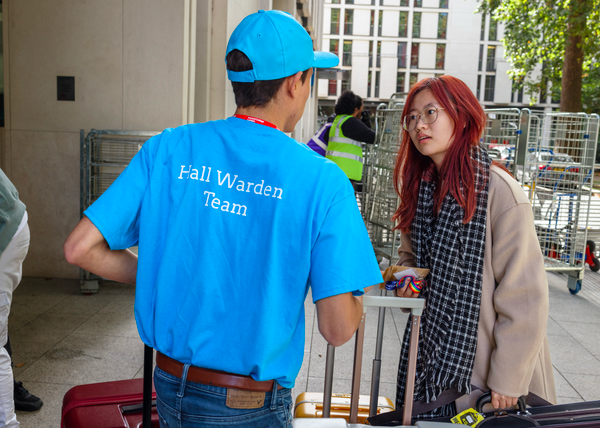
Imperial is set to halve the number of Wardens in its halls of residence and remove Assistant Warden roles altogether, replacing them with a centrally based team of professional out-of-hours staff. Warden roles are performed by volunteer staff members, not students. The proposal, put to the Education and
A conversation with Underrepresented Student Opportunities Fund staff reveals why funding models can, and sometimes should, allow for underspending.
From Letterboxd to Goodreads, a lot of us go to sites where others express their opinions to figure out what is worth our time based off our taste and needs. This is no different for researchers, where a common challenge is finding articles whose arguments are pertinent to their investigation.
MintNeuro, an Imperial spinout developing semiconductor chips designed to work inside the human body, has raised $5 million from European and US investors. The round, announced 7 October, was led by Odyssey Ventures. The company grew out of the Next Generation Neural Interfaces Lab in the Department of Electrical and
Imperial students can apply for a share of £10,000 in funding through the Santander Brighter Futures Grants, part of the university’s partnership with the bank. Ten students will each receive £1,000. Applicants are not required to bank with Santander to receive the grant. The money is unrestricted.