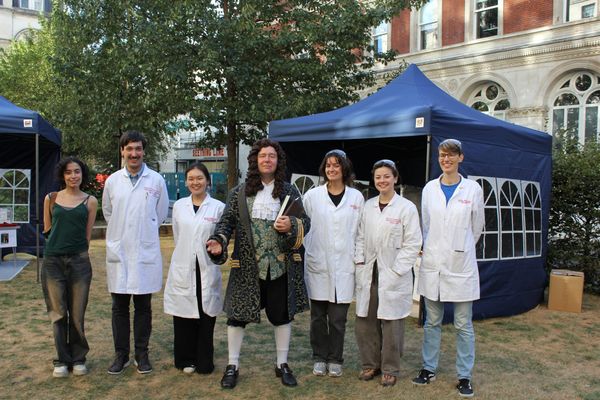
Hazelab puts on fiery display for the public
Research group demonstrates the science behind the Great Fire of London

Research group demonstrates the science behind the Great Fire of London

OpenAI publishes a solution to the Navier-Stokes equations.

The medal recognises the teams’ contributions in supporting women entrepreneurs at Imperial.
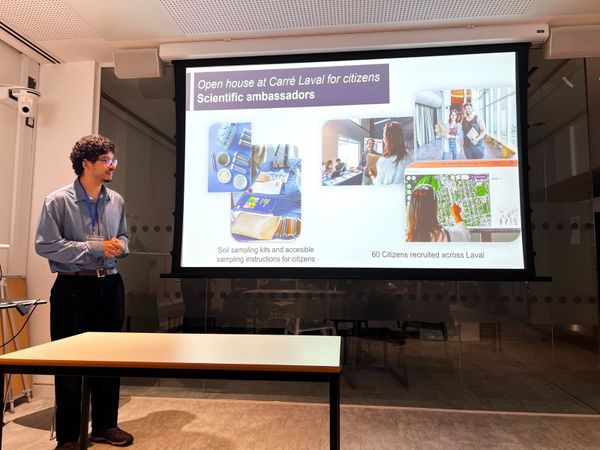
Probiotic Cites Symposium II discusses: does the microbiome hold the key to combating climate change in cities?
The Imperial iGEM 2026 team, reGelerate, is preparing to compete in the International Genetically Engineered Machine (iGEM), the world’s largest annual synthetic biology contest. Bringing together interdisciplinary student teams from across the globe, iGEM challenges participants to develop innovative research projects that address real-world issues in areas such

Competing for a share of £30,000 worth of funding, the five finalists for the WE Innovate pre-accelerator program represent the best of tech enterprise from across the UK, narrowed down from over 200 applicants. The final five included start-ups from across Imperial business community, including biotech, e-

A fortnight ago, South Kensington campus and surroundings became a riot of colour, crowds, and scientific communication. 57,000 people attended the Great Exhibition Road festival, which ran on the 19th and 20th of June, marking 175 years since the Great Exhibition in 1851. The festival is subdivided into ‘zones’

Understanding the recent MV Hondius outbreak reveals how viruses can adapt to new hosts.
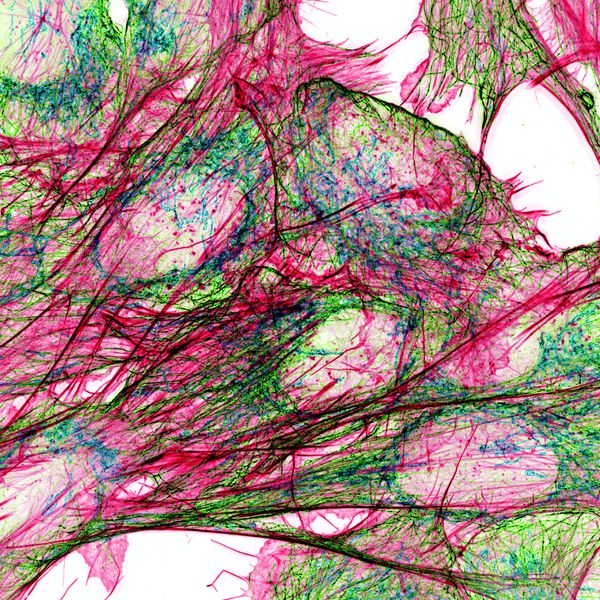
A team of researchers at Imperial believes that a breathalyser-style test could help detect pancreatic cancer earlier.
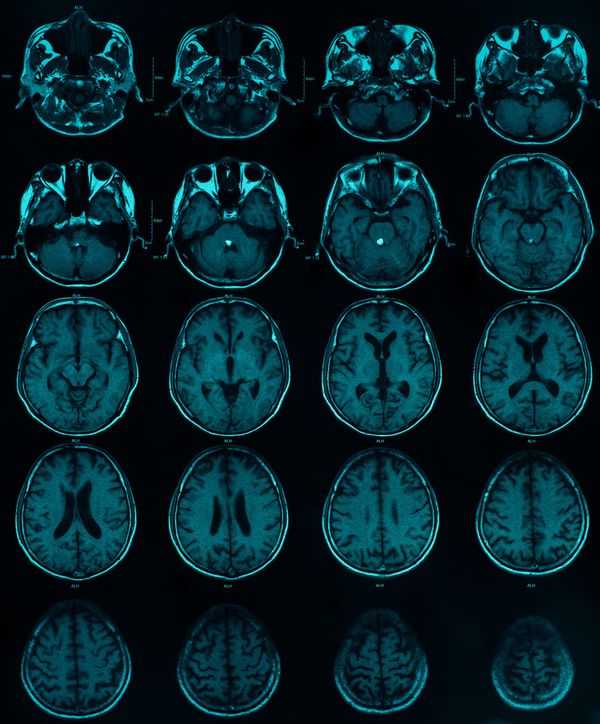
We can’t, obviously: the ethical concerns place this firmly in dystopian science fiction territory. Yet, the Yale spinout startup Bexorg is offering something very close. The team created a proprietary system which takes brains removed from deceased people who choose to donate their bodies to science and connect them
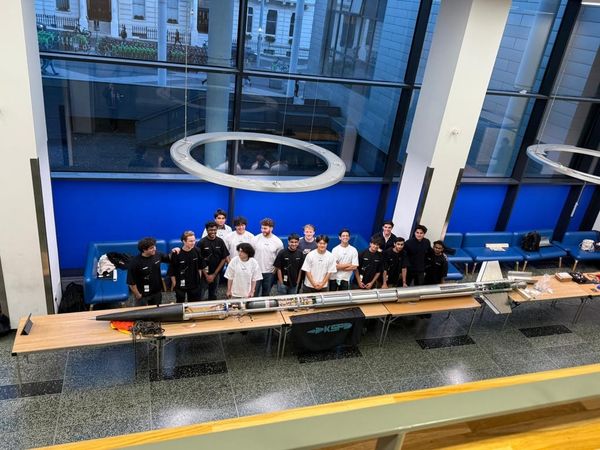
Imperial-based team prepares to break altitude record for liquid bipropellant rockets.
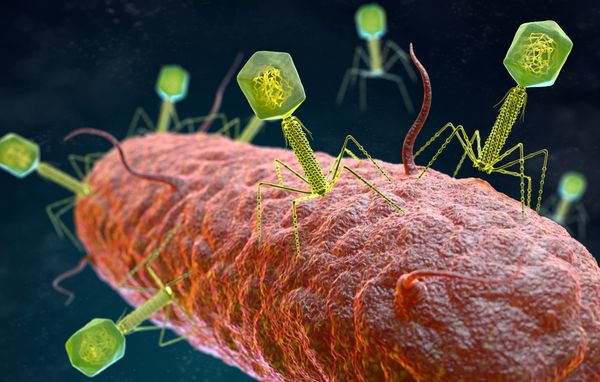
The Evo 2 project uses AI to develop a novel bacteriophage.