What does sustainability mean for young professionals?
An Imperial alum's perspective on how we should apply sustainability to our careers.
The neoliberalisation of nature is an ideology that considers biodiversity and ecosystems as assets that can be priced, traded, and privately managed. It uses markets rather than public protection to mitigate the biodiversity crisis. Increasingly, this approach is being applied to climate and nature policy. For example, in July, the
An image you may or may not have seen: a smiling young woman holding a plate of raw, bloody meat up to the camera. If you haven’t seen this particular phenomenon, then I envy you because for some reason these women have cropped up all over my social media
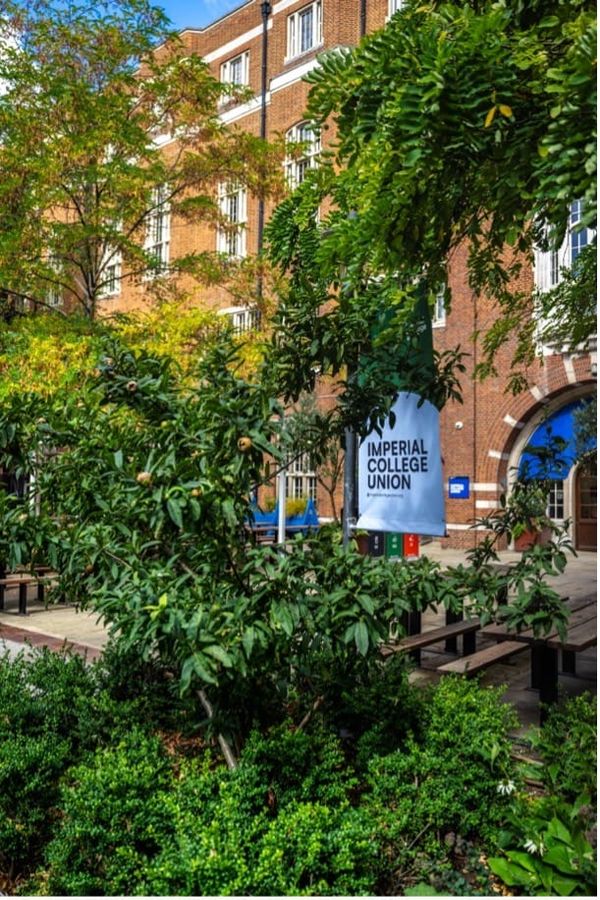
RE:GEN, a student-run campaign that aims to improve green spaces at Imperial, has proved a real success through its renovation of the Chaplaincy Gardens. Emilio Garcia Padron, a former part-time master’s student at Imperial, pursued this interest by growing RE:GEN with support from Nico Henry, who is
On the ethics of cloning for conservation.
The carbon major's advertising around its commitment to the energy transition and net zero target was found to be illegal as they continue to expand oil and gas production.
Deep in the Amazon basin, thousands of years ago, Indigenous peoples discovered something remarkable. Their cooking fires, burning low and steady, mixed with refuse, bone, pottery shards, manure, and organic waste created something almost alchemical. Called terra preta, “black dirt” in Portuguese, these soils, which store massive amounts of carbon,
Imperial uses its Zero Index to assess which fossil fuel companies it should maintain research partnerships with. In the most recent round of assessments, the University approved BP, Equinor, ExxonMobil, Petronas, Shell, TotalEnergies, and Woodside Energy. Felix has been reaching out to the staff and students who worked on the
Imperial Climate Action compiled a database of ties between fossil fuel companies and the College
Between 2000 and 2013, the market for rhino horn grew 30-fold as prices skyrocketed. Prices peaked at $65,000 per kg in 2012, surpassing gold and cocaine in value. In 2015, we witnessed a whopping 1349 rhinos killed in a single year, the highest number on record, and, in the
Despite decades denying science, Imperial’s new analysis finds giant fossil fuel companies are genuinely committed to net zero and wants to help.
At 900 tonnes each year, almost half of South Kensington campus’ waste is ‘general waste’. This waste stream is collected daily and taken by lorry to an energy from waste (EfW) plant in Southwark where it is incinerated. Although the energy from burning this waste is returned to the grid,