Hummus!
How to make home-made hummus
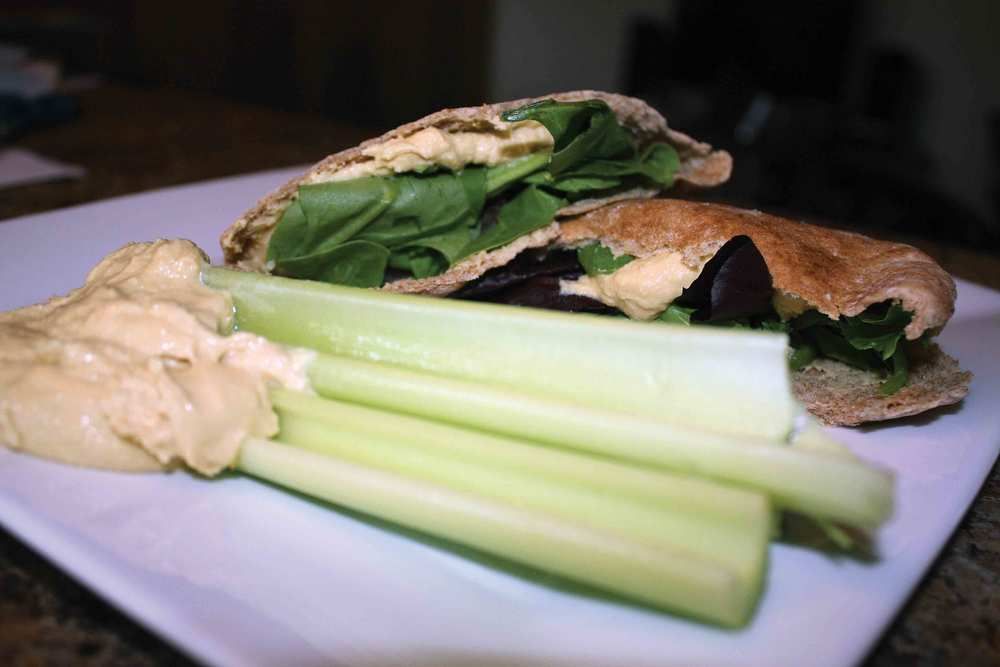
The humble chickpea makes up one of the most delicious things in the world – hummus. There’s just something about it that’s good for the soul, especially when it’s my favourite home-made recipe (as featured below), not the pseudo-hummus stuff you find parading about the supermarket. This Middle Eastern delight has a certain je ne sais quoi about it that undeniably puts you in a ‘FREE HUGS’ sort of mood.
It just so happens that there’s a bit of science behind this: hummus is pretty much the new Prozac. Chickpeas are high in tryptophan, an amino acid which is a vital building block of the neurotransmitter serotonin (aka 5-hydroxytryptamine). Modern biochemistry and psychiatry show a strong correlation between lack of serotonin and mood disorders such as anxiety and depression. Nowadays, the lack of serotonin is treated with SSRIs (Selective Serotonin Reuptake Inhibitors), all the big names in the anti-depressant market like Prozac, Seroxat and Cipralex which work by increasing the amount of serotonin in the brain. A tryptophan-rich diet has a similar effect, and quelle surprise! – the chickpea species has the highest tryptophan content of its genus. Nutritionally, hummus is also a bit of a diamond. It’s full of fatty acids like Omega-3, lots of important minerals and is high in protein and complex carbohydrates. Plus the Glycemic Index of hummus is really low so it keeps you fuller for longer.
This Middle Eastern delight has a certain je ne sais quoi about it that undeniably puts you in a ‘FREE HUGS’ sort of mood
If you’ve not tried home-made hummus before, I guarantee it will change your life. I found a delightful little statistic claiming the average Israeli eats 10kg of hummus a year – impressive, sure, but I hope to beat that. Now I know the whole hummus process below looks pretty arduous but you’re actually looking at about max. 20 minutes work, mainly changing the water a couple of times and playing with a blender.
You will need
- 1 cup of dried chickpeas (never, ever use tinned chickpeas – they are completely devastating in terms of the flavour and nutritional value of your hummus – and make sure you buy the smallest dried ones you can find, I recommend any of the many grocers’ on North End Road, the type you want is called ‘desi’)
- 1/2 cup tahini (this is sesame seed paste)
- the juice of 1 squeezed lemon
- 1 or 2 garlic cloves (depending on your personal taste)
- 1/2 teaspoon cumin
- 1 tablespoon + 1/8 teaspoon baking soda (if you don’t use this your chickpeas will never soften)
- salt
Now let’s make some hummus!
1 – Wash the dried chickpeas until the water runs clear. Soak overnight in clean water with a tablespoon of baking soda. The following day wash them and soak again in fresh water for a couple more hours. At this point the grains should have absorbed most of the water and doubled in volume.
2 – Wash the chickpeas thoroughly and place in a large saucepan. Cover with water, add an 1/8 of a teaspoon of baking soda and NO salt. Simmer for an hour or so, and switch the water half-way through cooking. Remove the peels and foam which float to the surface. Your chickpeas should now be very easily smushed between two fingers. Sieve the grains and reserve the cooking water.
3 – Put the chickpeas into a food processor and whiz them up. Leave them to chill in the fridge.
4 – Add the remaining ingredients and whiz again until you get the desired texture. If it’s looking a bit too thick, add some of the cooking water. Voila! Perfect hummus. I serve mine with a drizzle of good olive oil and some chopped parsley. Viva la hummus revolution!