Break-ins reported in EEE building
College urges vigilance after spate of thefts on campus
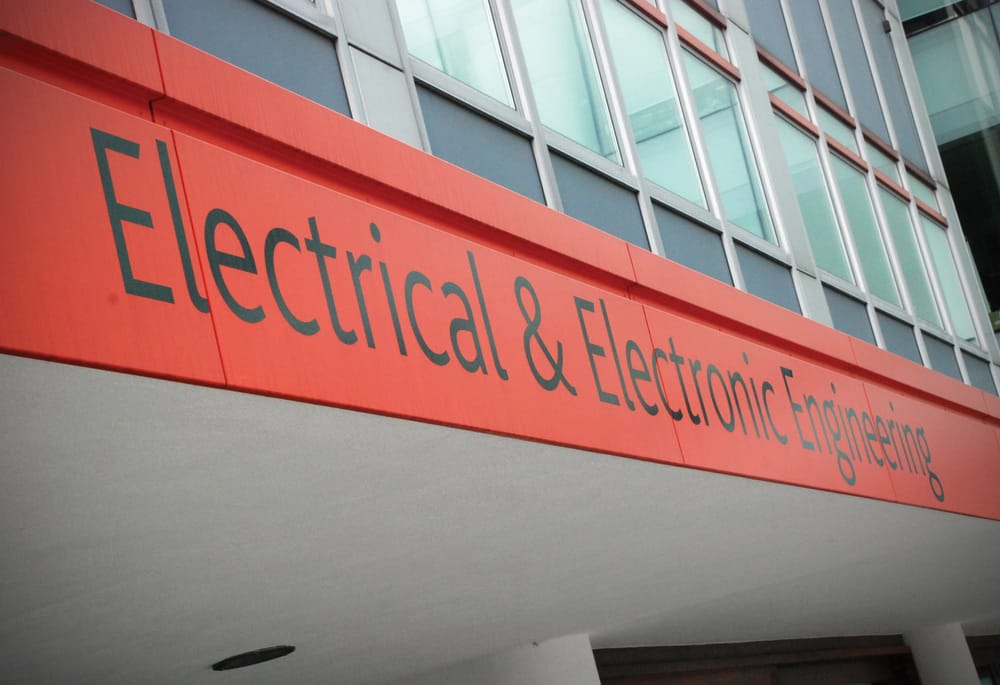
Lockers in the Electronic and Electrical Engineering (EEE) building were broken into on Tuesday night. The theft is the second in the building in as many weeks. The College is calling on students and staff to remain vigilant to reduce opportunities for “walk-in thieves”.
A laptop was stolen during the break-in, which occurred between 19:15 and 21:00. It is not yet clear whether the padlocks were broken off or unlocked, nor is it known if the thief was a member of the College or a member of the public. On the 24th of February, a similar incident occurred when a necklace was stolen from a locker.
College security is reviewing CCTV footage but, as the only camera is at the entrance of the EEE building, it is not yet known if this will yield any clues.
Nick Roalfe, Director of Facilities and Property Management, told Felix that Imperial had a considerably lower rate of crime than other universities. He added that they take all incidents of theft extremely seriously and investigate them accordingly. He urged students and staff to be aware of “opportunistic” thieves and to avoid being tailgated into buildings or swiping in strangers. He advised members of the College to be wary of leaving belongings unattended, adding that “individuals have a part to play” in ensuring security on campus.
College is investigating further steps to help improve security on campus, including the possibility of additional CCTV, and looking again at ensuring that there are appropriate locks on doors. Many buildings on campus only have CCTV at the entrances. Nick Roalfe admitted that some people would be opposed to increased surveillance within departments. In the case of persistent break-ins and thefts, however, he said that they would consider the use of “appropriate forms of surveillance”. This may include CCTV within buildings and, in rare cases, working with the police to install covert cameras. Similarly, if a situation arose where a number of computers were stolen, it is possible that they would work with the police to install tracking devices in one or more computers.
The incidents in the EEE building follow a spate of thefts in January and February. In an email sent on February 11th, Peter Schreiber, Building Manager for the Huxley, Blackett, Roderic Hill and Bone buildings, warned of a “rise in criminal activity” in the South Kensington area, revealing that laptops, iPods, cash and mobile phones had been stolen.