Those gorgeous Victorians
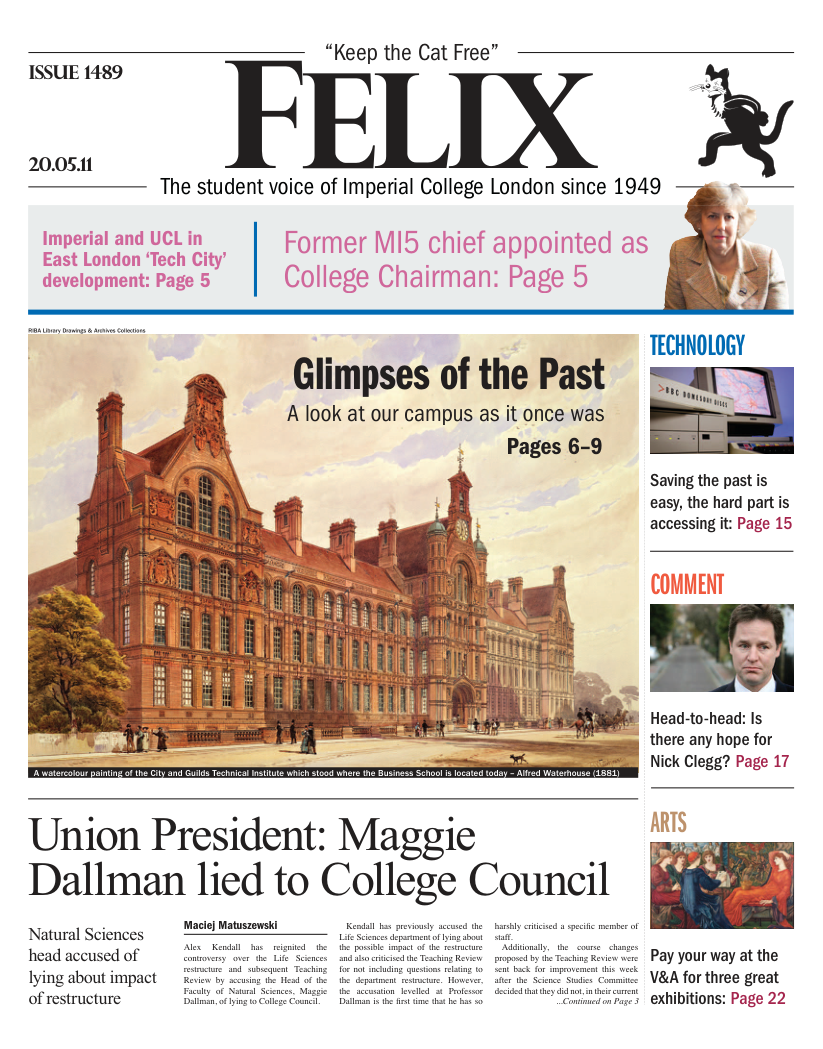
Drunk on the Aesthetic movement at The Cult Of Beauty. By Maisie Russ
Between 1860 and 1900, something extraordinary happened. A group of artists rebelled against the prevailing Victorian mood of the tiny but demure middle-class and unleashed upon Victorian England art for art’s sake, a movement which worshipped the sensuous and delightful, the Aesthetic movement (1860-1900).
From its beginnings with Dante Gabriel Rosetti and the painters and writers he corralled, through the decadence of their portraiture, and the furniture and pottery made to fill the homes of wealthy aesthetes, through the weather of criticism and derision to the turn of the new century, this huge exhibition covers every detail thoroughly.
The gallery attempts to capture the lavish opulence of the Aesthetes with richly coloured lighting, recorded voices purring lines of prose and curly-typefaced notices, but you hardly need them. From the enormous oil-paintings to the reconstruction of fashionable rooms, fantastical furniture and sculpture, it is certainly a treasure trove.
Whether you enjoy the aesthetic of the aesthetes is another matter, although devoted apparently to the appreciation of beauty itself, these artists had concrete ideas about what that entailed, and it reminds a modern audience how our tastes have changed.
The air of languor which pervades the ideal throughout is weighty, in a rebellion against the modesty of buttoned-up society. It is amusing for this modern congregation to see the lifeless, mid-distance gaze of the muses which drove some of the artists to the height of obsession, until their laudanum-induced deaths. Not that all the portraiture follows Rosetti’s dopey, sultry models, for me a major highlight were Whistler’s gorgeously toned paintings which capture people in an ideal light, without losing their animation. Whistler’s etchings of London too are sweet representations of the city in delightful detail. Further on, you have the chance to see the ridiculous ‘historical’ dress and jewellery created for the newly luxurious aesthetic consumerists. There is room for Oscar Wilde and his illustrated stories, and the satirical cartoons which came hot on the heels of the fadish art-loving middle classes.
The fads are also well documented, from the blue and white pottery with which Wilde filled his student lodgings, to the Japanese obsessions coming from the opening of the closed state to the outside world. It is a heady mixture, and if not all the aesthetics are to one’s taste, there is at least the (dubious) consolation of the sheer amount to look at.
Coming out of the gallery feels like emerging from a stupor into the light of the real world which the dreaming artists of over a century ago tried so hard to hide from. The idolisation of leisure and inactivity is certainly a sentiment we can all appreciate to some extent.