Bike auction brings the money
More money raised for RAG
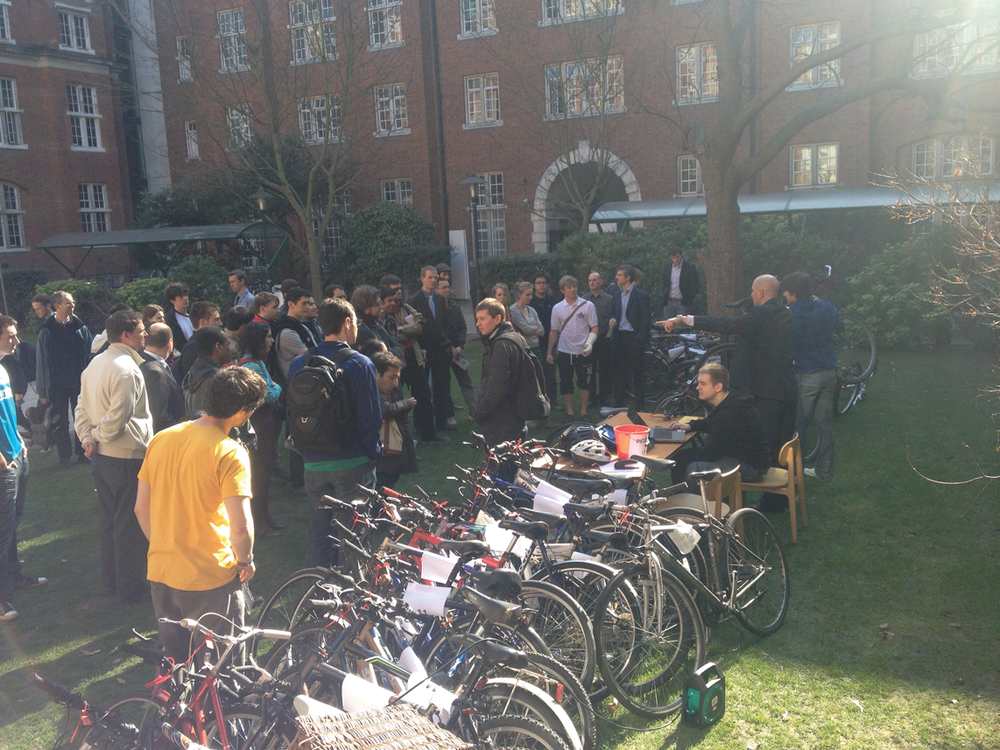
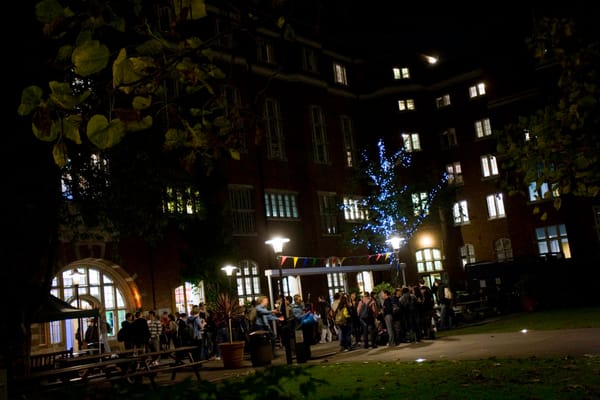
On Monday lunchtime, ICU RAG and the Bike User’s Group for the Imperial College Community (BUG) held this year’s second bike auction. Up for sale were 52 bikes varying from basic and run-down to high-end racing frames. Prices this time around were lower than October’s highly successful auction, in part due to lower numbers in attendance and also due to the variable bike quality.
Head of Sport Imperial Neil Mosley once again took on the role of auctioneer. BUG raised funds for their workshop (with plans currently in progress) and RAG raised money for charity.
The total raised from the bikes sold amounted to £1,100, with some rolling over to the next auction. This was a successful start to Cycling Week, and the Dr. Bike Mechanics on-site once again proved very useful to the students, both for bikes bought at auction and those from home, providing both repairs and professional and personal advice about the bikes and cycling.
Special thanks go to everyone who came along, Andy from Sport Imperial, Deputy President (Welfare) Nicolas Massie and College Security for all their help in securing the bikes, auctioning them off and assistance provided on the day, and Stef Piatek for organising everything.