Does anyone benefit from #sabblife?
The sabbs are a financial drain on college and an emotional drain on everyone around them
Sabbatical officers at every university are the same. They’re all self-important, egotistical, and narcissistic, with an inflated sense of the importance of their role. They enter this multi-generational circle-jerk of sabbs, stroking each other’s egos and sucking each other’s dicks, both literally and metaphorically.
Some of our sabbatical officers are great: they care about the students, and they manage to implement some changes during their year in the role. But let’s face it, most of them don’t. Most of them spend the year sitting in meetings they don’t contribute to, drinking in the union bar as early as they can possibly get away with, and building relationships with the rest of the Beit Quad Cartel, which ends up being a pool of people that they will fuck throughout the next few years until they fade into insignificance. And why is it that we pay them so much money to do this?
Having sabbatical officers is great, in theory. Having ‘students’ who engage with the mechanics of the Union and represent the interests of the student body is essential to its function. But the Union itself strangles this intention by preventing the sabbs from having any real power to make even slight changes to anything, while at the same time telling them constantly that they are all-important. What this means is that instead of actually helping students, they delude their smug selves into thinking that they’re making a difference when all they’re actually doing is adding to the incestuous links on the sabb sex map.
As students, we don’t really gain much from them apart from the incorrect, yet comforting idea that maybe someone might be looking out for our interests. Are the sabbs at least gaining anything from their year in power? Does being a sabbatical officer act as a training centre for the real world?
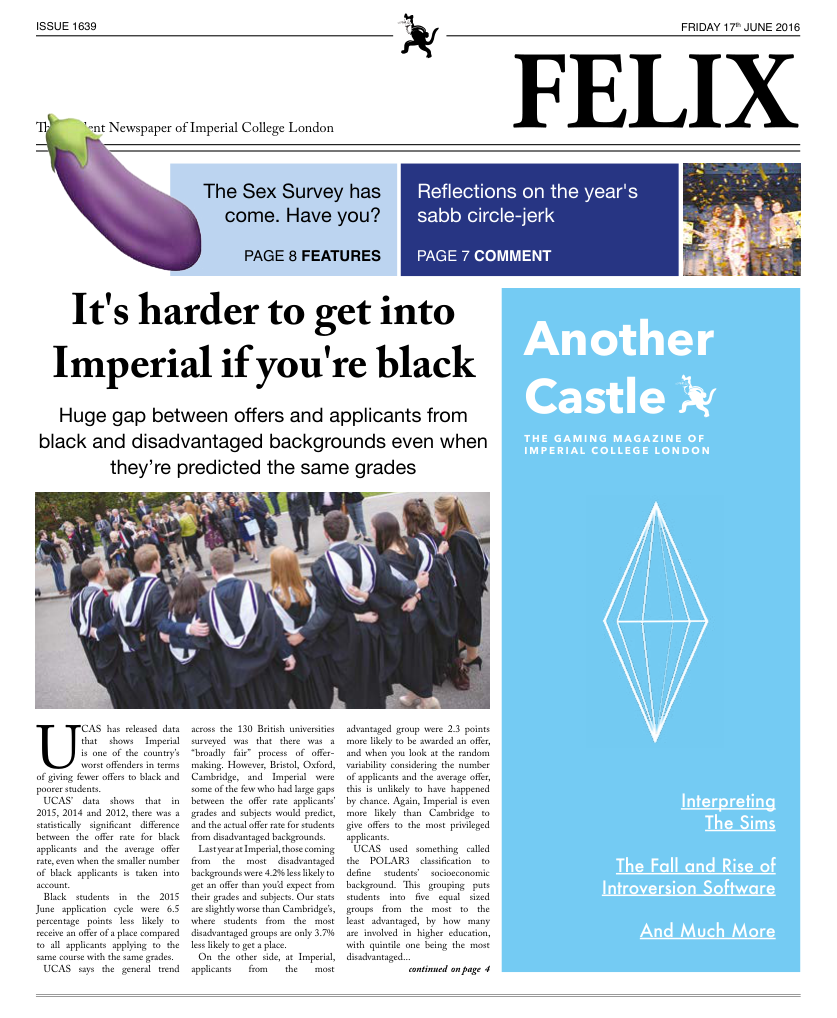
They enter this multi-generational circle-jerk of sabbs
Being a sabb looks great on your CV, for sure. You probably do gain some #transferableskills that will help you in a future workplace environment, although in this case, these are mostly 1) wearing suitable work attire instead of jeans and a ripped freebie t-shirt, 2) being able to show up to work at 9am even when you’re still drunk from the night before, and 3) being arrogant enough to assume that any contributions you make in this condition are worthwhile.
But beyond becoming entitled enough to think that this role makes them a better person, sabbs seem to suffer for their year. For many of them, their mental health goes downhill, their grades take a swift nosedive (if they are undertaking this year in the middle of their degree), and god only knows how many STIs are being passed back and forth as ex-sabbs shag in various permutations at every Union social event that they still feel the need to attend despite their long being old news.
As an entity spanning beyond their year of service, sabb culture is bleak. So many of them stay stuck in the Imperial College Union circle forever, because they can’t exist in the real world because there, no one cares what they’re doing.