Professor's arrest in Iran confirmed
Iranian officials confirmed this weekend that Professor Abbas Edalat has been detained in Iran.

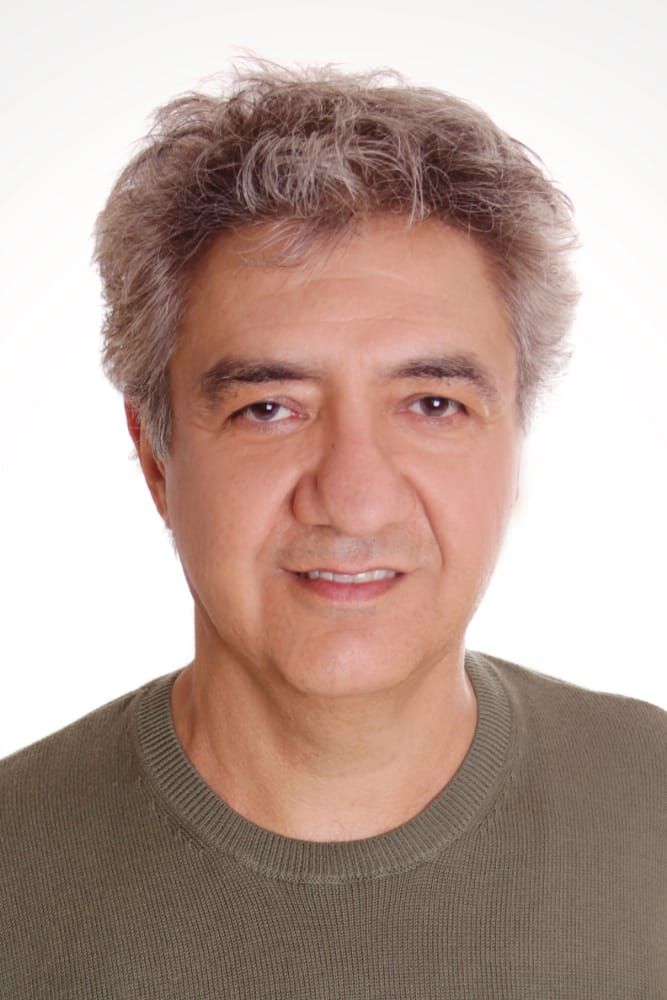
Professor Abbas Edalat, from Imperial College London’s Department of Computing, has been detained in Iran, the Iranian government has confirmed.
The news of Professor Edalat’s arrest, which was first reported by the Centre for Human Rights in Iran (CHRI), a US-based non-profit, was confirmed by the Iranian authorities over the weekend. It was the first time the country confirmed his detention.
Gholamhossein Mohesni Ejehi, a spokesperson for the Iranian judiciary, told reported in Tehran: “I confirm his arrest on security charges, but I am unable to give details.” The UK’s Foreign Office have said they are “urgently looking into” the arrest.
Fars, a news agency in Iran widely described as a ‘semi-official’ agency of the Iranian government, reported Professor Edalat was part of an “infiltration network affiliated with Britain.”
A spokesperson from Imperial College London described Professor Edalat as “a valued colleague…who has made many important academic contributions throughout his career.” They told Felix: “We are understandably concerned for his welfare following reports of his arrest in Iran, and we are urgently seeking further information.”