Imperial CDT Science festival: Science and Ethics
The festival comes to Imperial soon!
The synergy between Science and Ethics is pervasive in our society. Scientific advances and technological developments are shaping the future of our life, and society as a whole. Imperial will be holding their annual CDT Science Festival, which this year aims to explore and understand how scientific research integrates with ethical values by analysing emerging frontiers, their social impacts, and possible implications. We are glad to introduce students, researchers, and professionals from other fields to a variety of debated topics with valuable insights from a pool of experts in the field. The discussions will provide a stimulating ground to address the curiosity and common concerns of the audience – since science and ethics are two faces of the same coin.
To better connect the audience with experts, a series of talks on sustainable innovation, climate science, artificial intelligence, genome editing, and quantum technologies will take place.
Would future advances in genome editing constitute the ultimate frontier for personalised healthcare? Could surgical interventions be fully replaced by a new generation of genetic pharmaceuticals, without compromising our identity as species? How will we make complex decisions in more general critical scenarios with (un)clear conflicting goals? How can we possibly leverage technology whilst preserving our values? The questions are endless …
At the CDT Science Festival, we want to offer the exciting opportunity to answer these open questions, understand the related implications, and argue about possible side-effects each research area projects into our own lives.
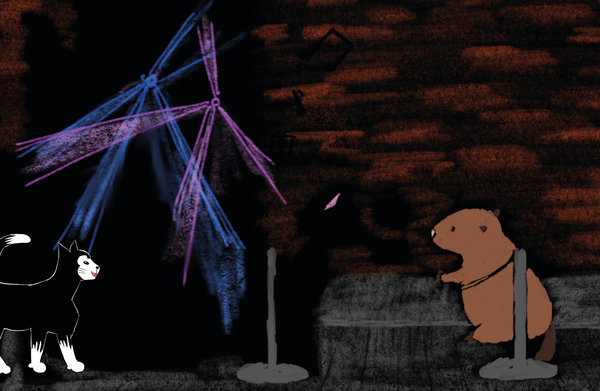
Talks and discussions will be accompanied by Pandemic, an interactive movie that allows visitors from the audience to experience a series of real-life ethical case questions.
Students and young researchers are invited to submit posters for the one-day pop-up ‘Sustainable Innovation Exhibition’, to showcase the ethical implications of their scientific research. Submissions are now open at http://www.cdtfestival.co.uk/.
A further competition will award the best poster addressing the following questions: what are the implications of our research? What are the values involved in the decision-making process? How can we steer our research and developments towards respecting and enhancing common values? How can we reduce disparity? And how can we improve justice, welfare, and equality in our society?
The proposed posters should consider the impact of current innovations, and should suggest a constructive scientific progress sustainable for society. Rather than focusing on the technical and technological advance per se, we would emphasise the advantages and possible downsides regarding their use in scenarios with conflicting goals.
Save the date: Monday July 9th 2018, for the CDT Science Festival and the associated exhibitions at: Imperial College London – Queen’s Tower Rooms.
We look forward to welcoming you!