Eraserhead (1977)
A David Lynch feature: Xiu Xiu Eraserhead concert
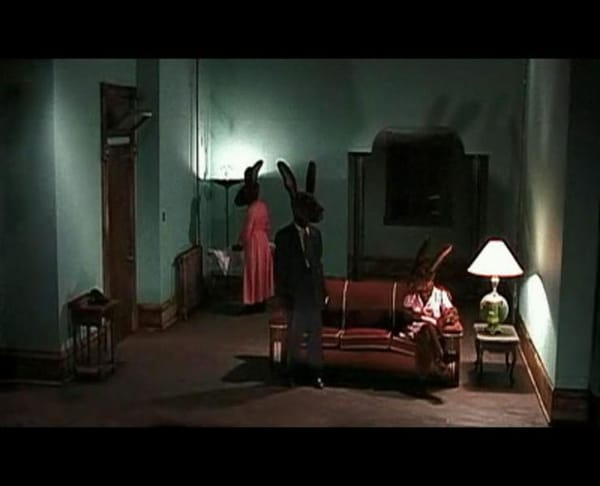
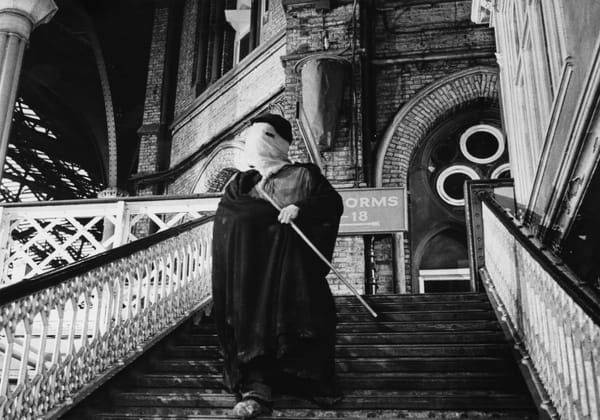
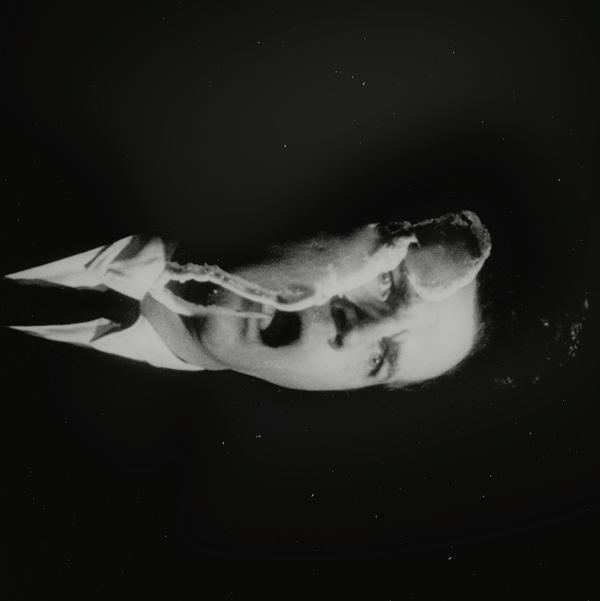
Renowned film critic, Roger Ebert, once described Lynch as a filmmaker driven by “self-doubt and cynicism,” someone who believes the worst of his audience and creates from a place of despair. And that cynicism permeates David Lynch’s first feature film, Eraserhead. Shot in moody black-and-white, with droning noises in the background, it was heavily inspired by German Expressionism. The protagonist, Henry, appears trapped in a life he never chose, paralysed by expectations of adulthood – all of which feel less like milestones and more like threats. From a long exhausting walk home from work to an awkward interaction with the neighbour, from the first dinner with his partner’s family to unexpectedly becoming a father, to a baby that resembles a wailing tapeworm, Eraserhead explores various moments of unease in Henry’s life.

Many viewers feel an enduring temptation to logically decode Eraserhead, to treat it as a puzzle with a single solution. However, the film resists such reduction and keeps its meaning elusive. Lynch himself has always resisted straightforward interpretation but has hinted that it emerged from his own fears surrounding fatherhood, and that anxiety pulses through every frame.
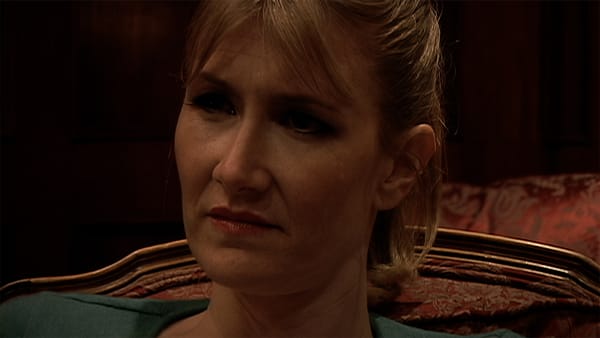
Perhaps the most unsettling embodiment of this fear appears in the Lady in the Radiator. She emerges in a midnight scene, her face stretched into an uncanny smile: “In heaven, everything is fine” she sings softly. To Henry, the promise of heaven becomes less a spiritual comfort and more an invitation to escape, to leave behind the unbearable weight of living.
Eraserhead and the Birth of the Midnight Movie
Midnight movie culture has always been a refuge for works that defy easy categorisation. These screenings are sanctuaries for films that are too unsettling, too slow, or too honest for the daylight hours. Initially struggling to find an audience after its 1977 release, the film gained its reputation through these midnight screenings. Here, Eraserhead found viewers willing to submit themselves to discomfort, confusion, and other surrealist elements.
The communal experience of these midnight screenings was vital. In the darkness, strangers found solidarity, drawn together by the need to confront fears that are often too private to name.
In the darkness, strangers found solidarity.
This context is significant because Eraserhead is less a film to be passively watched and more an experience to be endured and contemplated. Midnight movie culture enabled the film to operate as an immersive event, transforming Lynch’s personal anxieties into a shared emotional journey. In doing so, Eraserhead helped redefine midnight cinema as a realm where challenging and unconventional art could be engaged with on its own uncompromising terms.
Xiu Xiu’s sonic exploration of Eraserhead
With long moments of silence, intermittent noises of machinery and sudden distressing dialogues from the characters, the film used various abrasive sounds to steadily build anxiety in the viewers.
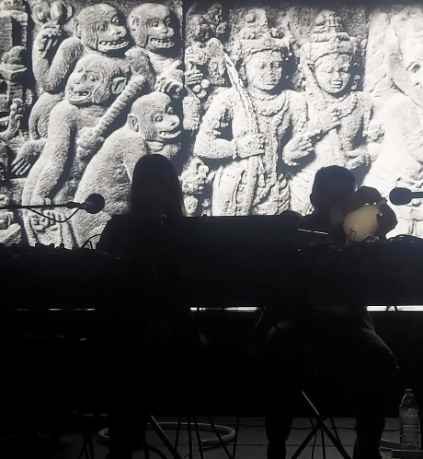
Presented as a live concert with accompanying film at the Institute of Contemporary Arts, the American experimental rock band, Xiu Xiu decided to crawl right inside Lynch’s fever dream and redecorate it. The performance was not just a conventional tribute, but an attempt to step inside the sonic and visual universe of Eraserhead, to stretch it outward until it became something unstable and new. On 7th February, I had the privilege to experience it from the front row with no barricade or buffer, practically leaning on the stage for support and feeling the vibrations creep in my skin.
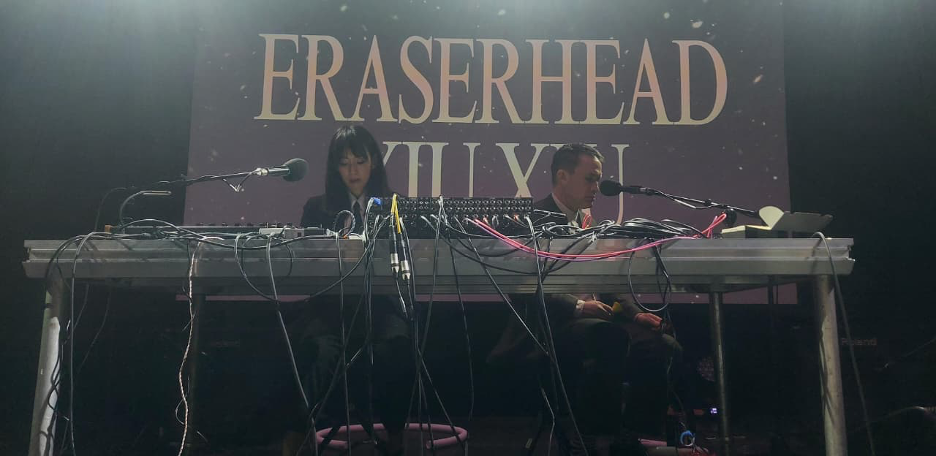
Inspired by the original sound design and score by Alan Splet and David Lynch, Xiu Xiu treated the film as a set of “guide wires” rather than a fixed object. The performance leaned heavily into the film’s bizarre emotionality: its conflicted sexuality, relentless darkness, and sense of existing on an alien, industrial moonscape. Field recordings, concert-specific homemade instruments (electric coffee whisk, long ducts, a hand crank and balloons to name a few), organ, modular synths, handbells, vocals, flashlights, electrical interference, and elements of musique concrète formed the backbone of the performance. Jamie Stewart’s agonising rendition of “In my Heaven” felt rather tragic, much unlike the film version of the song.
The visuals in the backdrop did not function as a straightforward screening of the film. Instead, the original footage gave birth to Xiu Xiu’s own visual lens: imagined, unused, auxiliary fragments that reframed the familiar imagery. It encompassed a wide spectrum of common objects that evoke disgust and peculiar images, including those of chickens roaming in a field, intimate bedroom interiors, poker faces, and sculptures of mythical creatures carved on ancient Chola temples. Like the film, the performance was intense, odd, curious, and thoroughly shrouded in gloom. It offered little narrative clarity and emotional relief. Instead, it embraced discomfort as a legitimate artistic state. In doing so, Xiu Xiu tastefully proved that the film’s atmosphere of dread and alienation remains fertile ground for contemporary expression.