Science

First Science Nobel Prizes are in!

The Nobel Prize in Physiology or Medicine, and the Nobel Prize for Physics, have each been awarded!

At the time of editing, the Nobel Prize in Physiology or Medicine, and the Nobel Prize for Physics, have each been awarded.

Beginning with Medicine, the winners of the prize go to Professors Katalin Kariko and Drew Weissman. The pair share the prize for their work into developing the technology behind the mRNA Covid vaccines. The same mRNA technology is now being researched for other diseases, including cancer.

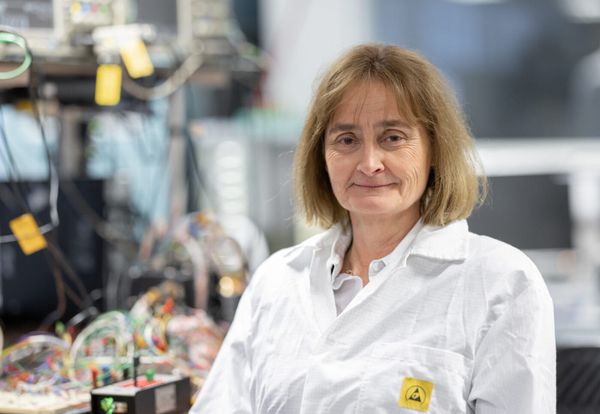
Now for Physics, this year’s recipients - Pierre Agostini, Ferenc Krausz and Anne L’Huillier - have been awarded the prize for their work in Attosecond physics. The three laureates’ experiments produced “pulses of light so short that they are measured in attoseconds”. An attosecond is equal to one quintillionth (10-18) of a second. This work demonstrated that these almost unimaginably short pulses - like an ultra-high-speed shutter - could be used to study how electrons behave.
From Issue 1828

6th Oct 2023

Discover stories from this section and more in the list of contents

Explore the edition

Read more

Environment

College Fossil Fuel partners explore options in Venezuela

Since the removal of Venezuela’s autocratic leader, Nicolas Maduro, by an American task force in January, President Donald Trump has vociferously called for oil companies to rekindle their commercial ties with the embattled petrostate. Although many have been reluctant to “take the oil”, baulking at high upfront investments to

By Guillaume Felix
Lobbying by Stove Industry undermines Council Public Health Campaigns and Housing Plans

Environment

Lobbying by Stove Industry undermines Council Public Health Campaigns and Housing Plans

An investigation published by The BMJ in March reveals councils in England face legal pressure from the Stove Industry Association (SIA) as public health campaigns urge homeowners to limit the use of wood-burners. Findings from freedom of information requests, sent to local authority areas identified as having the highest density

By Ushika Kidd