I Heard the TV Glow
Packed with household indie names, the soundtrack to Jane Schoenbrun’s I Saw the TV Glow is an effective and beautiful accompaniment to the film.
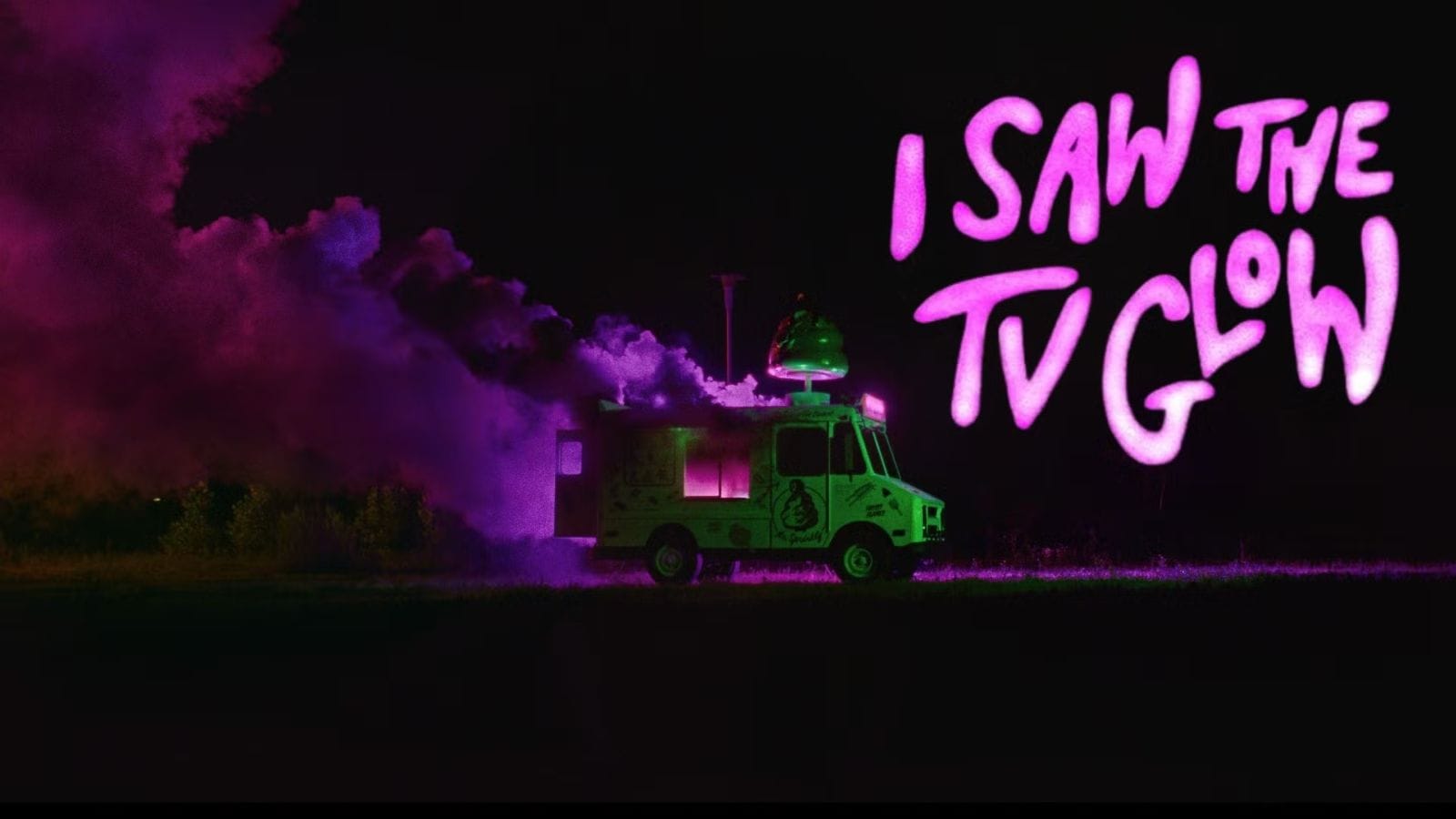
With Jane Schoenbrun’s latest film Teenage Sex and Death at Camp Miasma having just released in August, now is as good a time as any to revisit (or experience for the first time) its predecessor I Saw the TV Glow and get in on the very justified hype surrounding their work. I was very late to the party, having only properly experienced the film a couple of weeks ago, but it hasn’t left my mind for a moment since. Putting this film on late at night, sleeping over at a friend’s place, hunched over in the dark, cloaked in a blanket - the room only illuminated by the neon hues dominating the film’s palette - it felt at times as if I was entranced gazing into a mirror reflecting back some alternate reality, eerily close.
I Saw the TV Glow will undoubtedly haunt you, like some up-past-bedtime TV childhood fever dream seared into your retinas. Its beauty and unease will remain ticking away at the back of your unconscious, and this is in no small part due to its masterfully curated soundtrack, peppered with contributions from indie royalty and your-next-obsessions, gorgeous and otherworldly from front to back. If an allegorical, analogue horror-inspired, queer drive into a world seemingly built upon the logic of 4am Adult Swim infomercials hasn’t sold you already, then surely Caroline Polachek’s first “straight-up grunge track” will. Let’s get into the music…
The film opens with yeule’s take on the Broken Social Scene classic “Anthems For a Seventeen Year-Old Girl”, immediately transporting you into the mind of our protagonist, Owen – detached and yearning for something more, on the outside and looking in, unable to connect fully. yeule brings their characteristic cybernetic touch to the original with a jittery glitchiness building this sense of discomfort before blooming into a climactic bridge, breaking out beyond itself, distorted and unabashed. But our protagonist doesn’t get this release: the title card flashes and the song dies out before this explosion. Schoenbrun is very intentional in the sequencing and segmenting of these tracks, so we remain in this tethered melancholy.
This lingering longing continues in the next notable musical inclusion of the film after Owen’s first sleepover: Maria BC’s ‘Taper’. This is just a beautiful ethereal track, like being serenaded by a ghost – permeated by this sense of intangibility, desires unknowable and out of reach when briefly glimpsed, so intrinsically resonant with Owen’s existence. As the song is gradually drowned out by the hubbub of a fairground and the words “two years later” flash on screen, its remnants pierce through, and we know nothing has really changed.
As touching as this moment is though, it is eclipsed entirely by Polachek’s contribution a few minutes later with “Starburned and Unkissed”, in a sequence which is hard to describe as anything other than mind-blowing. This song’s chorus is a hit I can’t stop craving – this rush of cosmic sugary catharsis, preceded by Polacheck’s “hey you, supernova” and then delivering us one. Accompanied by the screen bursting with Maddy’s illustrations and little notes to Owen, this is release, a sense of belonging, sharing in something that feels real, and it sounds interstellar.
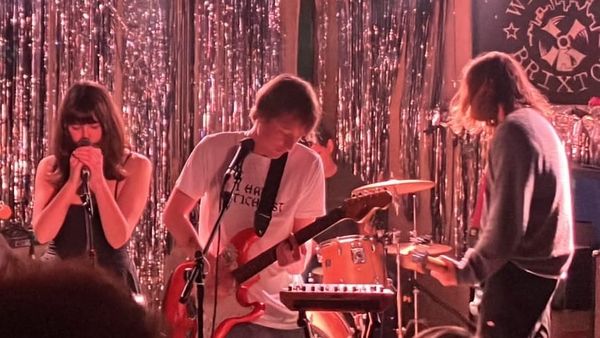
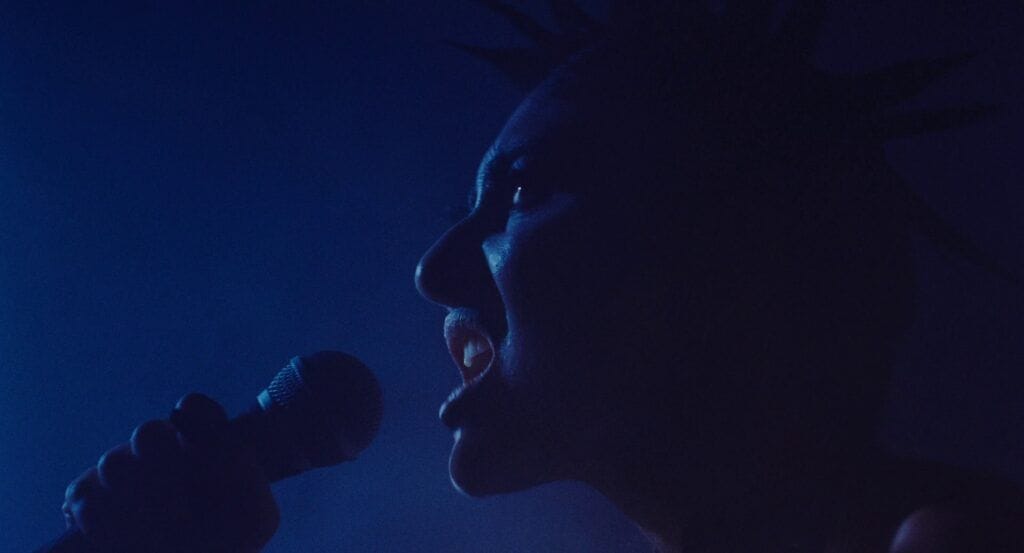
A lot later in the film we’re taken to the Double Lunch, a bar very eerily reminiscent of Twin Peaks’ Roadhouse, and are privy to their double bill of Sloppy Jane and King Woman. The former’s “Claw Machine” is the obvious heart of the film, both structurally (marking pretty much exactly the midpoint) and thematically, beginning with the lyrics “I saw the TV glow”. It’s a tearjerking ballad with backing vocals from Phoebe Bridgers (re-assuming her role from a past life as Sloppy Jane’s bassist on the stage), and all of our focus is on this performance. The wider story is reduced almost to a backdrop as we are absorbed, audience at the Double Lunch, reverent at the altar of this lushly orchestrated ode to emptiness, incomplete as ever.
The film immediately assumes a darker tone from this point on, with Maddy’s return and Owen being forced to confront all these tensions underneath the service and face the ‘not-quite-right’ that seems to subsume. This is complemented perfectly by our second performance of the night, a real left turn from the previous as we dive headfirst into doom metal territory. King Woman’s “Psychic Wound” is a violent, off-the-leash howl into the void. With a funereal riff, drumming continually propelling this ritual of frustrated release forward, provocative lyricism, and a climax of repeated screams ramping up in intensity and agony, this black sheep of the soundtrack more than asserts its necessity. If the atmosphere cultivated in the film thus far has been slowly picking at a scab, this song is ripping it right off with no regard for the bleeding, setting the mood very well for the most disturbing passage of the film that follows.
We eventually return to our familiar baseline, the malaise uncleared despite the necessity of escape – Owen unable to muster the faith, dismissing it as just fantasy, “kid’s stuff”. Here we encounter the final track prominently featured in the film, Florist’s “Riding Around In The Dark”. There’s a comfort in the strumming pattern, a bitter acceptance of the “end of the world” as routine. Just driving on trying to brush off the feeling, the glow dying out, and things are all the same for it – forever irresolved. Through this final bittersweet montage chronicling years wasted, this film dedicates itself to ensuring we don’t do the same, urging we embrace the glow that, rejecting, killed Owen.
The soundtrack in a sense exists apart from the film, standing on its own ground as this non-existent mixtape a teenage you could escape into, find yourself in, feel at home with where reality disappoints. This is a film centred around our protagonist’s relationship with a show on their TV set, the Pink Opaque - but it could just as easily have been an album on their Walkman. Transcending the lonely with the oddly danceable, lyrics plucked straight out of your daydreaming mind, not just seeing yourself as Isabel of the Pink Opaque but as Frances Quinlan singing “Another Season”, hoping despite the monotony. Accompanying the film’s end credits, this track is sequenced second on the official soundtrack. We can start anywhere.