IC Radio's Modulate
In conversation with the people behind the most energetic frequencies on campus.
On a rainy weekday morning, I did not expect myself to be rushing to Sherfield. Early-bird tickets for Modulate, IC Radio’s flagship termly club night, were up for grabs. Despite my lateness, I did manage to find Cam, president of IC Radio, sitting at a table looking cheery as ever. They’d almost run out, but I was fortunate to grab one of the last few available for a mere £3.
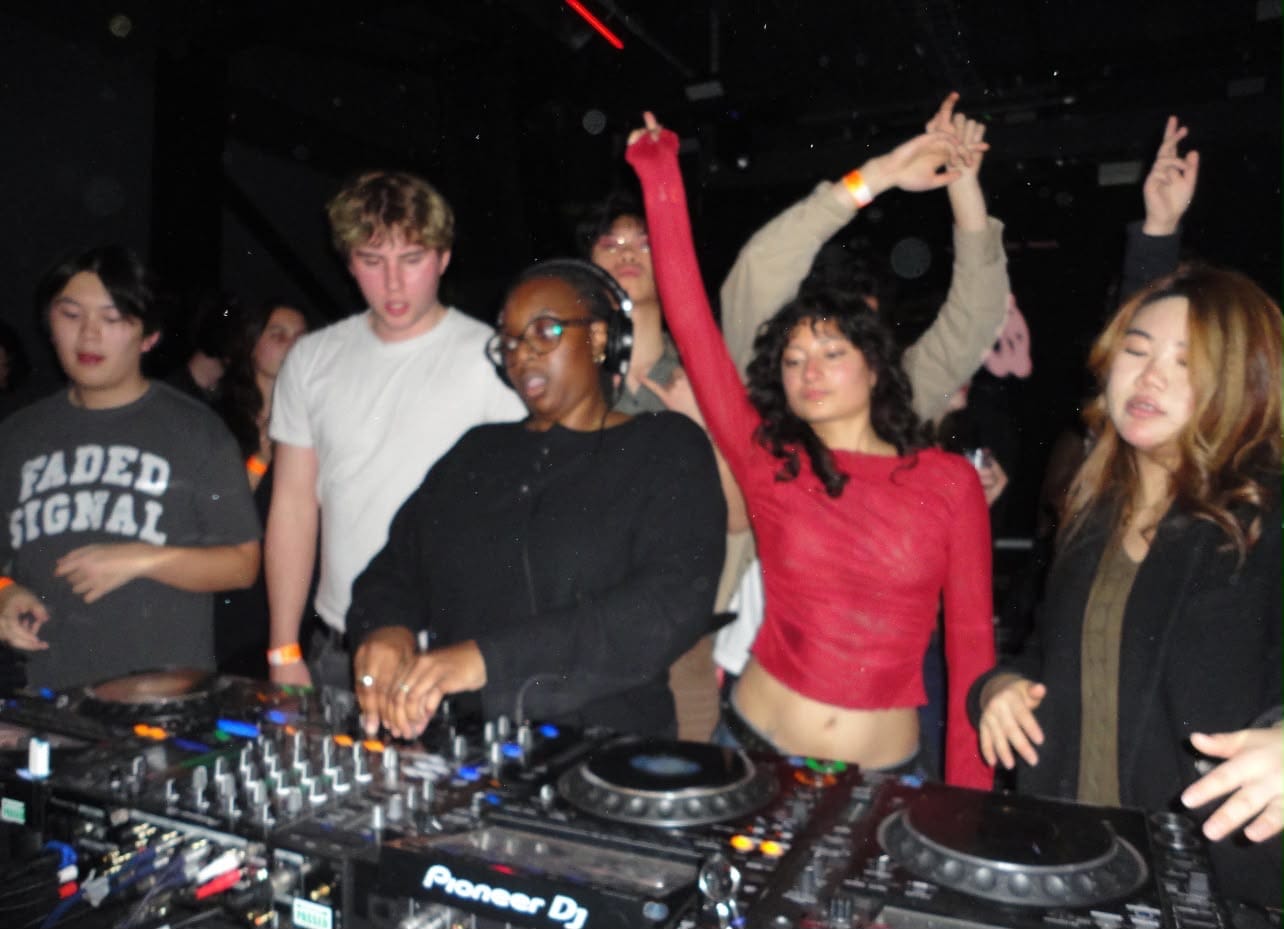
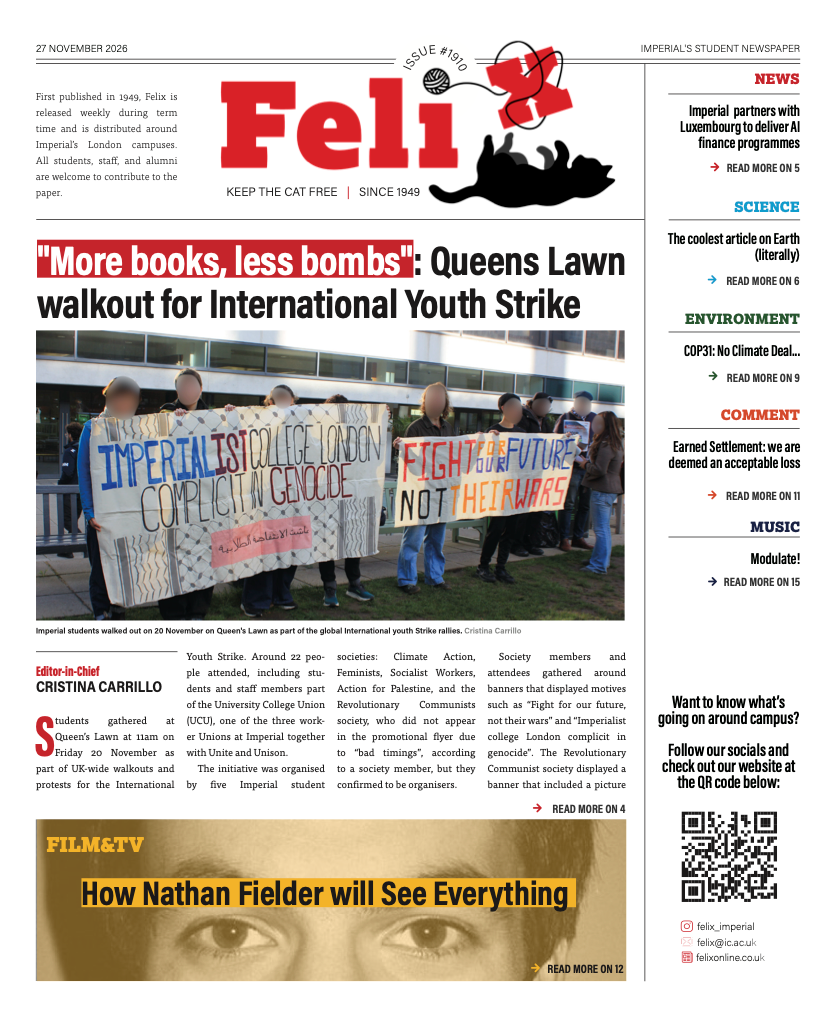
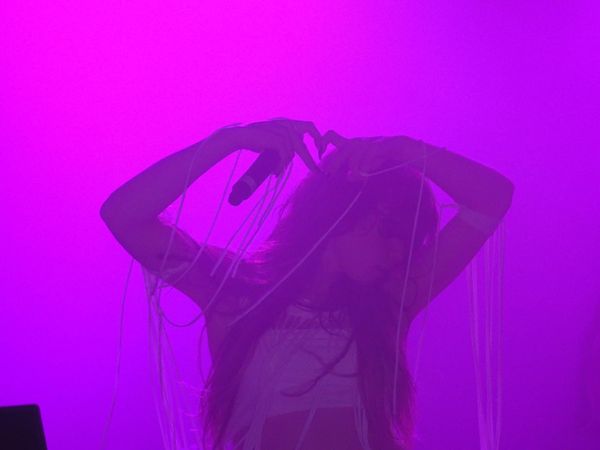
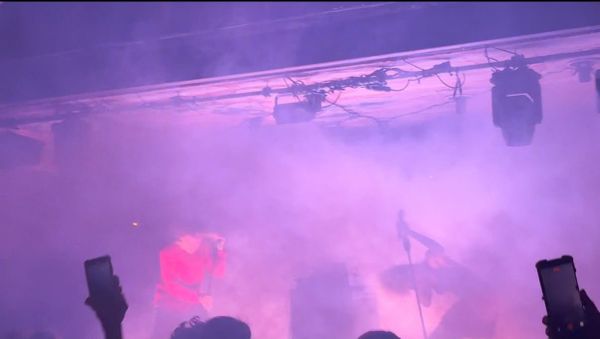
Fast-forward a couple of weeks, it’s the first set of the night. The tunes are a mixture of grime, dark trap and house. We’re five minutes in and there’s a mosh. It’s pyretic. After getting used to night’s out in London, an expectation sets in of a lacklustre crowd casually bopping their head to an equally tired DJ. This was an incredibly welcome shift.
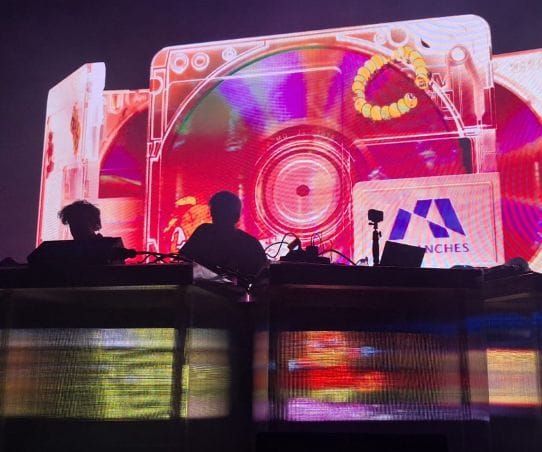
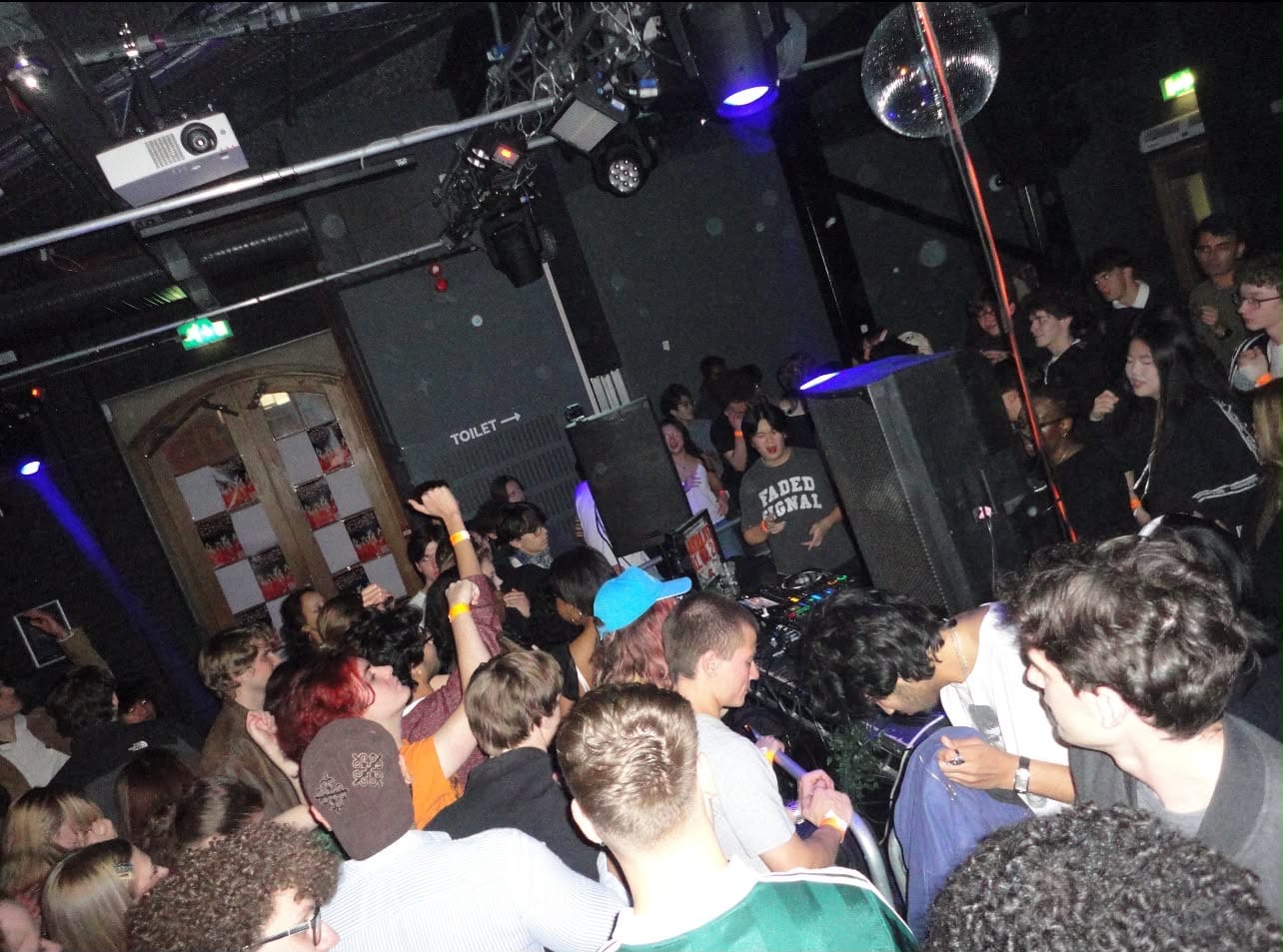
We switch it up – for now it’s time for jungle and drum and bass. The floor of Metric shakes: subwoofer or substance-induced raving, who is to say. 11:30, and Maya and Tomi get behind the deck. A medley of eclectic beats, spanning genres from house to funk to pop; this is nightclub heritage. Not a phone in sight, just my semi-employed brethren and I enjoying the moment.
Dexter was last to get on. It’s a tall order being the closing set for a night. I want to say we were ready to leave, but each time we stepped out for a second, we stepped right back in. Transfixing is the only word I can use to describe what was an interplay of techno and RnB. Smoother, more breathable, the crowd broke into chorus. High as ever in spirits, this seemed like the perfect way to cap off a room full of randoms assimilated in pursuit of rhythm.
I left wanting to know more about the faces behind the show. I sat down with IC Radio presidents Maya and Cameron for a conversation that shed light on the phenomenon that is building a home for underground at Imperial:
As physics students and producers, how do you integrate mixing ‘behind the decks’ and your work in audio tech/sound engineering?
M: There’s a link between the two, for sure. Having a background in audio tech has made me appreciate the technical side of producing, and it’s cool that it can be both a logical and creative process. But it was the other way around for me; I’ve always loved music, so naturally all uni projects were geared towards that. Joining radio was a turning point, and meeting creative people at Imperial was incredibly inspiring.
C: Sound engineering is heavily rooted in physics. For example, understanding the electronics behind frequency filtering in analogue filters, or how Fourier analysis helps explain why a square wave contains a richer harmonic spectrum than a sine wave. Additionally, taking the Music Technology Horizons this year gives me insight into production techniques like sampling, beatmaking and arrangement.
There’s a jungle/funk and bass/grime revival movement taking place in London. As a DJ, is there a larger collective renaissance or any artist-led movements that you draw direct inspiration from?
M: I’ve seen quite a few collectives popping up over London focusing not only on music, but also on building a wider creative network. It’s super inspiring to see young people taking action in re-immersing ourselves in music, and reconnecting and rebuilding IC Radio the community around those sounds. Seeing this happen is super motivating to expand outside of the Imperial bubble and collaborate with other unis/radio stations. Something I’ve noticed more at club nights is a move towards no-phone events (inspiring the recent Modulate) as a way to encourage people to engage more with the music and enjoy the experience, which we’ll hopefully continue to do throughout the year.
On the point of growing past the Imperial bubble and embedding yourself into the framework of this movement, what are your plans towards platforming up-and coming DJs?
M: Radio’s goal has been to provide a space for people to come together and share love for culture, music, art, design etc. Modulate is a great place to showcase DJs, but it’s also important to have other opportunities for newer DJs to build their confidence as performers, which is why we’re trying to do more IC radio takeovers at venues across London. Radio isn’t only about DJing, and that’s also something we hope to emphasise this year. We want to give a bigger platform to the podcasters and music producers through events like Amplify (live visualised podcasts), production competitions and workshops, encouraging people to get involved and giving them a shared space for their music.
C: Through events like Modulate and all the amazing radio shows broadcasted live on icradio.com, IC Radio’s primary objective is to spotlight Imperial’s DJs, podcasters, videographers, designers and musicians who create brilliant art alongside their demanding degrees. Recordings of the radio shows can be found on our SoundCloud, along with DJ sets and other live events available on YouTube, and our artwork and promo material on our Instagram. A long-term goal would be to have an IC music label to promote DJs and artists from Imperial to a wider audience. To build toward that, we want to continue to foster a community of students open to different music genres and art forms, and willing to share their knowledge to learn from each other, get useful feedback, and expand their creativity.