Imperial gene editing startup closes $8.1 million series A
Resurrect Bio revives crop immune systems by targeting weakened resistance genes.

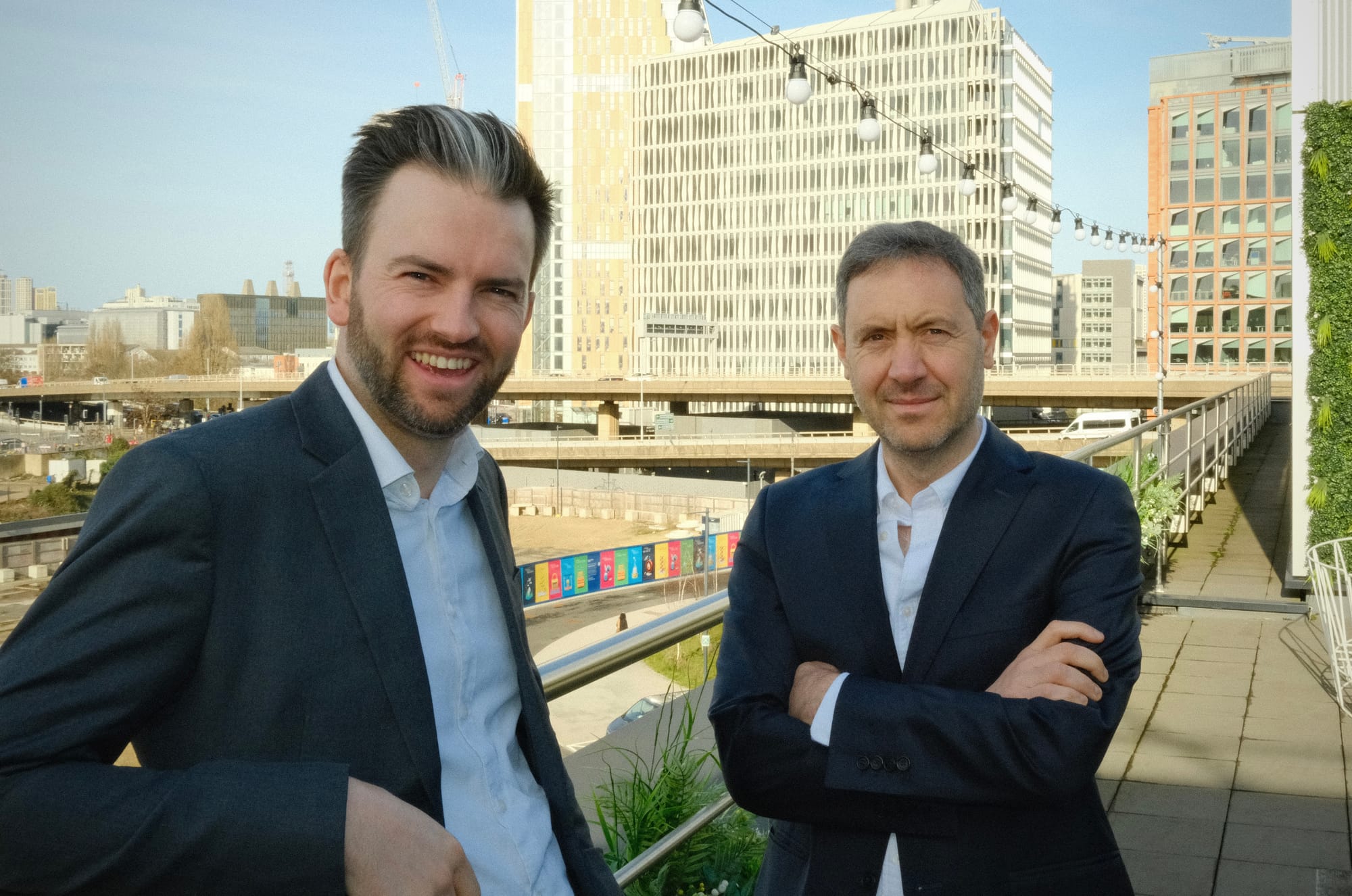
Resurrect Bio, a biotech start-up founded by Imperial researchers, secured $8.1 million of Series A venture capital funding to scale its gene-editing crop protection technology.
The firm offers an innovative crop protection solution that reinvigorates a plant’s existing immune defences against pathogens after these barriers have been weakened by disease.
Resurrect Bio uses AI technology to identify genes requiring changes. By making precise, minimal gene changes to “resurrect” a plant’s disease resistance capacity, it “enables crops to defend themselves against disease without chemical intervention, saving time and money,” Cian Duggan, the company’s Co-Founder and CEO, told Felix.
“We’re now working on soy, corn, wheat, cotton, canola, spinach, tomato, potato... the list goes on. We can develop disease resistance traits in just 1-2 years, about 5-10 times faster than industry,” Duggan said.
Resurrect Bio focuses on “targeted edits” to resistance genes instead of inserting foreign DNA into crops, as is generally done for genetically modified organisms (GMOs). “Transgenic technology can achieve great things,” Duggan explained, “but from a regulatory perspective there’s a de facto ban in Europe.”
Duggan obtained PhD in Plant Molecular Biology from Imperial in 2020. He founded Resurrect Bio in 2021, alongside his former PhD superviser, fellow Imperial researcher Prof. Tolga Bozkurt from the Department of Life Sciences, and Prof. Sophien Kamoun from The Sainsbury Laboratory.
The startup secured its Series A funding through the Corteva Catalyst platform, which aims to scale technology companies revolutionising the sustainable agriculture space. It announced its initial close on February 17th.
“Building a startup is hard,” Duggan said, “everyone knows that. But building an AgBiotech startup is even harder. There are fewer investors, the timelines are longer, the exits are smaller, and the number of acquirers is fewer. But the mission is no less important. There are still 800 million people without enough food.”