Imperial co-founded start-up receives funds for novel fertility test: This Week In Science
Genie Fertility, start-up co-founded by Imperial alumnus, raises $1.2 million to develop non-invasive fertility test

Risky, invasive procedures at an average cost of £7,500 and a 73% failure rate don’t sound like the perfect solution, yet in vitro fertilisation (IVF) is the best chance at fertilisation for one in six couples. Understanding the formation of a new life and the organ systems that aid it has been a challenge throughout history, with an overwhelming lack of knowledge on the organ that makes it all possible: the female uterus.
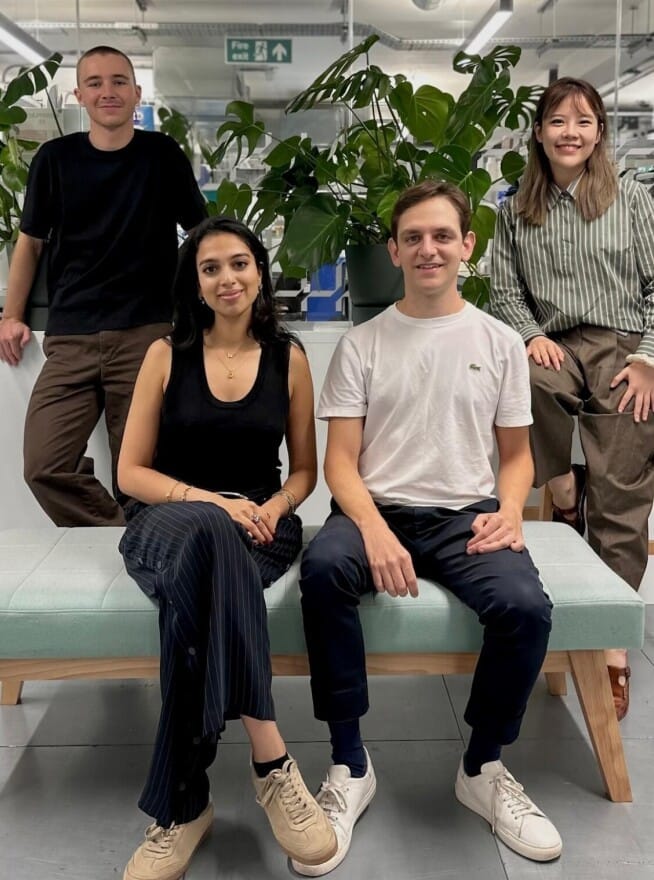
Paying attention to this gap, Imperial alumnus Dr Andreas Hadjimitsis and her Cambridge co-founder Anoushka Menon have collaborated to build Genie Fertility, a start-up that focuses on utilising the uterus lining to obtain accurate, detailed biochemical parameters on the patient’s fertilisation status. “I realised that I wanted to help with the application of biology to areas of health where it is lacking”, says Dr Hadjimistsis.
The company’s approach involves making the most out of menstruation, a golden opportunity to access the uterine lining, which is otherwise inaccessible in its totality. Menstrual blood samples subsequently analysed by leading IVF groups and machine learning algorithms in a clinical trial in March reveal biomarkers with promising potential for a non-invasive fertility test, the company’s main objective.
The investment, composed of seed funding by US and European investors, will support a nine-month study to continue developing the machine learning model that promises to identify pregnancy outcomes by memorising data from currently over 200,000 patients.