Mulholland Drive (2001)
A David Lynch feature: A dream-like, surrealist film
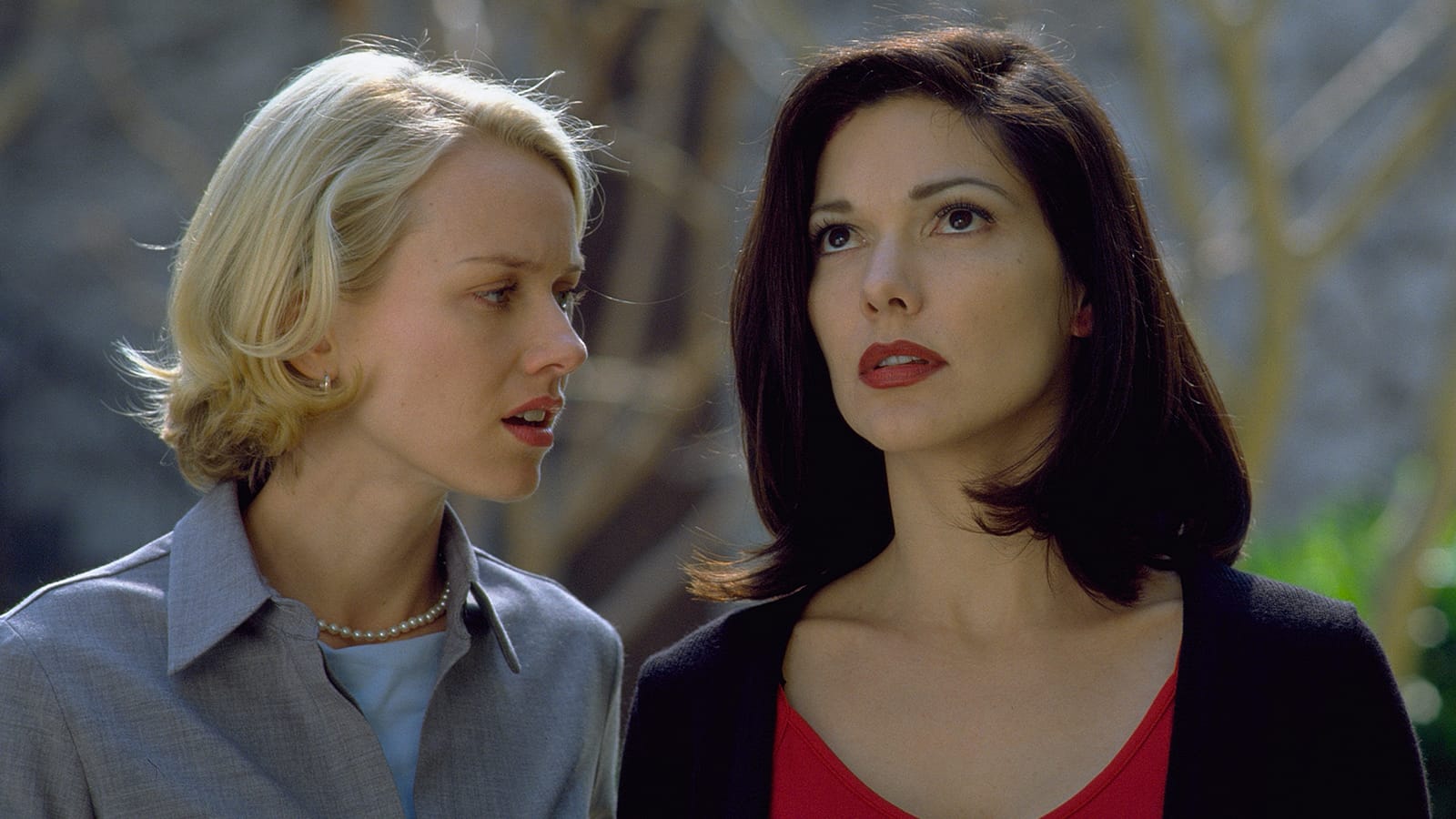
Mulholland Drive is perhaps one of the best-known films of David Lynch, and for good reason. Even though it was released in 2001, in my opinion, it has a sort of timeless feel in the sense that you would not be able to deduce the year of release from just the film. It is classed as a neo-noir mystery starring Naomi Watts and Laura Harring as the two protagonists. On the surface, the plot seems to be revolving around these two, one playing an aspiring actress and the other an accident induced amnesiac. However, on a deeper level, there are several subplots, some of which are left unexplored. A substantial subplot is a director, played by Justin Theroux, having to choose survival over artistic integrity.
Initially, the film seems very disjointed, with seemingly no link from one scene to the next. Some viewers may even find it jarring. There are questions running around your mind about each scene and if it even has any significance at all. The movie begins with a jitterbug sequence, which is never explained or referenced again. The film has several examples of this, such as the diner scene. However, as the film progresses, some of those questions are answered. Although more realistically, the answers just give rise to more questions, and those questions have no clear answer. The viewers have to come up with their own bizarre theories to even attempt to resolve some of them. The film is made in such a way that this task is futile. You cannot fully answer all the questions to a satisfactory extent. It is even fair to assume that the allure of the movie lies in this and attempting to explain or link together the scenes somehow will diminish your experience.
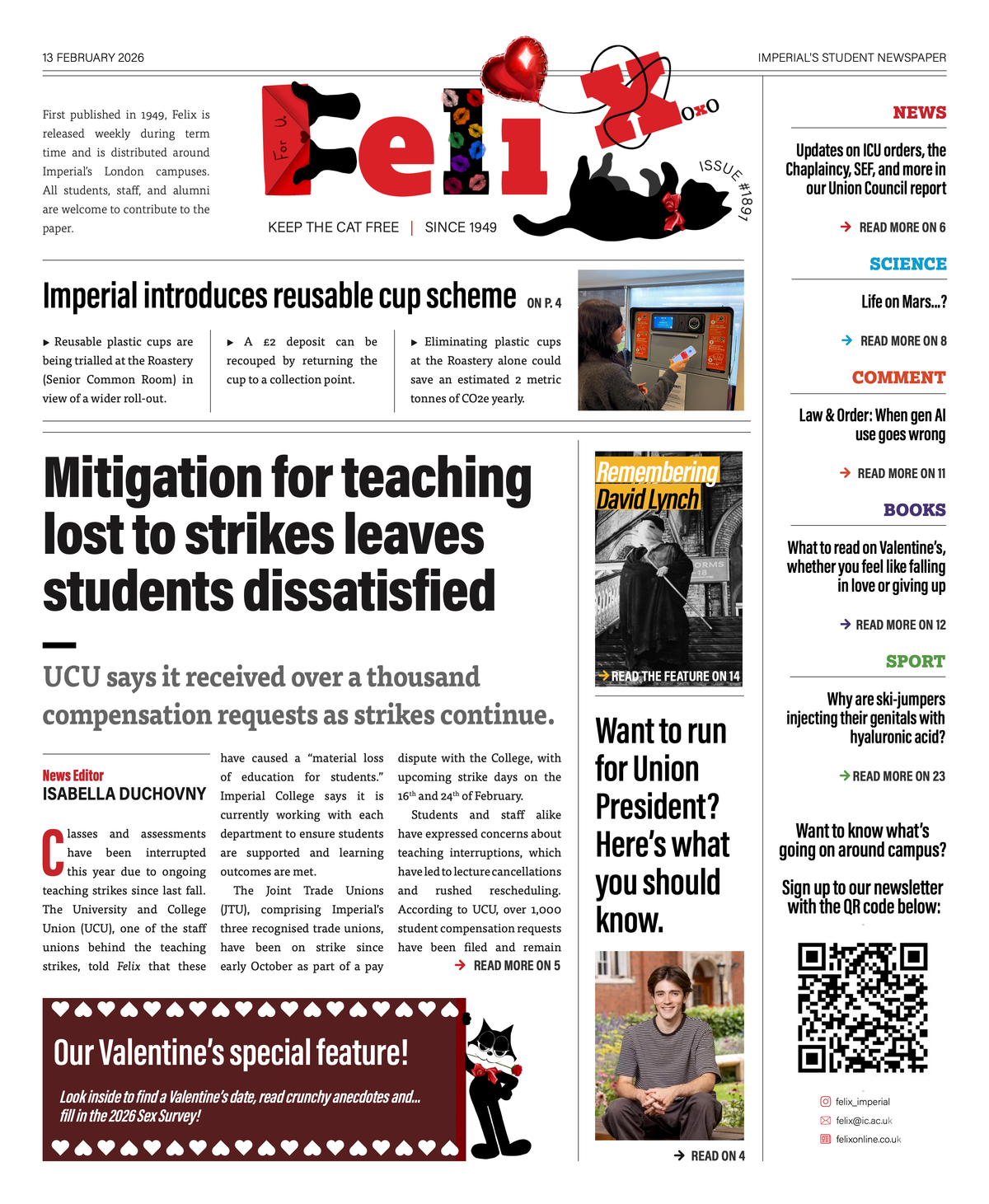
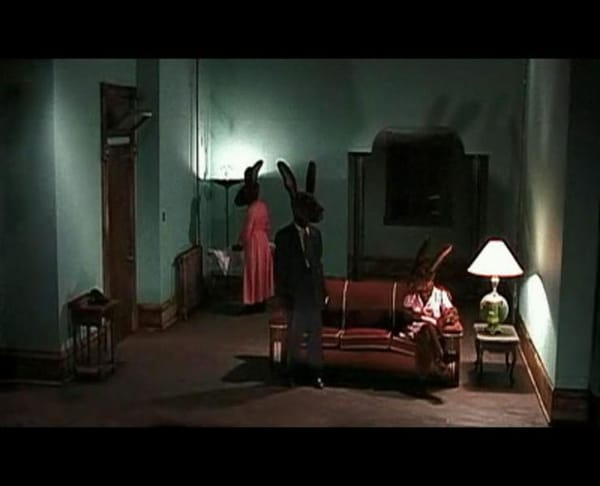
Owing to the nature of the film, it would be unwise to discuss any scene, even briefly, here. It would take away from discovering it for the first time and the subsequent confusion. However, the style of the movie is fair game. The movie is inherently surreal, feeling like a fever dream. Lynch uses corners and empty hallways to build the anticipation of viewers. In those brief moments, the characters and the audience are one, waiting to discover what lies (or not) behind. There is a grainy feel to the film, with no crisp, high-quality scenes. One might even say that a haze persists throughout the film. This all ties in well to the dream-like, surrealist nature of the film.
The audience mirrors the characters at several points in the film. They are trying to decipher what is going on, just like Harring tries to recover her memories. Sometimes, a scene helps build up the overall picture of what the plot is, then ruins that comfort immediately in the next scene. Apart from the familiar characters, there are some that pop up from nowhere and leave just as soon. You may even doubt if they were even real. This adds to the mystery and confusion as your doubt never fades. The whole movie feels eerie and creepy, like there is someone or something watching the characters from outside the frame. But you don’t know what, nor will you ever know.
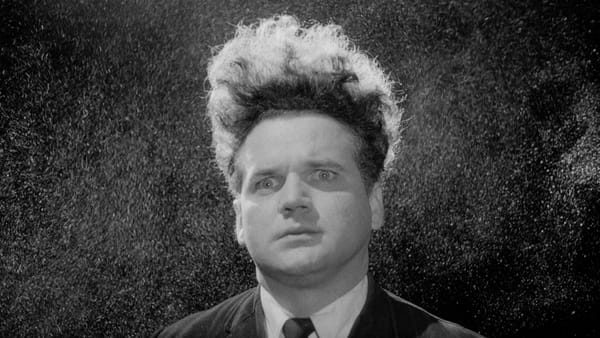
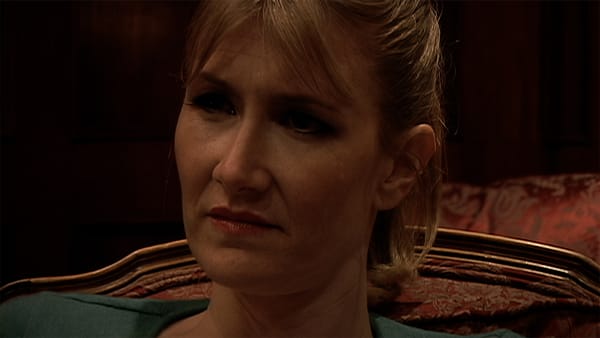
Lynch uses a lot of closeups of the face and the eyes in particular to focus on just the characters and nothing else. The background is removed, there are no other elements – just the expressions of the characters. Despite mentioning that the scenes seem disjointed, in the latter parts of the movie Lynch uses dissolves and transitions brilliantly to link the past to the present. In one particular scene, he uses split images to create a blurred effect to show shock. He uses bright, overpowering lighting in some scenes to show the magnitude of the scene itself.
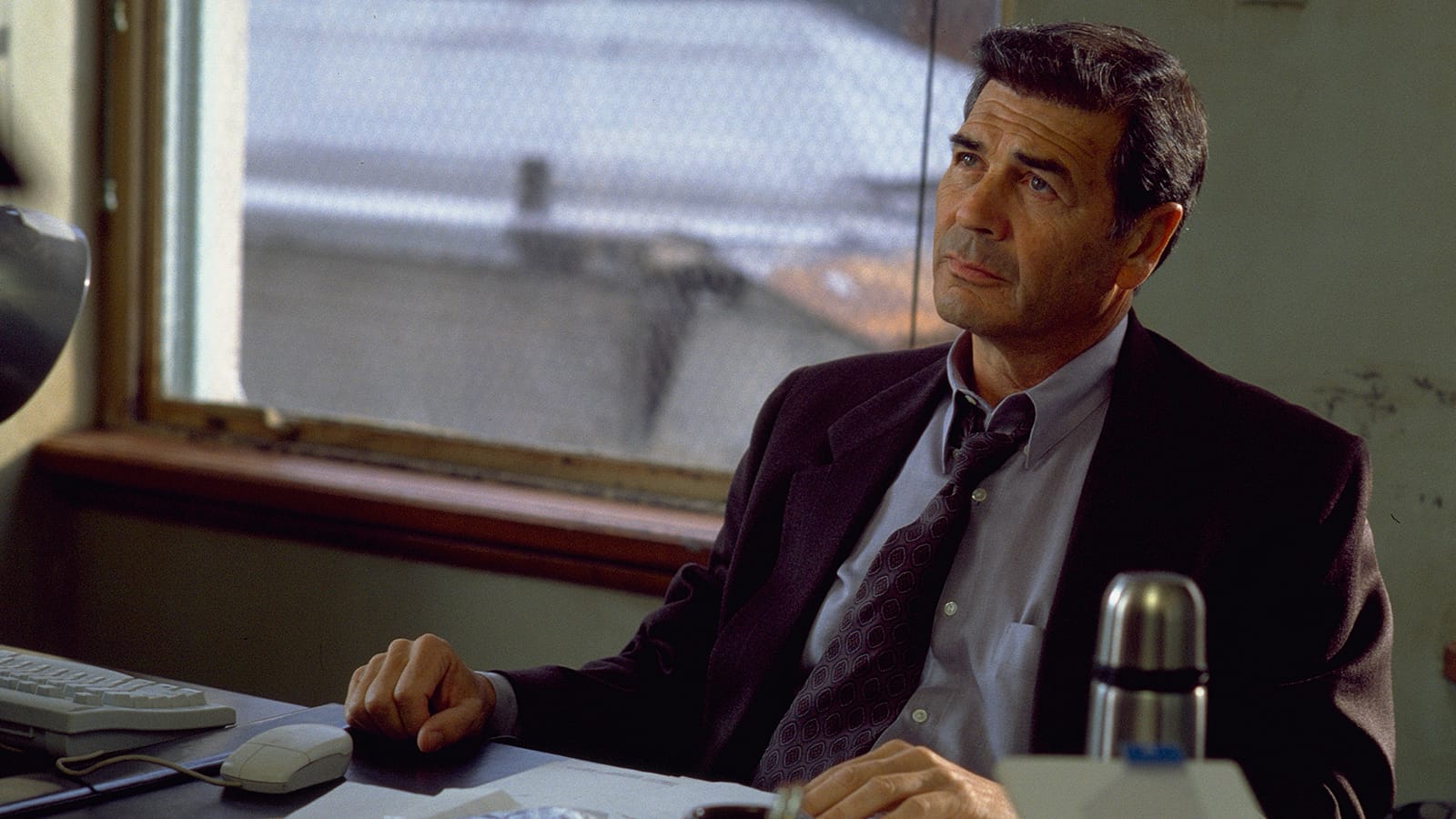
The music and visual effects also add to the uneasiness of the film. There’s a low rumbling sound in scenes which may not even be audible unless you turn up the volume. There is a scene which uses flickering lights to build the audience’s expectation that something chilling is about to happen. Empty roads lit dimly by a car’s headlights in the dark night, with a sparse background, also add effect to this creepy feeling. With the way the cowboy meets the director in the night in the open field, you can deduce what the director is truly thinking. The camera pans from their spaces with ample pauses between dialogue, and each word is said with purpose. Then there’s the Club Silencio scene where the opening performer uses illusions which further messes with the viewer’s brain. It is as if Lynch himself is giving validity to the idea that nothing is real, just an illusion.
The whole movie feels eerie and creepy, like there is someone or something watching the characters from outside the frame.
One might say that the characters are clichés and depict popular archetypes. The naïve, ambitious girl who moves to L.A. to fulfil her dreams of becoming a big movie star. There’s a classic femme fatale who betrays the people she seemingly loves, the arrogant big-time Hollywood movie director, the warm resident of the apartment complex who helps new residents settle in and such. However, things are not as they seem. Maybe the characters are archetypes in one scene, but then they are not in the next.
Lynch also uses material objects as a means of progression. The blue box, the blue key and the black purse serve as a link between the earlier and later parts of the film. When you first encounter them, you may not even notice them – and if you do, you are left wondering, was that just a meaningless prop or did it have some significance? You start seeing familiar names and faces. The characters’ backgrounds reappear in a different way. The same faces appear in a different light. It is only the faces that remain the same. You cannot conclusively tell which version is true. In fact, it may well be that both of them or neither of them is true. You start to recognise links between the earlier and later versions. You start forming a web of connections in your brain. You are just waiting for that one final piece that will solve the puzzle. Lynch gives you no such pleasure, and the movie ends with a single word: Silencio.