Why nuclear energy shouldn’t be the solution
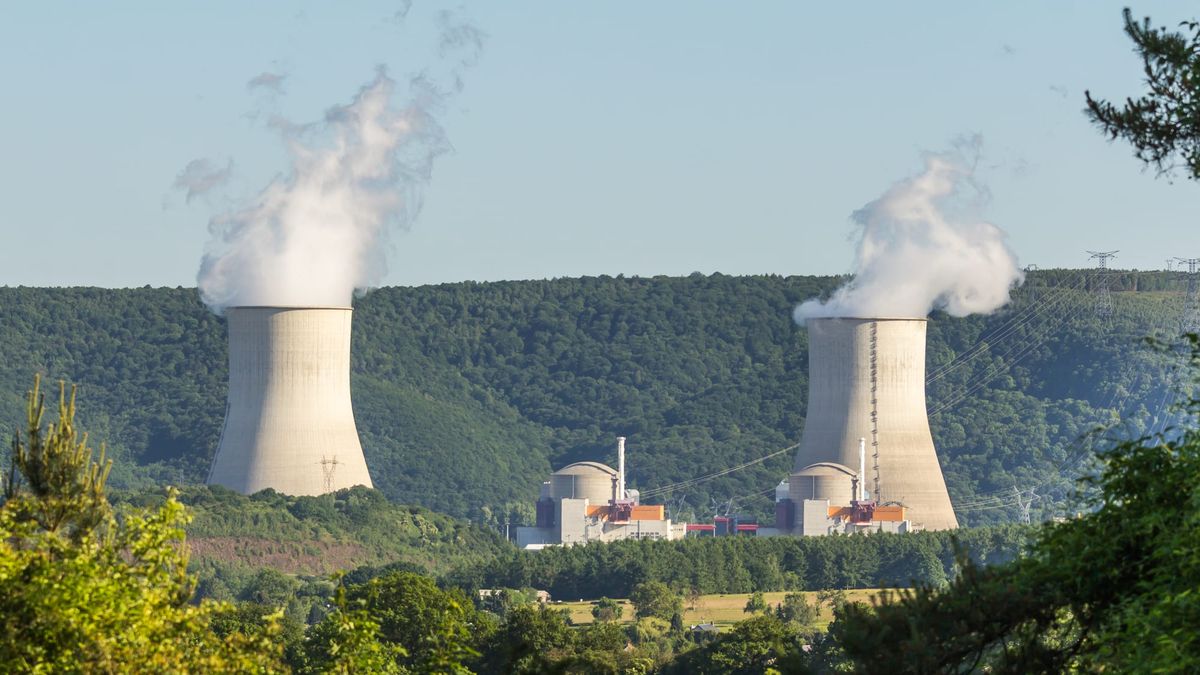
Much of the public is afraid of nuclear power. Four or five high-profile disasters over the last century — not to mention the constant spectre of atomic weapons — weigh heavily on the global conscience. Nuclear energy has a grim reputation.
There is a growing opinion, however, that these fears are entirely unfounded. Many of those in STEM fields, as well as Big-Tech investors and futurists, believe that the public is simply ignorant about the topic, that all the risks of nuclear power have been mitigated and societal perception of it should change. It is often touted as the "obvious" solution to the climate crisis as well. More reliable than renewables, less damaging than fossil fuels. What’s not to like?
I don’t condemn nuclear power. It is absolutely better than coal, oil, and gas; and yes, there is a degree of cartoonish devilry associated with it that does not reflect reality. Still, it seems a little naïve to suggest that all the risks of atomic energy have evaporated, or that it doesn’t come with many other drawbacks. Furthermore, the fact that historical disasters can all be ascribed to human error is not quite as reassuring as some make it out to be.
There have been catastrophes at nuclear power plants, obviously. There was Three Mile Island in the US and Sellafield in the UK. There was Fukushima in Japan. The Soviets had Kyshtym and later, of course, Chernobyl. These disasters were all eminently preventable. They were the result of design problems and human error. Take Chernobyl as the prime (and certainly most infamous) example: awful decisions were made by the operators, who seemed to care more about efficiency than safety; the staff on shift were new, and dangerously untrained and incompetent; most of all, a major design flaw in RBMK reactors had been kept secret by the Soviet government as part of its obsession with appearing strong on the international stage.
Chernobyl was caused by incompetence, bureaucracy, mismanagement, and lies; when this became clear, the RBMK reactors were fixed. In fact, the causes of every nuclear disaster in history are known. They have been corrected for: it is nearly impossible that the exact same disasters could ever be repeated, anywhere. This fact has led many to assume, wrongly, that nuclear power has been made safe. Sure, a correctly-managed plant is nearly failure-proof. But Fukushima was as recent as 2011. Are we ready to flood the globe with nuclear power plants, on the assumption that they’ll be correctly managed by every country into the far future? These incidents have occurred under communism and capitalism, across decades of safety improvement. Human error is universal, and this is not an area to be playing games. The cost of a poorly designed wind turbine is a localised problem. The cost of a poorly designed nuclear plant could be the lives of millions.
And what about the rise in global conflict? The Zaporizhzhia plant in Ukraine was the site of intense fighting in 2022. A year ago, the Sellafield complex in Cumbria (already a disaster zone in 1957) came under a successful cyber attack by China, the scale of which is not yet clear. Not every nuclear incident is an accident. When the potential for harm of an energy source is this high, concerns about its vulnerability can never be called frivolous.
It’s absurd to suggest that the risks have gone away. Do we really think there are no longer companies or governments that would cover up dangers to save face? Do we really think that safety has now taken priority over efficiency? We have not moved on from the age of industrial recklessness: if anything, we are at its peak. The human error that caused Chernobyl is the same human error that is causing the climate crisis now threatening the planet. The ideal of nuclear power can easily be thrown off-course by greed and myopia, and that’s as true now as it ever was.
I don’t mean to fearmonger. Nuclear power has its place, and safety measures really have got better over the years. Incidents remain exceedingly rare. Nuclear can be an excellent stepping stone from fossil fuels to renewables, and fusion energy may prove functional twenty (or fifty) years down the line. But don’t be convinced that a rifle isn’t dangerous just because it needs a human to point it the wrong way. There’s always going to short-sighted humans with terrible aim, and there’s always going to be someone standing at the ready to sell them guns.