Where to start with Russian literature
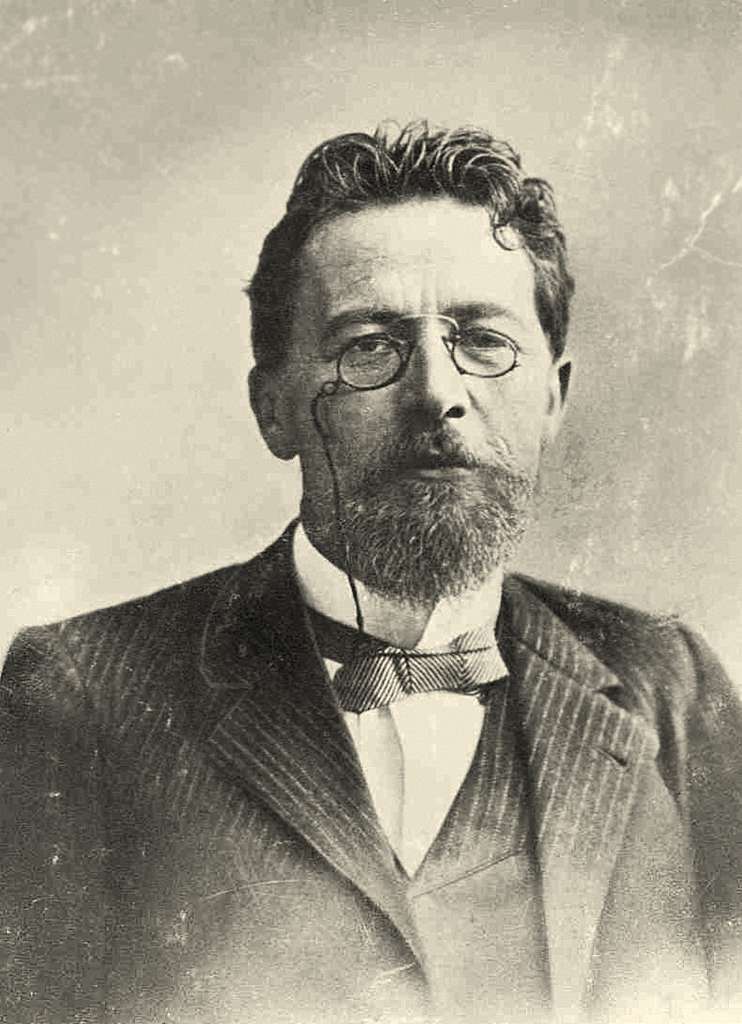
Chekov makes a great starting point.

Before university, I started Crime and Punishment. It was enticing but laborious, and difficult to devote time to during the rush of freshers. This break, I read a collection of Anton Chekov’s short stories, The Lady and the Case, which I borrowed from the Abdus Salam Library. Now, I am reading The Little Trilogy, a collection of his three most celebrated short stories.
Chekov makes a great starting point for three reasons. First, length. No more than five to 30 pages, both quippy and relatable, they are enjoyable and take little time to breeze through. Secondly, simplicity. Chekov began his career writing funny but realistic vignettes for newspapers. They were accessible to the common Russian person in the 1880s, and continue to be for everyone. While Anna Karenina is saturated with an endless number of characters who in turn have an endless roster of names, Chekov’s short stories are more streamlined. They have less capacity to confuse you; if they do, it requires minimal effort to rectify that. Lastly, his langauge and style are a gateway. Despite being concise, Chekov creates similar insight into characters’ minds. Although prose relies on translation quality, there is a similarity to many Russian authors’ brief, straightforward yet profoundly nuanced writing.
I can’t continue to miss out on quintessential Russian literature any longer
After I finish The Little Trilogy, I plan to commit my time to The Master and Margarita by Mikhail Bulgakov which my father gifted me for Christmas. As I read more of Chekov’s work, I find myself increasingly eager to tackle both his plays and the Russian novels that define the literary canon. After starting, I can’t get enough; and I can’t continue to miss out on quintessential Russian literature any longer.