Students’ favourite spots for sex on campus
Choosing the right spot on campus can take a shag from good to great
The Union has held another top record for being the place with the most sexual activity. However this most likely is due to Beit Hall being close by. In second place is the Chemistry building, a rather interesting score considering the many labs and rooms inaccessible to non-Chemistry students.
On the other hand, Roderic Hill seems the safest place to avoid accidentally sitting where two people might have had the night of their lives. As every building had at least five people reporting to have had sex there, no place is truly safe, though. Not even the room you rented in your first year.
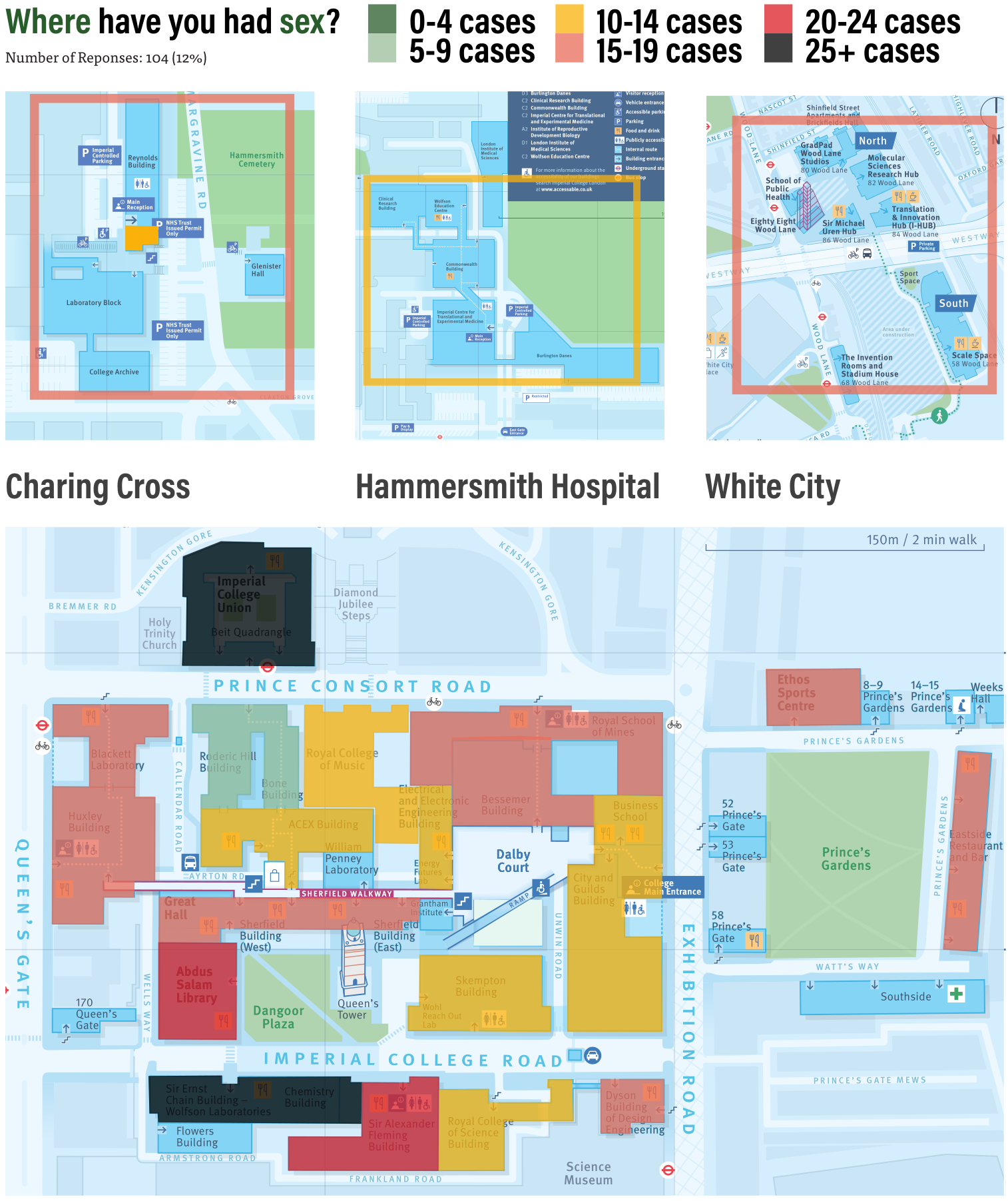
The Library, a typical choice considering it's open around the clock, despite the open floor, makes us question if the bathrooms or the private study rooms became victim to over 20 moments of passion. Though we will never know, we pay nobody decided to get funky in the chairs we sat in on the 5th floor.
In which accommodation?
Number of responses: 385 (44%)
- Kemp Porter (28%)
- Woodward (27%)
- Wilson (20%)
- Eastside (17%)
- Beit (16%)
- Southside (14%)
- 3rd-party (8%)
- Other (7%)
- Evelyn Gardens (7%)
- Xenia (7%)
- Parsons House (3%)