UK to welcome Erasmus students again from 2027
The deal covers the 2027-28 academic year, and marks a reversal from Prime Minister Boris Johnson’s post-Brexit withdrawal from the scheme.

The UK is set to rejoin the Erasmus+ scheme in 2027, seven years after Prime Minister Boris Johnson’s post-Brexit Conservative government withdrew from the student, work and staff exchange and mobility programme in 2020.
In the UK’s final year as part of the arrangement, it sent 9,900 students and trainees on placements abroad, and welcomed 16,100 foreign students into UK institutions through the programme.
Whilst the country was still eligible to participate in the scheme after Brexit, Johnson’s administration viewed the arrangement as lacking value for money. It replaced the programme with its Turing Scheme in the same year, which only provided funding for UK students going overseas.
In the absence of Erasmus, Imperial has continued to offer years abroad on bilateral terms with partner universities, as well as via exchange agreements with Switzerland, Australia, Canada, Singapore, the USA and Hong Kong. In the 2023-24 academic year, 214 Imperial students received exchange funding via the Turing Scheme.
The Turing Scheme has been applauded for reaching a larger proportion of students from disadvantaged backgrounds, and has benefitted more UK students on an annual basis than Erasmus did during its years of operation. However, its lack of funding for incoming students was criticised as a broader symptom of the UK’s post-Brexit distancing from its European Union (EU) counterparts.
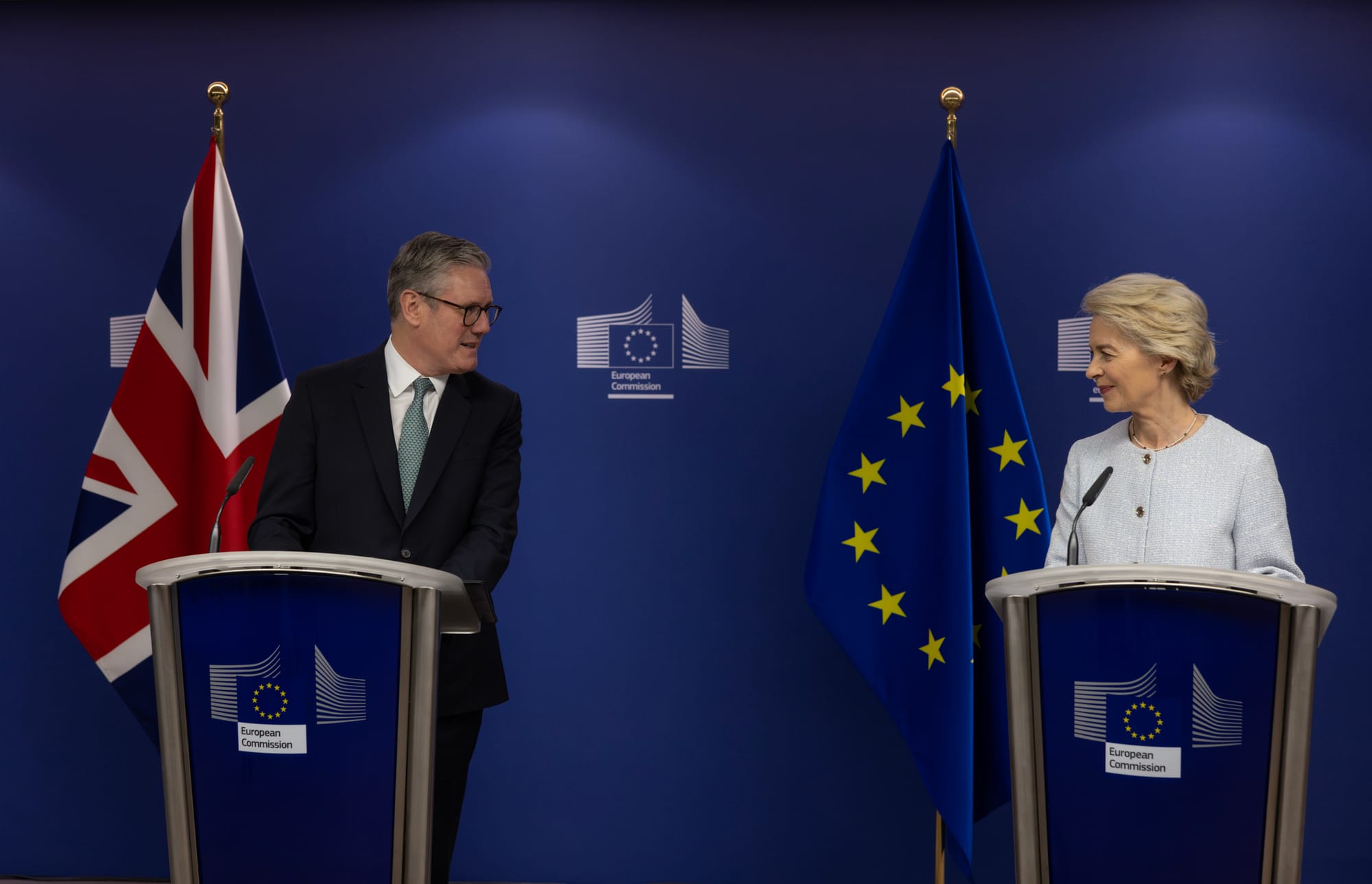
The UK’s U-turn is cited as part of Prime Minister Keir Starmer’s “reset” in relations with the EU. The government estimates that 100,000 people of all ages could benefit in the scheme’s first year of operation, though the current agreement only covers the 2027-28 academic year and requires further deals to be extended.
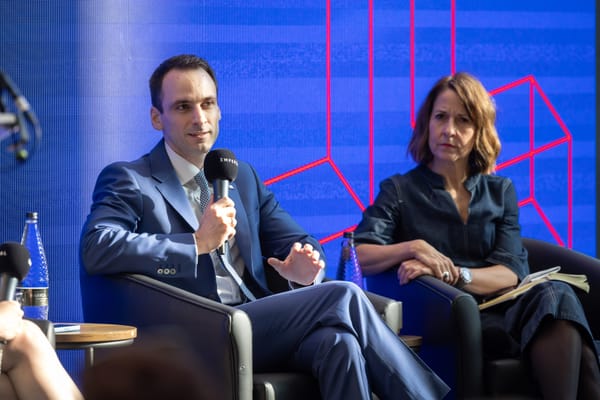
Arttu Rajantie, Professor of Theoretical Physics at Imperial, says the deal is "excellent news for young people across the country." In addition to opening up more opportunities for Imperial students to take on exchanges abroad, welcoming more European students will "increase the international diversity of our student community and help to reverse the sharp drop in their numbers caused by Brexit."
Rajantie, who chairs the Finnish Science Society in the UK, added: "Erasmus+ is far more than a student exchange scheme. It also supports traineeships for students and recent graduates, staff exchanges and professional development, joint Master’s programmes, and many other activities. Rejoining will also help rekindle and strengthen our research links with European partners, which is crucial for Imperial to maintain its position as one of Europe’s leading universities."
A study by Universities UK, an advocacy organisation for higher education institutions, disputed Prime Minister Johnson’s claim that Erasmus brings no financial benefit to the UK, pointing to the additional spending brought in by foreign students. Moreover, a 2019 study by the European Commission found that one million “Erasmus babies” were born thanks to the scheme, to parents who “met while one or both were on an Erasmus exchange in another country.”