White Nights
Fyodor Dostoyevsky’s short novella revolving around loneliness, unrequited love, and dreams still resonates with our society today.
The nameless narrator of White Nights, a lonely young man, meets Nastenka, a young woman with whom he forms a strong relationship, yet they promise to keep it friendly rather than romantic. Waiting for her long distance lover, Nastenka holds expectations that lock her heart away from new love. From there onwards, a reader cannot expect the happiest of endings for the narrator.
Nevertheless, both individuals connect on their common outlook on life, that they are “dreamers”who escape their reality by constructing imaginary fantasy worlds with art and literature. Whilst our narrator hides from his own isolation, Nastenka feels trapped because she lives with her grandmother, whose overprotectiveness is a barrier to her freedom.
In the UK, statistics show that 60% of 18+ year olds often report feeling lonely. In our digital world, most of us escape those uncomfortable feelings by scrolling and brain rotting. Simultaneously, despite our fundamental freedom, some communities and cultures in different parts of the world uphold strong expectations that may limit one’s options in life choices.
Dreams, art, stories, and humour have always been a form escapism for us, a place where you can forget who you are, who you should be and what you should do in that period of time. The digital world becomes a place where one can feel more connected by relating to stories or reels, feeling less lonely (temporarily) as a result. This desire to run away from their reality is what connects both of our characters in White Nights.
A year before the novel is set, a lodger who ultimately leaves to Moscow rents an attic room from Nastenka’s grandmother. He and Nastenka fall in love. Thereafter, he leaves to Moscow for a business trip, promising to return within a year’s time to marry Nastenka. The effect of this promise, the power of words, is strong on Nastenka, and she expects her lover to show up at their meeting spot at any time. This demonstrates young love’s high expectations, and how one craves for something to hold on to and believe in.
I read White Nights in December, when the weather was quite grey, and exam period was getting closer by the minute, so ironically the steadfast belief of the characters was warming and hopeful.
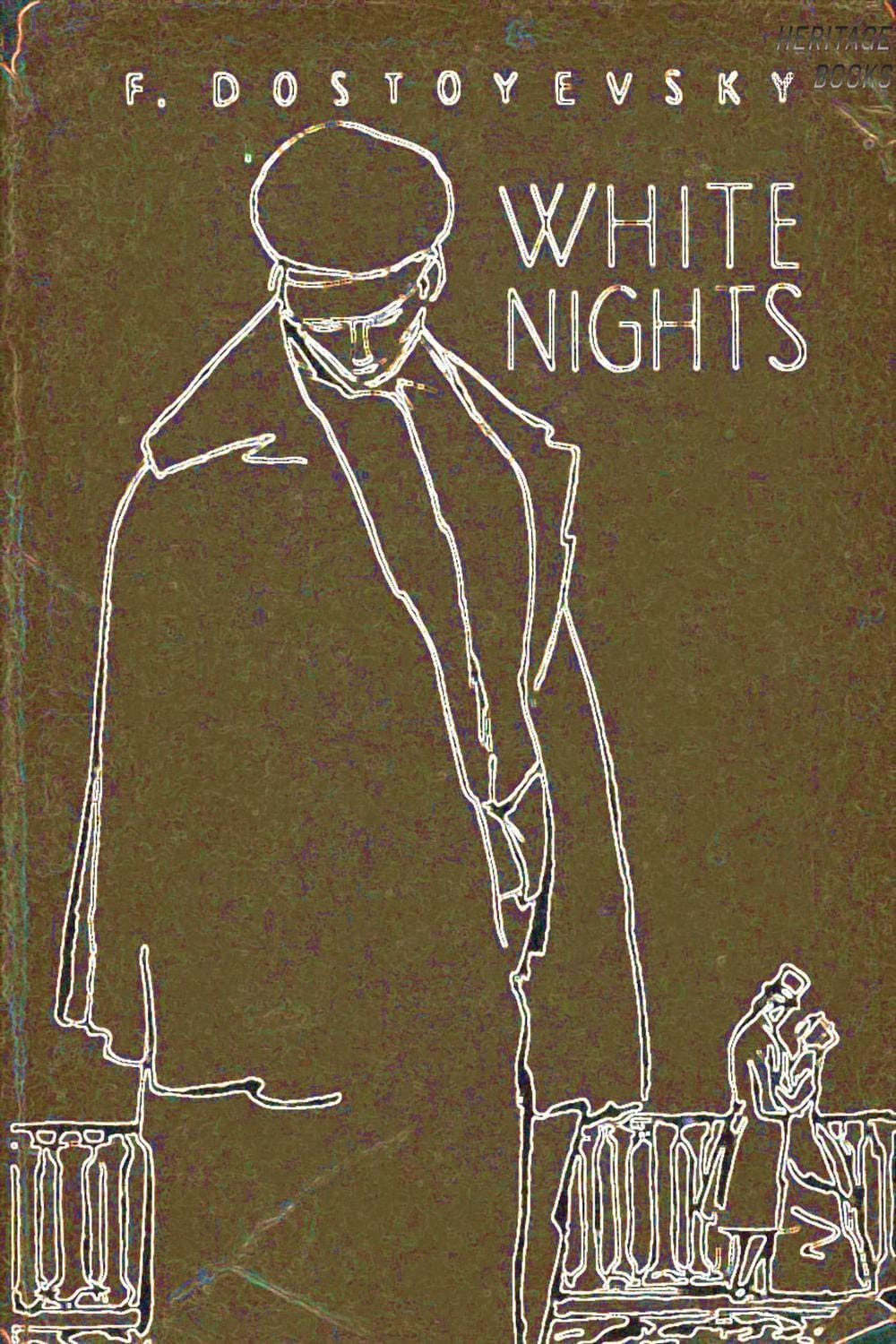
While Nastenka maintains hope through her lover, the narrator, who previously felt useless and depressed in his daily life discovers passion and love for the world through her. As such Dostoyevsky foreshadows great disappointment to his fleeting happiness. Despite this, his love for Nastenka allows him to see life with colour once more, feeling happier and friendlier towards his surroundings, which in effect also leads to a decrease in his isolation. His purpose is awakened through this strong relationship, where our narrator finally feels heard, seen, and understood.
When on the fourth night the lodger still does not appear, the narrator tries to comfort Nastenka, offering his own love to her, which she accepts. Just at this moment, when promises and hopes were at their highest, and both began planning their future, the lodger appears and Nastenka runs into his arms.
The next day, the narrator receives a letter of apology from Nastenka, expressing her gratefulness for his support and hoping to maintain their friendship. The narrator does not answer, nor does he ever forget her, remembering her with affection. This tragic end is not uncommon to Dostoyevsky’s style.
Today, people remain uncertain towards the sustainability of long-distance relationships, friendships between men and women, and sympathise with how one’s time may not always align with one’s luck in love.
Life and new opportunities get in the way of relationships: biological and societal components draw questions regarding the integrity of friendships between sexes, and the concept of “right person, wrong time” all re flect love’s complications.
Altogether, with the fast-growing use of AI and technology and how far modern society looks from even a few years back, it is easy to consider older literature irrelevant. However, human relationships are one aspect that transcend generations and will remain fundamental to our lives.
These are usually core theme explored in classical literature, especially emphasised in Dostoyevsky’s work, who manages to raise these questions and themes into roughly 100 pages (perfect for busy Imperial students), drawing the reader into a universe which is challenging to remain emotionally detached from.
If you want to begin reading Dostoyevsky’s work, White Nights is a great brief introduction, embodying his lyrical style and depth with an impact.