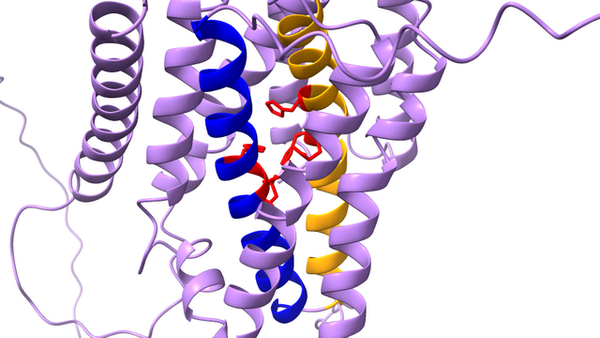
Understanding the shape of life
The 2024 Nobel Prize in chemistry was awarded to David Baker, Demis Hassabis, and John Jumper for their protein structure breakthroughs.

The 2024 Nobel Prize in chemistry was awarded to David Baker, Demis Hassabis, and John Jumper for their protein structure breakthroughs.
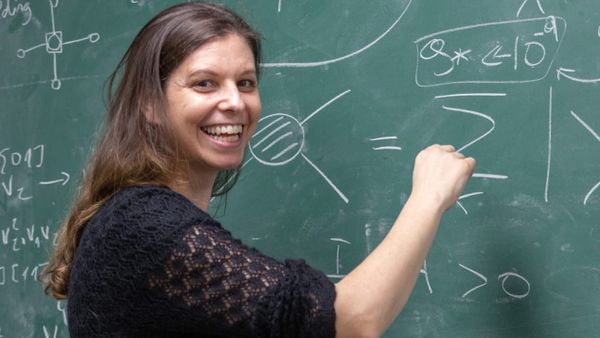
Imperial physicist and author sits down with Felix to discuss all things gravity and her life in academia.
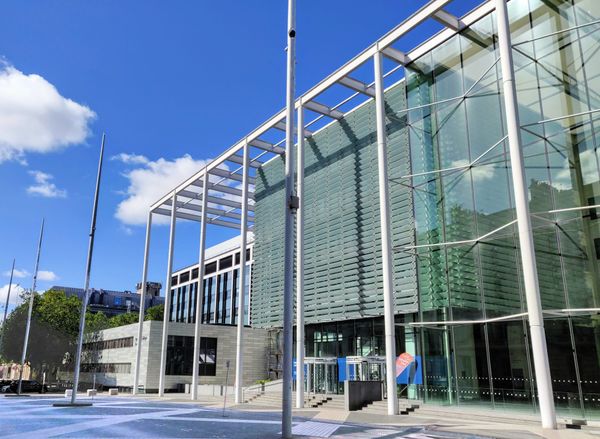
The team wishes all students and staff members a warm welcome back to Imperial for the brand new academic year.
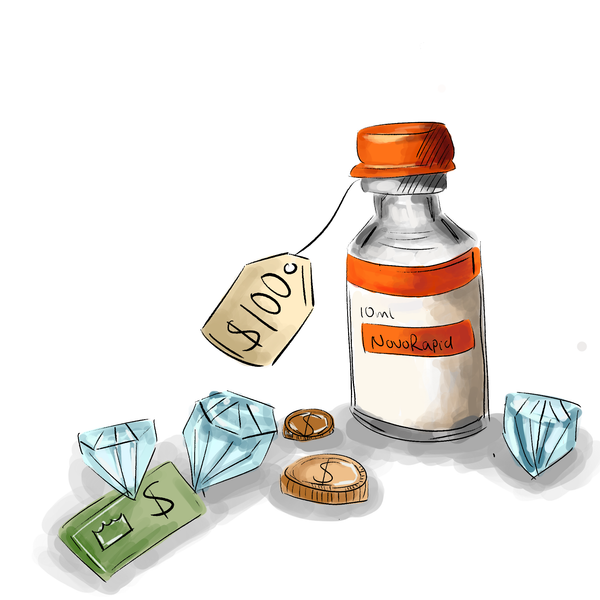
On the rising prices of insulin in the US and the impact on both companies and patients.

MEng student Mayar Ariss’ design aims to reduce the impact of humanitarian crises worldwide.
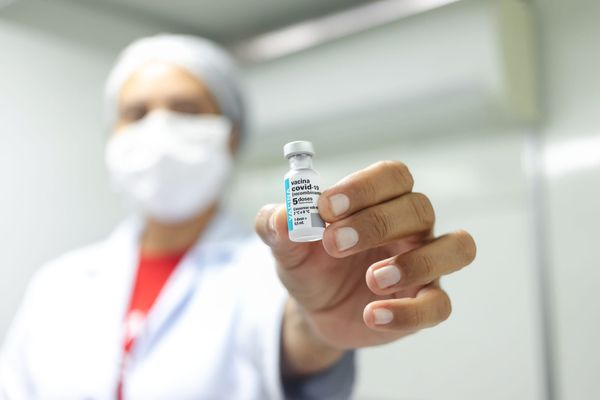
Last month, AstraZeneca announced that they are withdrawing the vaccine from the market. The company said “as multiple, variant COVID-19 vaccines have since been developed there is a surplus of available updated vaccines. This has led to a decline in demand for our vaccine, which is no longer being
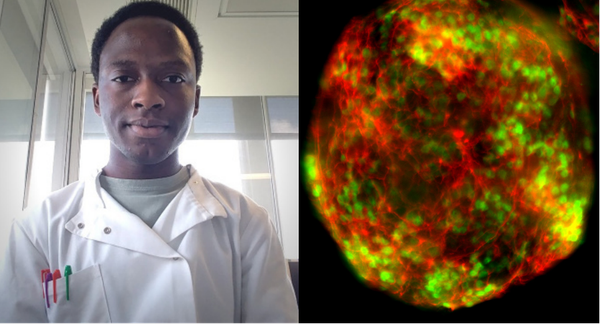
Felix interviews Imperial PhD student, Quentin Smith, on CRISPR-Cas9’s therapeutic potential and the significance of Casgevy approval.
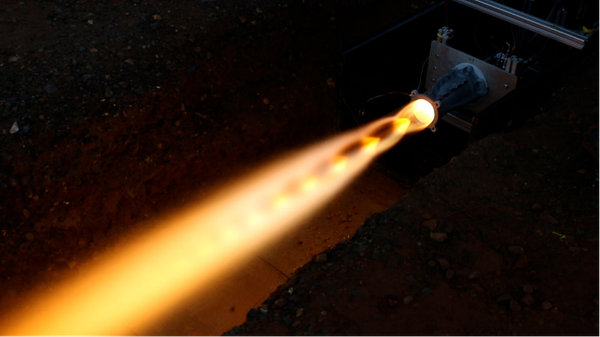
Imperial College London Rocketry test marks one of the first collegiate firings worldwide of a 3D-printed aluminium alloy engine.
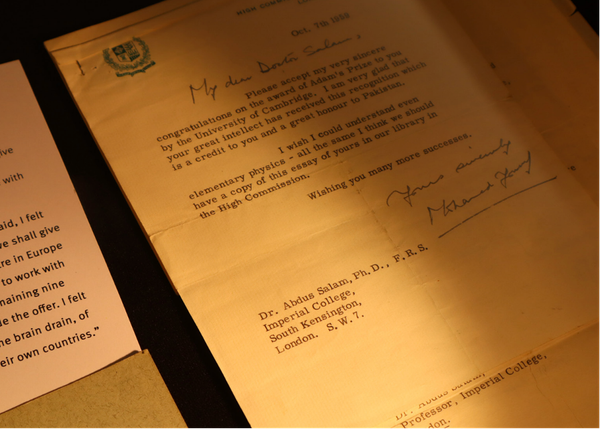
Abdus Salam joined Imperial’s Maths department in 1957, and three years later moved to the Physics department, where he set up the Theoretical Physics group with Paul Matthews.
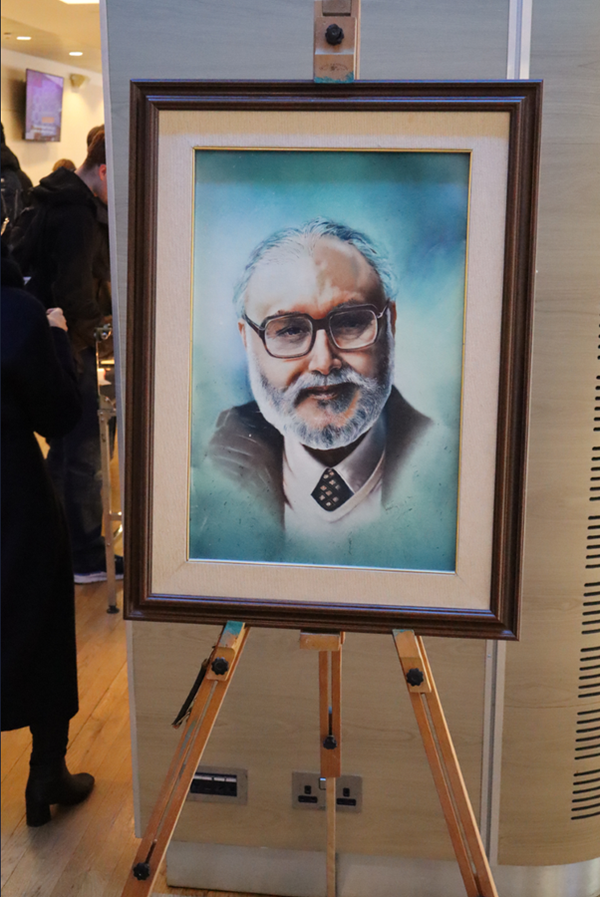
A personal reflection on Abdus Salam’s journey.

Exploring winter halos: a scientific peek into the optical illusion seen lighting up UK skies.
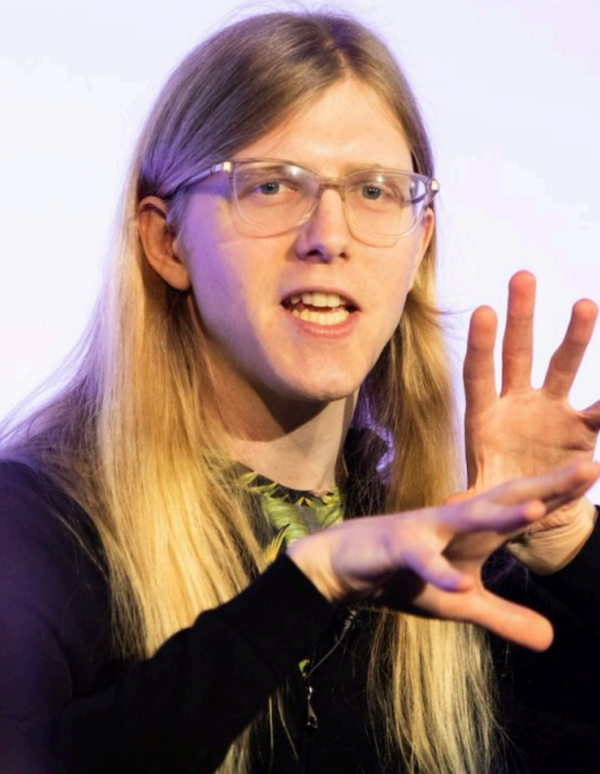
Felix talks with Imperial’s Dr Robin Lamboll to discuss our remaining carbon budget.