The hidden side of psychedelics
Sebastian Gonzato sits down for an interview with Professor David Nutt
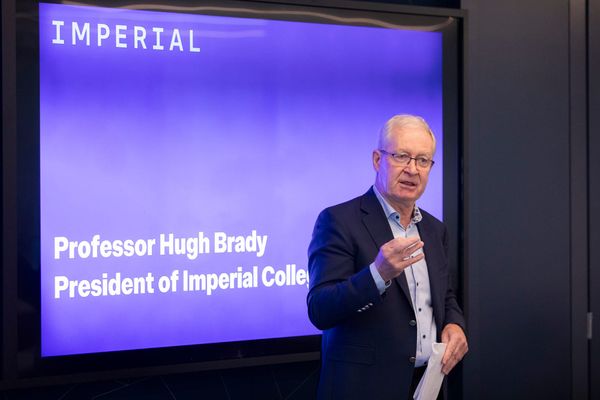
Professor David Nutt has been at Imperial since 2008, and has long been a well-known figure in the world of neuropsychopharmacoloy. He is the head of Imperial College’s own Neuro-psychopharmacology Unit, of which the Psychedelic Research Group is a part. Sebastian Gonzato caught up with him to find out more about what this group does.
What does the Psychedelic Research Group study and to what end?
The group has been around since even before I arrived at Imperial, and it has two aims – to investigate the possible therapeutic uses of psychedelics, as well as to understand the experience of psychedelia. The latter is a very old question indeed. William James, a 19th century American philosopher and psychologist, famously wrote that “no account of the universe in its totality can exist that leaves these [alterations of consciousness] disregarded”. The question then is how to do so? Today we have brain imaging so we are able to, in a way, ‘look inside people’s heads’ and find out what’s happening.
And what effect do psychedelics have on the brain then?
All the psychedelics we’ve investigated – psilocybin, LSD and now DMT – they all induce what we’ve called ‘the entropic state of the brain’. The process of learning involves your brain becoming more rigid, more constrained, but psychedelics disrupts our normal thought patterns by making connections in the brain that aren’t usually there. It’s this entropic state of the brain that we believe give psychedelics their therapeutic value.
How so?
Take a disorder like depression. People who are depressed ruminate over the same depressing thoughts over and over again, but psychedelics can break these patterns. We recently published a study in October where we gave 20 patients with treatment-resistant depression psilocybin in a therapeutic setting. They all experienced a single trip, and all of them experienced some improvement in well-being immediately after. We followed them up after and found that about half of them stayed better after six months, while others relapsed, so we are interested in finding out if a prolonged treatment could help them stay better.
What are the challenges you face in carrying out your studies?
The psilocybin study was in fact a safety study, but we’re unable to do any further studies because psilocybin is illegal. We’ve had the study approved by an ethics committee, but it’s very difficult in the UK to obtain the drug. In other countries, as you may know, this is not the case. Psilocybin is legal (in truffle form) in Holland for example, and there’s a huge industry in illegal treatments using it. That most psychedelics are illegal is a real shame, because we know from our study and others that they could be of therapeutic use. There’s a great amount of historical research into LSD for example. The US government funded 140 medical studies into the drug, but then this was stopped due to the hippie movement in the ‘60s when it was made illegal. In fact, LSD is the only drug which was banned because it changed the way people voted, and the Republican party was afraid of this. We’ve started seeing decriminalisation of drug possession in some countries such as Portugal, but we really need policies that allow these drugs to be studied and allow doctors to decide whether they should be prescribed or not.
Listen to a longer version of the interview here