Transport survey drives in
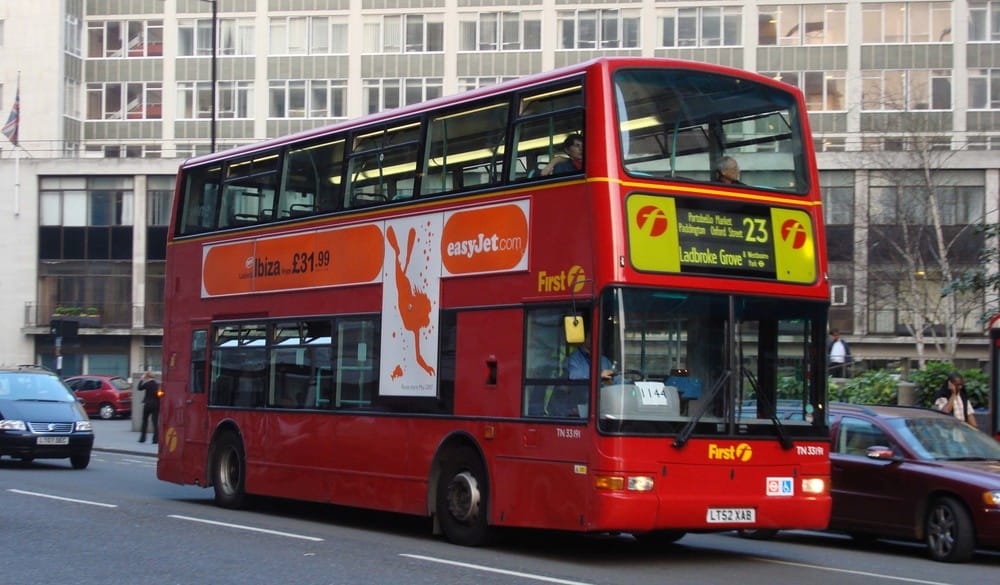
Or it gets the tube, maybe...
As a scientific institution with intense research into energy and climate change, Imperial says it doesn’t take these matters lightly and realises that its everyday activities and operations have a negative impact on the environment and carbon footprint, in particular. Along with other attempts to increase sustainability such as university wide StepChange campaign, which aims to reduce College’s footprint by 20% by 2014, another measure, launched by Department of Energy and Environment, is coming – annual travel survey, which, in addition to staff, also covers students this year.
The aim of the survey is to assess how student and staff members commute to and from College and it comprises many aspects, including expenses, means such as public transport and walking, as well as how long it takes. This year there is a particular focus on a new bike-hiring scheme, which Imperial is planning to introduce, if it proves to be popular. It also looks at other potentialimprovements that will encourage more people to cycle. According to Sara Muir, the staff survey last year showed that people wanted bigger and more secure bike parking and some of these changes have been made as a result. She also notes: “It’ll be interesting to find out when we repeat the survey this year if more people are cycling that reported last year.”
The results of the survey will help to determine how successful current travel initiatives are and to further improve sustainability in future years. For example, last year’s survey showed that Silwood Park is the most difficult site to get to and now Imperial is looking into setting up an online car share website to improve it. Moreover, not only the results of the survey will help to improve theCollege’s own policies, they will also contribute to a bigger picture as they will be part of the Imperial’s report to HEFCE, an organisation responsible for public funding of English universities, which will then feed into the Estates Management Statistics Survey from August 2013, which has been designed to help managers understand current state of affairs, as well as to promote best practice and drive improvement.
Lasting only 15 minutes to, Student Travel Survey is an opportunity not only to make a contribution to the reduction of carbon footprint but also to win a £100 Amazon voucher.