Summer and Smoke sizzles with spectacular sentiment in stunning revival
Rebecca Frecknall directs a winning revival of one of Tennessee WIlliams’ lesser-known plays

It is a time-tested dichotomy – the body versus the soul, the mind, with its emotions and intellect, versus the body’s sensual physical pleasures. The battle between the two is the focus of one of Tennessee Williams’ earliest and rarely-performed plays, Summer and Smoke. In a stunning new revival by young director Rebecca Frecknall, Williams’ lesser-known play is performed in its full emotional intensity, successfully drawing tension out throughout the three hours.
Patsy Ferran delivers a brilliant performance as Alma, a pastor’s daughter and singing teacher whose prudish, formal upbringing leads her to suppress her long-time love for childhood friend and trainee doctor John Buchanan, eschewing physical pleasures for spiritual and intellectual fulfilment. This undeclared love nearly drives her mad, and it is this unspoken tension that Ferran embodies so well. Alma’s nervous laugh and formal diction serve to hide the emotions that are churning inside her. John, on the other hand, represents the body in all its physicality – the fact that he is a doctor, interested in all the guts and ‘ugly things’ that are inside our bodies, is contrasted with Alma’s spiritual background. Matthew Needham, who plays John, has a stare so intense that it almost seems he can see right through Alma and into the turmoil of unfulfilled desire.
Originally called The Anatomy Chart, Williams’ play is full of symbolism and contrasts. The anatomy chart hangs in John’s office, and in one scene he grabs Alma and makes her look at the chart, telling her that there is nothing inside her but organs hungry for food, knowledge and sex – there is none of this ‘soul’ that she repeatedly mentions. John embraces this version of the body, and seeks immediate gratification for his desires, spending every night at the casino, and sleeping with Rosa, the casino owner’s beautiful daughter.
Williams is known for his concept of ‘plastic theatre’: favouring a more malleable theatrical process that relies less on realism and more heavily on the effect of sound, colour, movement and lighting to create evocative images on stage. Frecknall developed this concept beautifully in this production, with fluid scene changes on the same set created using these extra-textual elements alone.
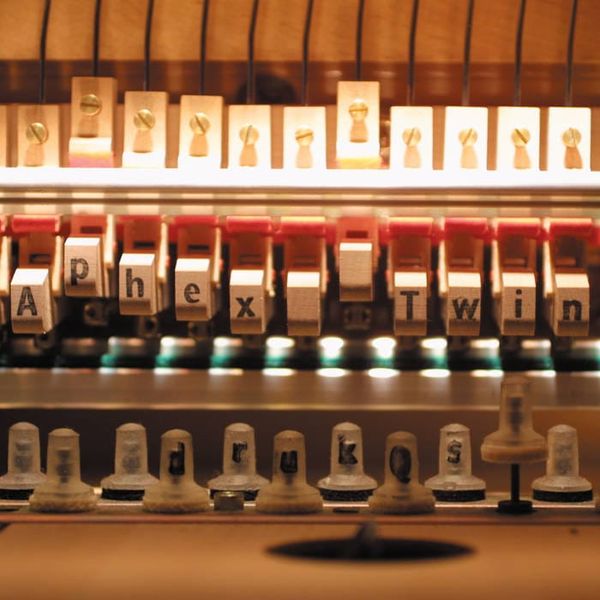
The set itself was fascinating: nine pianos, stripped bare so one can see the strings inside, are arranged in a semicircle bordering a dusty space. The cast play on these pianos from time to time to create atmosphere - Angus MacRae’s score complements and accentuates the tension and emotions perfectly. Dissonant sounds clashing among the pianos bring out Alma’s clashing inner turmoil, while grand, harmonised motifs accompany major scenes and emotional intensity.
Furthermore, the use of light was integral to the show and was cleverly integrated into the piano set. In an impressive touch, fireworks were represented by lights running across the piano strings while gentle bursts of light rose behind the pianos. Indeed, the light and sound design, and the flexibility of a cast moving among pianos making music that threads seamlessly in and out of the scenes, is a unique touch that respects Williams’ style.
The shooting of John’s father, a respected doctor, leads to a dramatic turn of events as John goes off to finish his father’s good work, while Alma, tortured by her conflicting values and desires, withdraws from the outside world. When they meet again, Alma has changed. She is now ready to embrace her desires – the old Alma, the spiritual, sexually-repressed Alma, is gone, she says. ‘The girl who said ‘no’ – she doesn’t exist anymore, she died last summer – suffocated in smoke from something on fire inside her.’
The idea of smoke, its ethereal, ephemeral quality, is stylistically important in the play, as is the fiery quality of summer. Alma’s previous self goes up in smoke, but so do her hopes and desires: because after the shooting John has changed as well, developing a more spiritual outlook on life. He now views his relationship with Alma as a spiritual connection, and attributes his change to something she has inspired. She has become, to him, untouchable like the angel of the fountain under which they meet in the first scene.
This production of Summer and Smoke is excellent all round, and rightly puts the play out there again in an impressive revival with a stellar cast, visionary direction and innovative design.
4.5 Stars
Where? Almeida Theatre When? Until 7th April How Much? From £5. Three free performances in April (<25 years). Normal tickets from £10