Connect with Conservation: how we can all help
In his final column of the year, resident conservationist Steve Allain gives his advice on what we can all do.
Over the past few months, I have been updating you all with a number of conservation stories, both optimistic, and less so. Now, to wrap things up, I thought it would be a good idea to give you all a few ideas on how you can make a few small changes to your daily routine to help save the planet. This does not have to be as drastic as going vegetarian, but can be very simple. I have listed a few ways below that I would like you to consider.
As we have all seen in recent times, plastics are a big problem for the environment, and it is important that we reduce our consumption. To do this when visiting pubs and clubs, do not use straws unless the establishment has biodegradable or plastic alternatives. Likewise, when buying bottled drinks, try to avoid ones in plastic packaging, or make sure you recycle your bottles afterwards if you cannot. If you are similar to me and love a cup of tea or two on your daily commute, then please carry a reusable cup. Not only will you be saving the environment, but many coffee shops also offer discounts to those customers that do. All of these small changes do add up, and once you become aware of the other alternatives you can use, you can significantly reduce the amount of single-use plastic you use and dispose of.
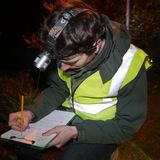
Something else we can all do to help the natural world is get involved in one way or another. There are a number of groups all across the UK devoted to animals and plants of all kinds. All it takes is a quick Google search, so you will easily be able to find a group or two where you can volunteer your time with your favourite animals! This has benefits on both sides: not only will you be directly contributing to conservation, but it can also help your wellbeing. Studies have shown that people who spend time immersed in nature have a better mental wellbeing than those that do not. So, it’s a win-win situation – best of luck getting involved! You never know, you may discover a new passion that drives you to help safeguard a specific part the natural world.