Airbnb and other apocalyptic omens
What Airbnb can mean for local communities, and the larger issues that lie beneath it.
Since I was sixteen, I have spent a significant chunk of my summers working in what feels like a ghost town. The houses lining the street had perfectly manicured gardens, fresh paint jobs, and a tell-tale key box by the front door. Many had cars in the drive and light on in the windows, and yet come winter, they would be boarded up and empty – a hard pill to swallow in a community suffering from housing and infrastructure shortages.
This is the Airbnb effect: the rise of short-term rental properties pushes out long-term renters and drives up housing prices. Over time, this breaks down the local community; amenities shift to target tourists over residents, and the ghost town evolves, packed with transient visitors in the summer and abandoned during the off-season.
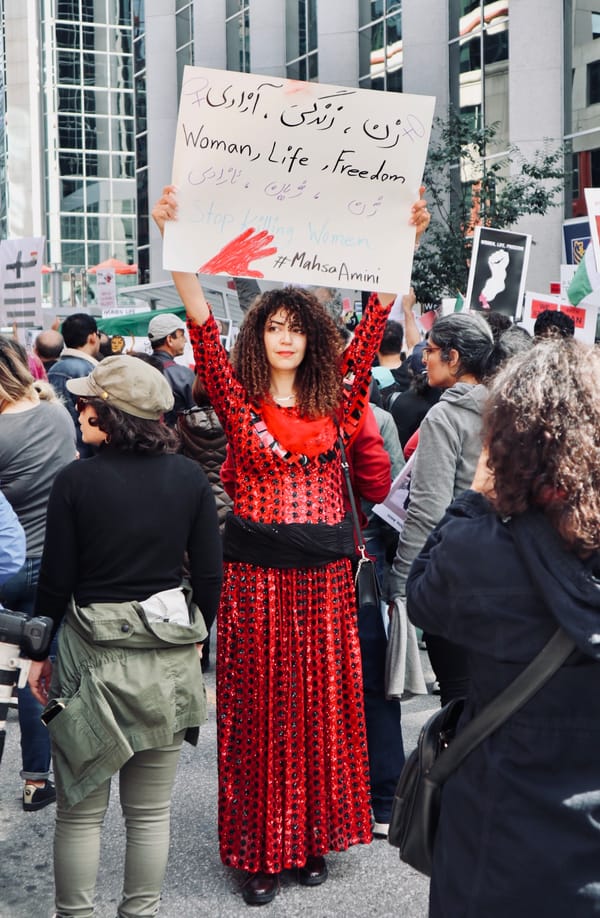
The consequences of the Airbnb effect rose to infamy in the media in the summer of 2025, when Barcelona’s residents came out with placards and water pistols to protest overtourism. One sign read: “El Teu AirBnB era la meva casa” – your Airbnb used to be my home.
The English stereotype of a refusal to protest rings true here: no major protests or movements have arisen to object to this process. And yet it is irrefutable that companies like Airbnb are doing tangible harm to rural communities across the country.
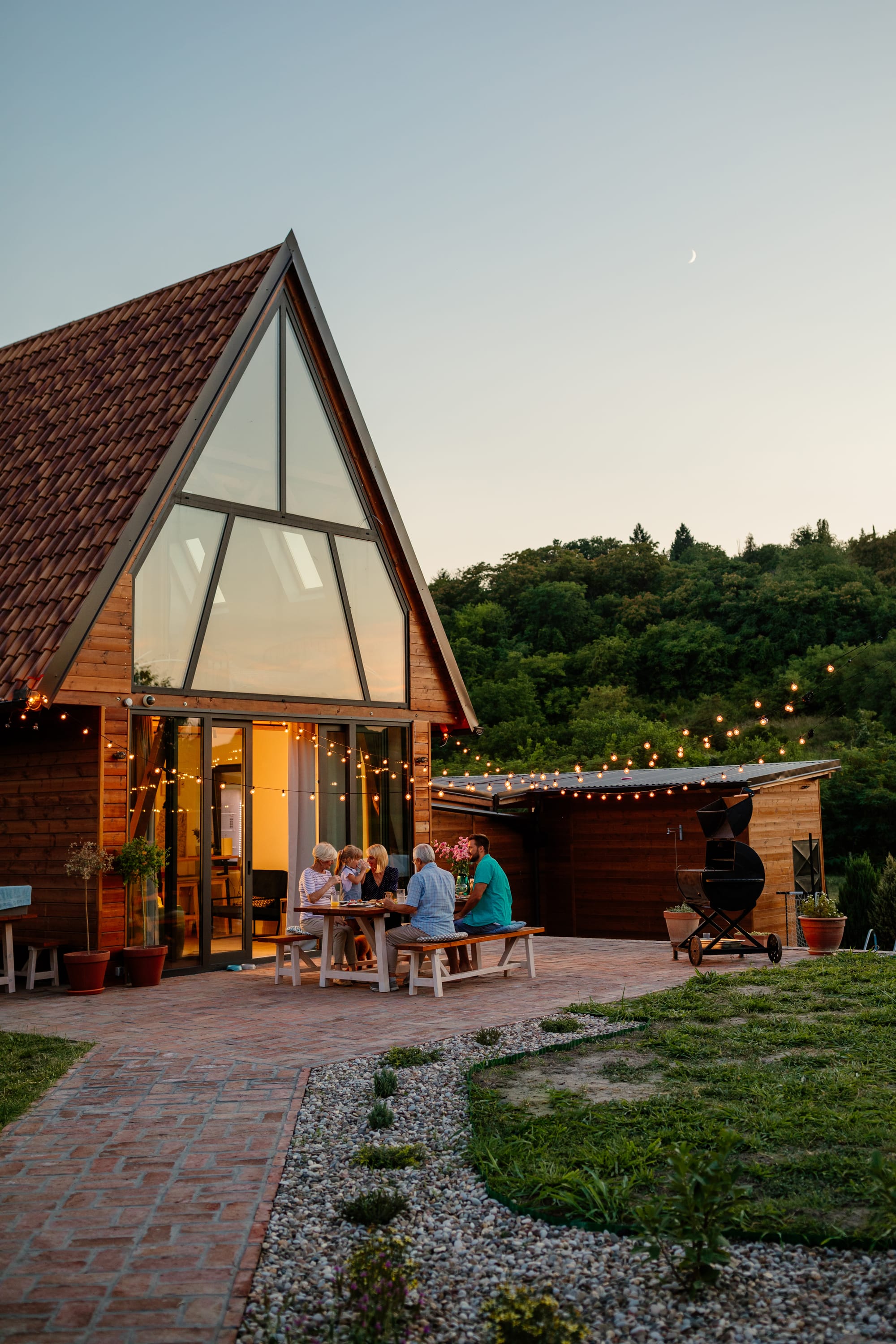
Airbnb currently has over 400,000 properties in Great Britain, a 31% increase since 2019. This number is in stark contrast with the 1.34 million households currently on the social housing list.
The basic fact that such a significant housing shortage can exist in a country in which houses sit empty for half the year begs the question of who the system is really working for. Long-term, the presence of Airbnb reduces the availability of long-term rental properties and drives up housing prices. One study observed that a 1% increase in Airbnb listings leads to a 0.018% increase in rents and a 0.026% increase in house prices. Although these numbers may seem small, their cumulative impact is significant. Over time, young residents who once would have rented or bought within their communities are now forced to leave by soaring rents and in flated selling values.
For a community to survive, a new generation must be able to remain or settle there. When housing becomes unattainable, that community crumbles away.
Although I have used rural communities as a case study, the Airbnb effect is seen in cities just as well. In urban communities, short-term rentals accelerate a subset of gentrification that drives out well-established communities, replacing them with high-income residents and businesses.
As with so many things, this is not just about holiday homes or Airbnb. The disconnect created by a lack of local community is reflected again and again in current culture. Younger generations are being faced with housing markets in which they may never buy a home of their own. A rise in streaming culture means the art we connect with very rarely belongs to us, and cultural moments rarely last.
Although these issues may seem only tangentially connected, they all carry a core theme of disconnect from culture and community: from the places we live, the people we interact with, and the media we consume. In an age of increasing political and cultural divide, losing touch with community drives the divides between us, and as superficial as it may seem, Airbnb and the culture they thrive in serve as an omen for larger shifts to come.