
College considers scrapping Wardens
Student representatives worried by consequences on residents’ safety and welfare.


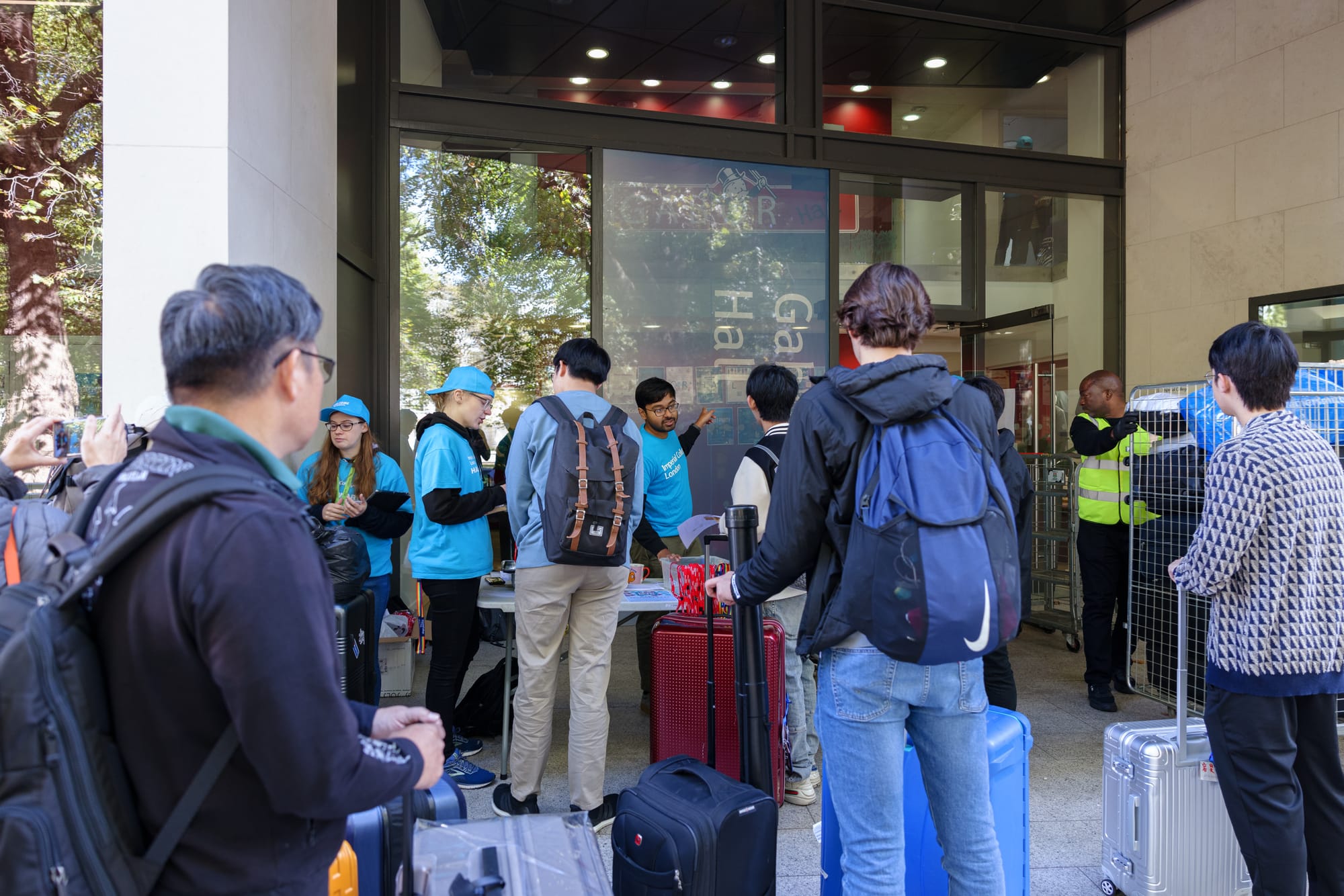
Wardens might disappear from halls as early as September 2026, as the College weighs its options for a sweeping reform of student support in halls.
Each student hall is currently run by a Warden – a member of staff such as a professor that undertakes extra unpaid duties within the hall, including pastoral care and disciplinary matters, in exchange for free on-site accommodation. Wardens usually oversee a team of Sub-Wardens that assist them in their duties, and undergraduate Hall Seniors, who offer occasional help.
As part of the 2024-25 Residential Review, Imperial found that this system was “no longer fit for purpose”, and suggested introducing a team of campus-based “out-of-hours” (OOH) professionals to complement or replace the Wardens. The College said the change was warranted by an increase in the “complexity” of cases faced by Wardens, a desire to extend support students living outside of halls, and difficulties recruiting Wardens and Sub-Wardens.
Two alternative “models” are being considered. A “hybrid” model would see a total of three Wardens remaining in the role across all halls, in addition to five OOH staff, while a “fully professionalised” model would result in the removal of Wardens entirely in favour of an eight-member strong OOH team. In either case, it is unclear whether the number of Sub-Wardens (which would be renamed “Halls Support Assistants”) would be affected, although they are expected to lose their free accommodation and receive an hourly wage instead.
The recommendations were shared by the Deputy President for Activities to student stakeholders last week.
Student representatives interviewed by Felix expressed a range of concerns. “The idea of calling a number when you’re particularly vulnerable and having no idea who’s going to be there can put people off completely,” one student representative said, explaining that lasting and personal bonds with Wardens, formed through proximity and community activities, were essential to give students enough confidence to seek help. “I think that relationship is much more valuable and important to safety than the expertise of [an OOH team].”
Conversely, some students approached by Felix recalled having minimal interactions with their hall Warden and Sub-Wardens, with some being largely unaware of the system.
On 9th March, a group of 19 Hall Seniors and representatives sent and open letter to the Union’s Deputy President for Activities, Anson To, arguing that an OOH team of no more than eight members was “far too small” to provide assistance to all students, and that a central location would make it difficult for its members to reach distant halls promptly. It also deplored that “students appear not to have been consulted” on the proposed changes.
“[I]f the university is truly concerned about student welfare, the priorities should focus on strengthening Imperial’s counselling and mental health support services,” the letter read.
Students with special medical or wellbeing requirements can apply to remain in halls after their first undergraduate year. On-site Warden teams deal with a range of issues, from noise disturbance complaints to suicide attempts, to which students with complex needs might be particularly susceptible. One student officer told Felix that removing Wardens might be a “deal breaker” for at-risk students, adding that both current students and applicants “might not feel like they can then continue their studies at Imperial.”
“I agree that having someone more specialised in mental health can be really important because it can be quite a heavy thing for a Warden to deal with on their own,” another student representative told Felix. That representative believed the solution was to give Wardens more support within the current model: “Actually, if we reduce the number of Wardens, it’s going to make it even harder.”
The timeline for proposed changes was also criticised. Imperial’s Residential Review found that the best time to implement the hybrid model was September 2026, and alternatively suggested implementing the professionalised model in September 2027. One representative called it “very very rushed”, insisting that many students are still unaware of the proposed change.
Removing Wardens, who typically live in more spacious “flats” to accommodate their families, could free “more student bed spaces”, according to the Residential Review. The Hall Seniors’ open letter denounced this objective, which one student officer likened to a “cash grab”.
In 2017, the University of Bristol announced similar changes to its halls of residence while Professor Hugh Brady was Vice-Chancellor. The university planned to replace traditional live-in wardens with a new “Residential Life Service,” where support would be delivered through several centralised hubs across the city staffed by professional advisers. The changes were expected to save £800,000.
However, following backlash by protesting students and staff at a time where the university was under scrutiny for several student suicides, the plan was revised to more than double the number of live-in mentors offering 24/7 support.