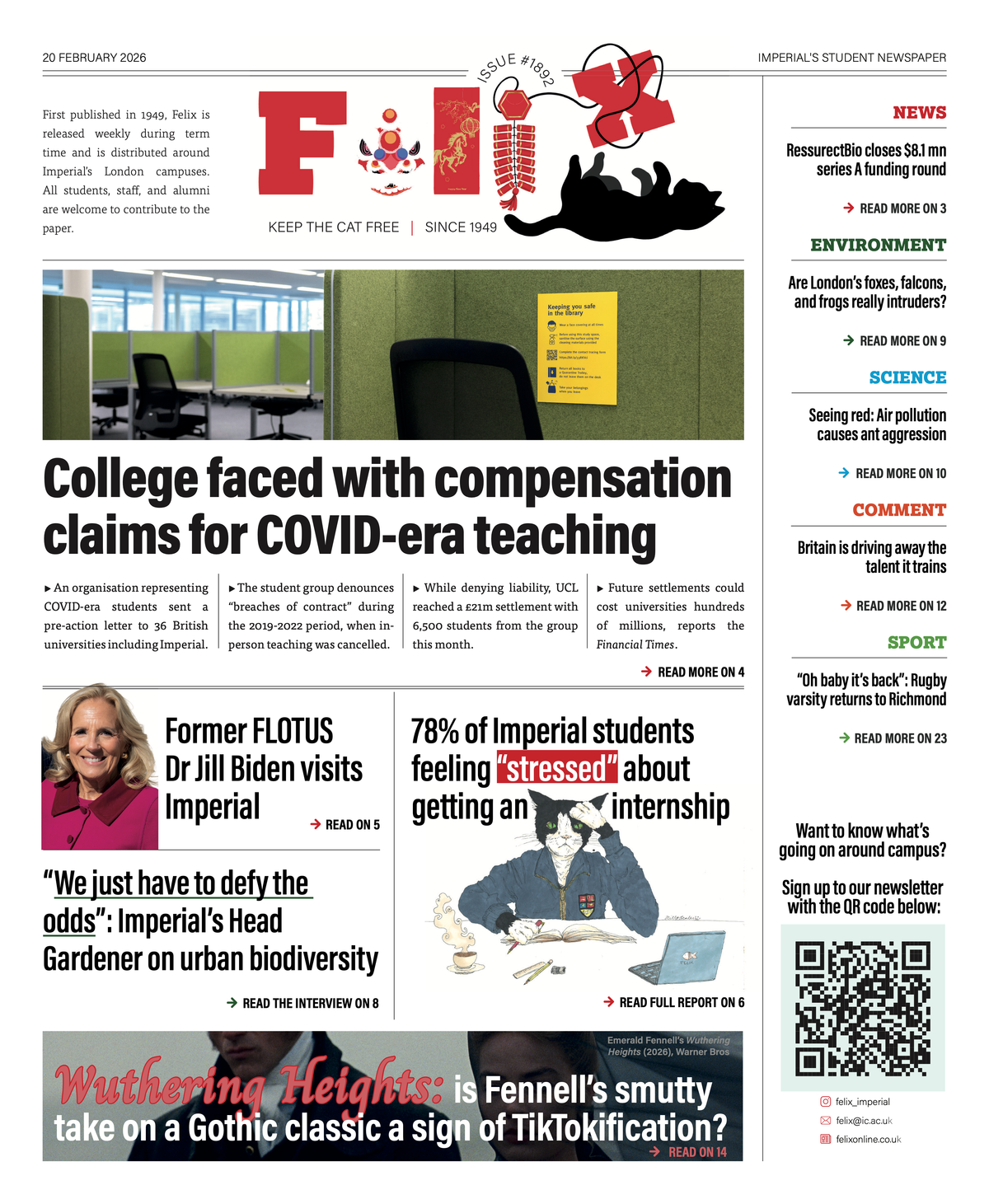
Interview with Lucy Hand, Head Gardener


Can you tell me a little bit about your background and how you ended up being a gardener and at Imperial?
I originally wanted to combine art and plants; that was my original desire. I studied as a Horticulture and Landscape technician. It’s a combination of design, landscape design, and horticultural expertise. They’re meant to sit under a landscape architect, but very quickly I went into the environmental side, so tree preservation and gardening, so maintenance and conservation and developing gardens into more diverse elements.
It was the dawning of environmental awareness, the decline of so much of our green environment, and then some of the environmental issues, which are much more pressing now: climate change, the degradation of forests and our green cover, and all those urban elements that are pressuring our way of life and our sense of well-being – the species loss that we’re facing as well, both green and animal species. It was the whole culmination that led me to where I am now.
I’ve worked for charities – an environmental charity – in London. [I] taught people horticulture – people with long-term unemployment, mental health issues – using green studies as a platform to repair, recover, and try to gain employment. It was always in community spaces and trying to improve community spaces for the benefit of the community. I did that for about eight years, and that was a fantastic job to help improve people’s lives and just improve the local environment and people’s lives who actually live in it.
I have a lot of awareness of urban pressures, urban issues, working with community groups, friend groups, developing gardens, community spaces, and supporting them to grow bigger and get more active.
My title is Biodiversity and Landscape. So, ‘What’s existing? Let’s look at that, make it better, and make everybody appreciate their spaces more and develop the biodiversity side.’ So, developing new gardens – Beit, Secret Garden, Queen’s lawn meadow – planting schemes with a small team of staff, of contractors, but also then using volunteers, running workshops and activities to promote greening in the campus, and engage with students and staff. It’s just taking on all those challenges and trying to think of creative ways to green areas and engage with lots of students and staff.
You’ve mentioned biodiversity a lot – how does biodiversity exist in an urban city like London?
Absolutely, but what’s interesting is we actually do have a lot of green spaces for an urban city. So yes, there are lots of urban elements and that’s become one of the challenges of my job. You need to understand lots of the challenges that do exist with the pressures of people needing to live, people needing to travel; we need more housing, constantly, more infrastructure as our population is increasing, and we have to figure out how we can still try to create green spaces within our urban elements. Then, you’ve got all the issues that face any planting, and climate change is affecting how you try to manage those, with conditions that you thought were quite regular and are now changing.
I’m looking at some of the urban challenges of space, hard surfaces, the amount of rain that you can get in between buildings, heat, radiation, pressure, drainage... It’s really just trying to work within the constraints of what is there.
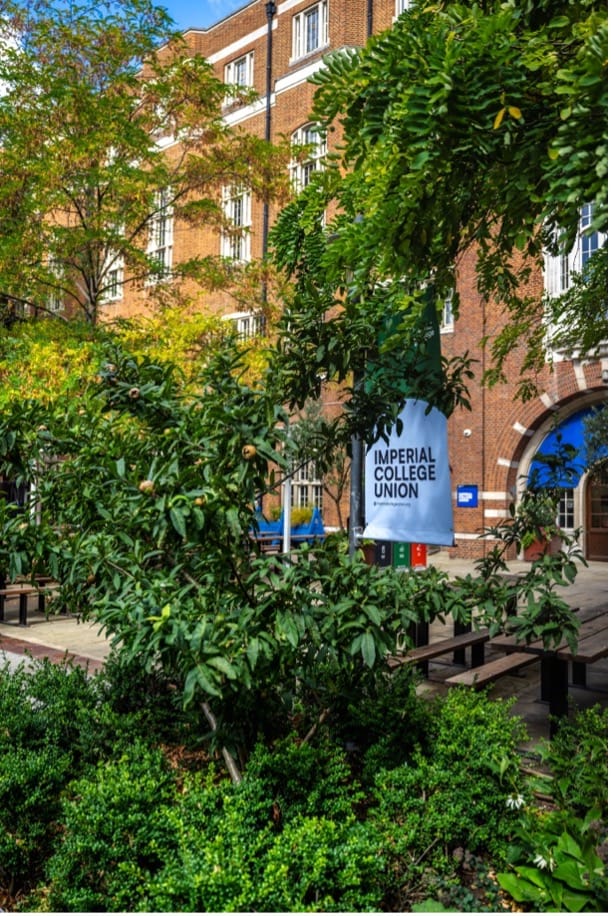
We’re trying to be creative all the time on how to be better and improve the diversity of species within those urban constraints. If you look at Beit, that is a classic example. There were two, three species, one hedge, a couple of trees, and grass. What can you create with creative thinking and some expertise, some funding but also the engagement of the Student Union? The Union had input on planting: what would work, what would benefit the students, and what is functional with it being a very busy space as well. You just have to just factor all that in and cut and be creative with what is a reasonable solution, but it’s been very successful. Now, there’s about 70 species, and that’s really what the greening strategy is about: providing those examples that it can be done. There’ll be some modifications and some level of compromise and it’s still a very functional space, but it demonstrates it’s doable, and it makes people think, ‘Okay, we can do it.’
Sometimes you feel like, exactly as you said, ‘It’s so built up, how can we ever have biodiversity?’ But we just have to defy the odds and take on the challenges.
Can you share with us a bit more about your title – what does it mean to be Head Gardener, and also take care of biodiversity and landscape?
What that explains is the duality of the role: looking at managing the existing, improving maintenance and management, and developing green spaces – either improving what’s there, or adding more green spaces to actually take on that biodiversity strategy and biodiversity element which is so vital to improving green spaces for the benefit of people, and obviously the benefit of the environment.
Quotes lightly edited for readability.