May the 4th be with you
From a desert planet in 1977 to a galaxy that just keeps expanding, here’s your guide to the best of Star Wars, old and new.

Every year on the 4th May, the galaxy far, far away feels a little closer. The pun Star Wars fans use – “May the 4th (Force) be with you” – is corny in the best possible way. With the franchise’s first theatrical film in seven years arriving on 22nd May and the new animated series Star Wars: Maul – Shadow Lord receiving glittering reviews, Star Wars Day feels less like a calendar quirk and more like the start of something genuinely exciting.
The films that started it all
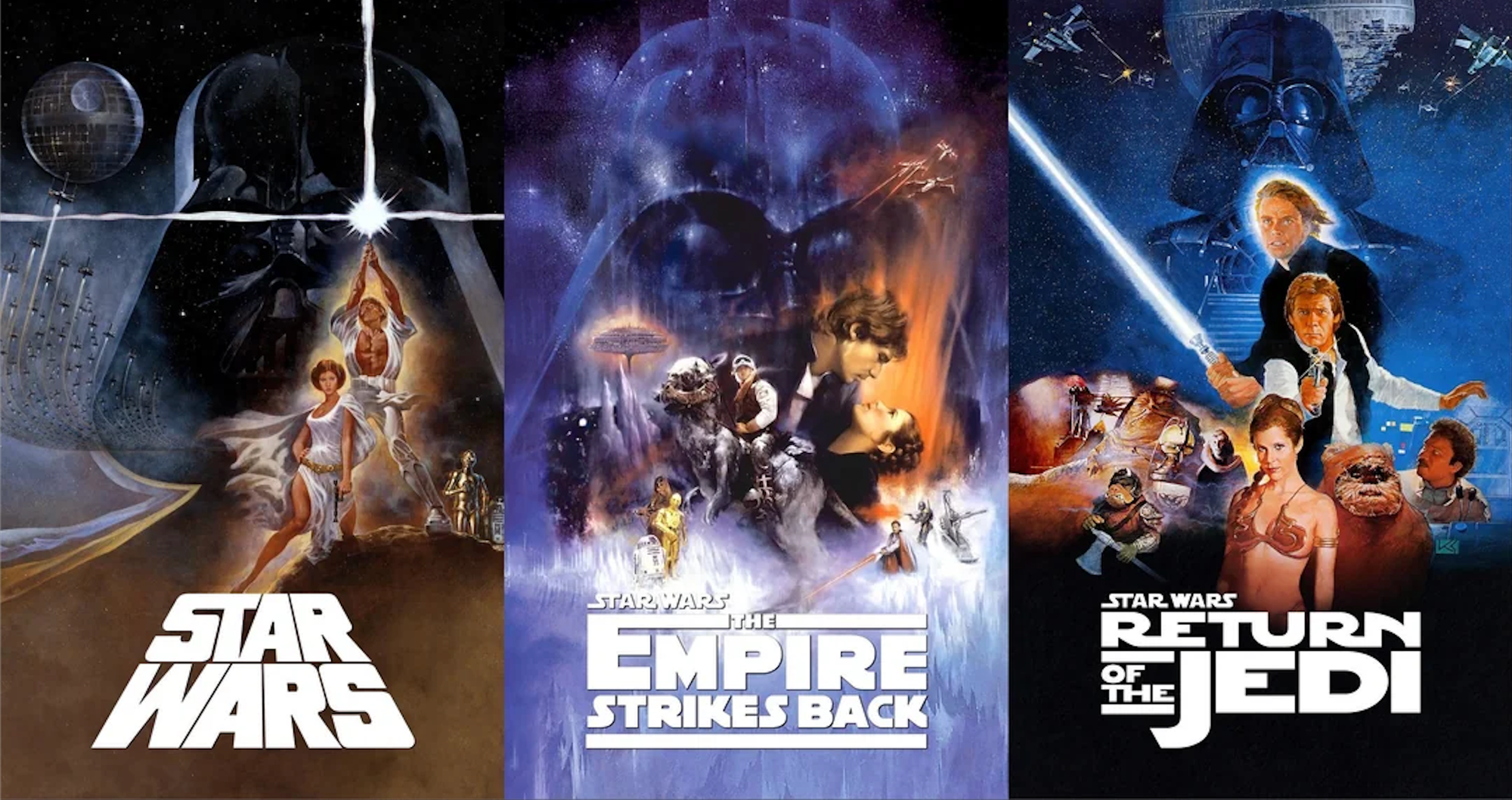
The original trilogy – A New Hope (1977), The Empire Strikes Back (1980), and Return of the Jedi (1983) – remains the gold standard to this day. Many of us weren’t around to see A New Hope debut in cinemas but its release revolutionised cinema with its unique stories, ambitious special effects, and incredible worldbuilding.
The trilogy follows the story of a boy named Luke Skywalker, who embarks on a journey both to become a force-wielding Jedi and to help the Rebel Alliance overthrow the villainous and oppressive Empire ruled by the evil Sith. Luke is helped by his friends, Princess Leia Organa of Alderaan, a key figure in the Rebel Alliance, and Han Solo, a charming, forever-in-debt bounty hunter who is reluctantly dragged into heroism.
The movies of the original trilogy introduce us to some of the most well-known characters of all time, with both protagonists and antagonists being household names. To the modern audience, the antique special effects and slow fight scene choreography may seem outdated; however, this does not at all take away from the charm of the original story, which is a classic anyone can return to, from a certain point of view.
The beloved prequels
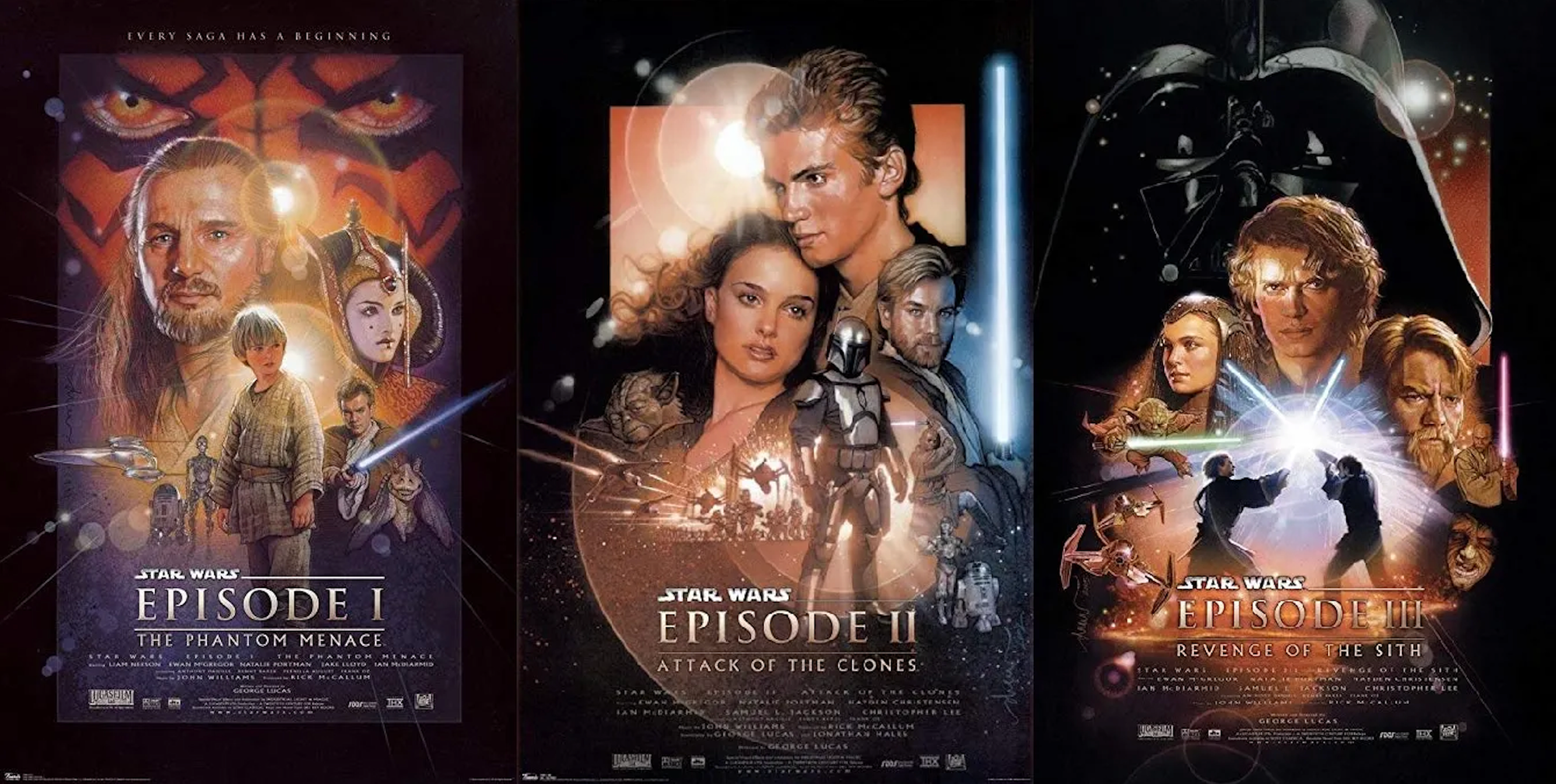
The prequel trilogy – I: The Phantom Menace (1999), II: Attack of the Clones (2002), and III: Revenge of the Sith (2005) – has inspired varying opinions in different generations of audiences. It is often the case that sequels, prequels, and spin-offs disappoint the audiences of the original stories, much like how a film adaptation of a book will always offend some original readers. The same can be said for Star Wars. That being said, the prequel trilogy has been received well, particularly by younger generations who have come to appreciate the tragic story of Luke Skywalker’s father, Anakin Skywalker (Hayden Christensen). Christensen‘s performance received much critique at the time, many discussions debating whether it was wooden acting or a poor script to blame for some of those scenes that leave us cringing in our seats. Despite this, Anakin has become one of the most popular characters in the franchise and no-one can deny that Christensen’s mastery of lightsaber duel choreography is a defining feature of the prequels’ success, particularly in Revenge of the Sith. In the prequels, we are introduced to a younger Obi-Wan Kenobi (Luke Skywalker’s first mentor in the Force). The complex brotherly relationship Obi-Wan has with Anakin adds to the emotional depth that climaxes at the conclusion of the prequel trilogy.
The prequels also provide a glimpse into the Star Wars universe before the fall of the Jedi Order. This allows us to see a time when the Jedi were still abundant and not practically extinct. These Jedi include some well-loved characters of the original trilogy, including Master Yoda (Luke’s mentor to complete his training). It also introduces us to the complex political system at the time, allowing us to see how the cracks in this system and in the Jedi Order itself led to their downfall and the rise of the Empire.
Meanwhile, the most recent sequel trilogy (2015–2019) is a more complicated inheritance. In simple terms, they’re quite bad.
The animated crown jewel, The Clone Wars
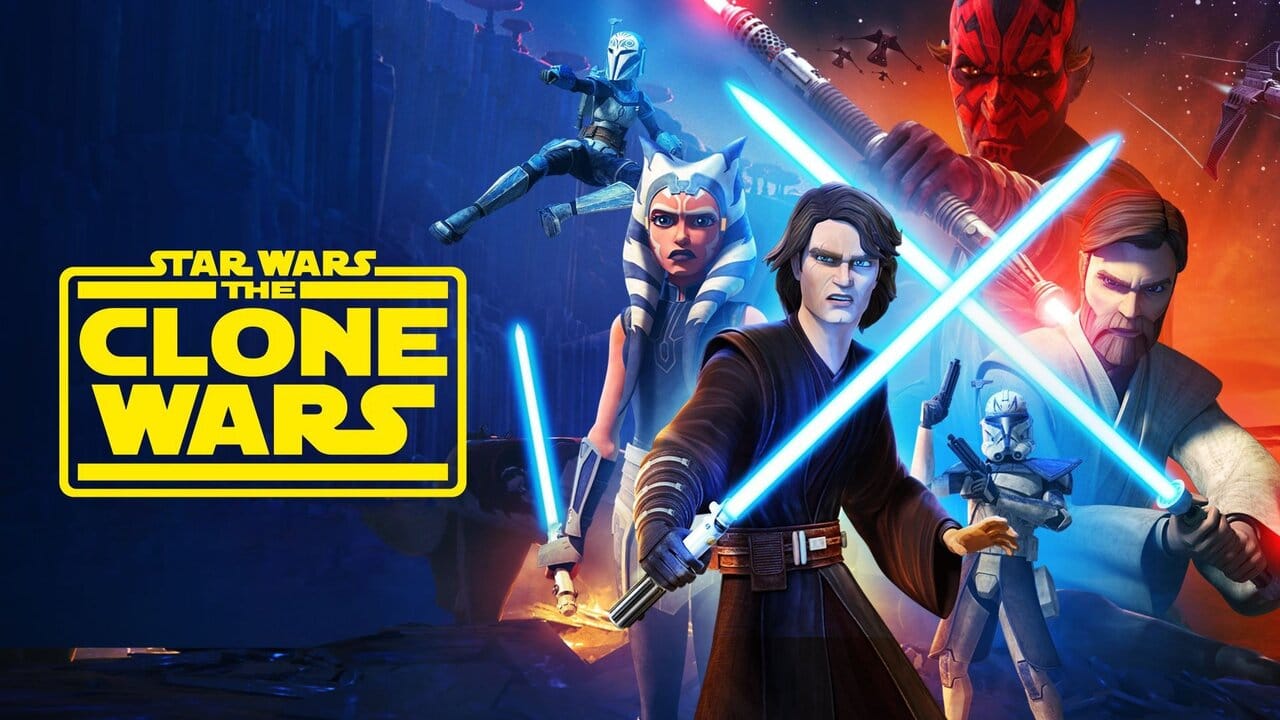
George Lucas and Dave Filoni’s The Clone Wars (2008–2020) is, without qualification, some of the finest Star Wars storytelling ever put to screen. The Clone Wars bridges the gap between Attack of the Clones and Revenge of the Sith, portraying a three-year conflict between the Galactic Republic, who sought to maintain a peacekeeping democratic union, and the Separatist Alliance (Confederacy of Independent Systems). The Grand Army of the Republic, under the Senate and the Jedi High Council, is led by clone troopers created from the DNA of Jango Fett – a Mandalorian bounty hunter introduced to us in Attack of the Clones. Throughout the series, they battle against the droid army led by the Sith and Separatist leaders.
What makes this series essential to understanding the Star Wars franchise is its emotional appeal. It not only adds depth and context to its plots, especially from episodes I–III, but also allows the viewer to sympathise with individual characters by following them from season 1 through 7. Anakin Skywalker is portrayed in ways the films never quite achieved, and we are introduced to his Padawan (Jedi apprentice) Ahsoka Tano. Ahsoka is a character originally unique to this show, later getting her own TV series, and we see her grow from a young Padawan into one of the most iconic and beloved figures of the franchise. Moreover, the clones here do not mindlessly obey orders – they are individuals with distinct names and personalities, who fight side by side with the Jedi knights and form strong friendships with them.
Don’t be put off by the animation or the fact that it’s technically a “kids show.” The Clone Wars covers seriously relevant themes ranging from war, politics, centralisation of power, friendship and betrayal, to moral ambiguity. Through a deep exploration of complex new worlds, such as Mandalorian culture and bounty hunters, systemic flaws are exposed and characters are expected to navigate the unknown. Additionally, each episode hides a moral lesson within it. The fight scenes, particularly lightsaber duels, are more creative and almost even more realistic than the films’ because you can experiment more with animation.
But most importantly, don’t mistake the Republic for the Republicans (and Trump certainly isn’t a Mandalorian).
An outstanding standalone film, Rogue One
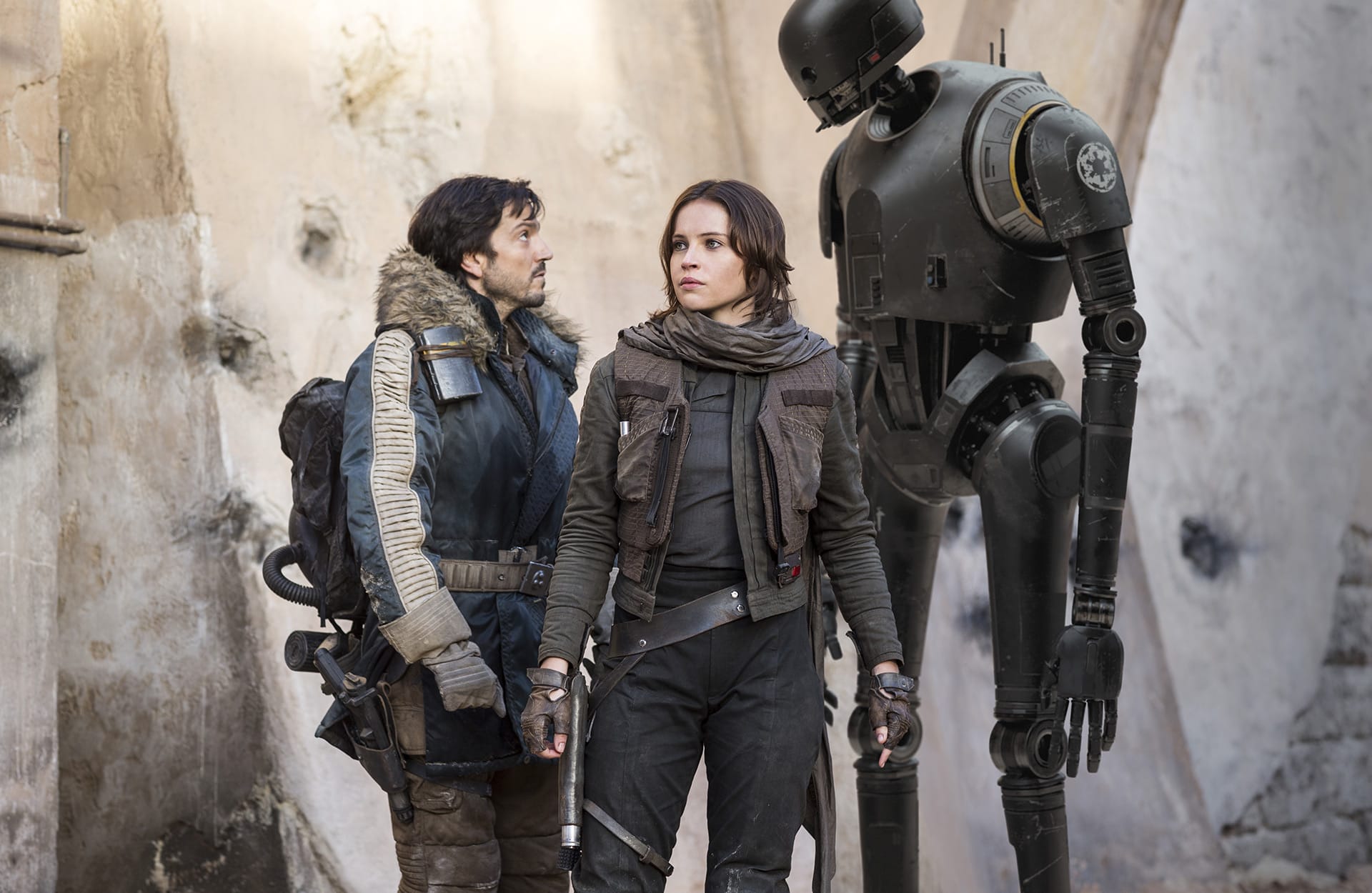
Released in 2016, Rogue One: A Star Wars Story remains the best argument that the franchise can thrive outside of the Skywalker saga. Set immediately before A New Hope, it tells the story of the rebels who stole the Death Star (planet-killing weapon) plans – and it does so with a grit and moral resonance that feels refreshingly authentic. Nobody in this film wields a lightsaber for more than thirty seconds. Nobody needs to, except for Darth Vader of course.
Following the story of rebel spy Cassian Andor from the film, the Emmy-winning TV series Andor (2022) is widely considered one of the best pieces of Star Wars media since the original trilogy.
The Mandalorian & Grogu
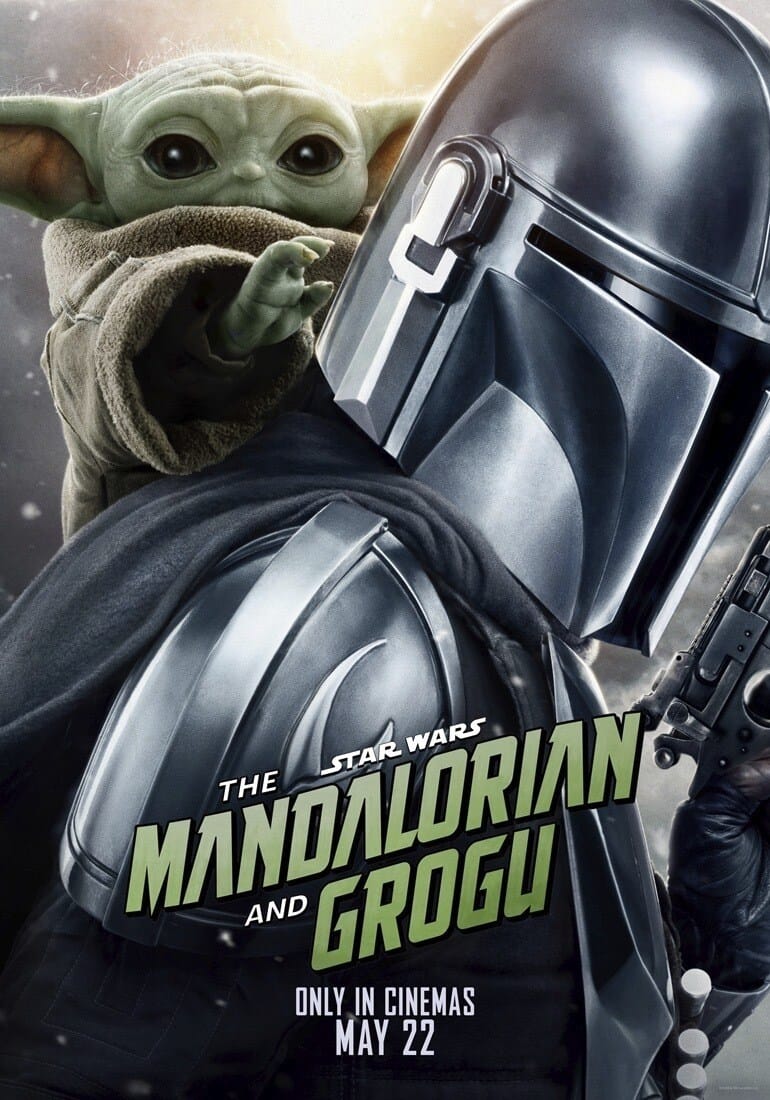
When The Mandalorian launched on Disney+ in November 2019, few expected it to become a cultural phenomenon. The simple story following a taciturn bounty hunter in Beskar armour and a creature that looks like a baby Yoda somehow worked well. In terms of acting, Pedro Pascal brings warmth and physicality to a character who spends most of his screen time masked. The show restored faith in Star Wars at a moment when the sequel trilogy had left many fans fatigued, relying on robust visual storytelling and character-driven adventures.
The Mandalorian & Grogu (2026), directed by Jon Favreau, picks up the story of Din Djarin and his young ward as they’re enlisted by the New Republic to rescue Rotta the Hutt (voiced by Jeremy Allen White) in exchange for valuable intelligence. Sigourney Weaver joins the cast as Colonel Ward, a New Republic officer with a history fighting the Empire. The film marks a significant choice by Lucasfilm: rather than launch an entirely new story, they’ve chosen to bring the franchise back to theatres on the strength of characters audiences already love deeply. With Ludwig Göransson returning to compose and Dave Filoni co-writing, the creative continuity from the series seems intact.
Obi-Wan Kenobi and Ahsoka
The Obi-Wan Kenobi limited series (2022) has also been relatively well-received. The story follows a middle-aged Obi-Wan who must rescue a kidnapped ten-year-old Princess Leia Organa, while coming face to face with the notorious Darth Vader. The miniseries bridges the gap of Obi-Wan’s story between the trilogies well, diving deep into his trauma and loss. Ewan McGregor once again gave us a brilliant performance, with the highlights of the series being the developing relationship between Obi-Wan and Leia, the intense, emotional stand-offs with Darth Vader, and the return of the high-quality duelling seen in the prequels.
The Ahsoka series (2023) was highly anticipated due to the popularity of the main character of the same name. The show did not quite deliver as expected, however, with many viewers criticising the inconsistency of headpiece design with that of the animation. The duelling sequences are not impressive and the storyline doesn’t keep you hooked. However, this is made up for by the famous episode where Hayden Christensen, after 20 years, reprises his role as Anakin Skywalker (debated whether as a memory or a Force Ghost).