Paris, Texas (1984) vs. Possession (1981)
A study of emotional collapse and marital breakdown in Paris, Texas (1984) and Possession (1981).
In the early 1980s, two films were released – Wim Wenders’ Paris, Texas (1984) and Andrzej Żuławski’s Possession (1981) – that offered radically different visions of what emotional and marital collapse looks like. One drifts across the dusty openness of the Mojave Desert and American Southwest, and the other thrashes inside the cramped apartments of a divided Berlin. Together, they form an accidental diptych, two ways of breaking down: one is defined by silence and retreat, and the other by hysteria and grotesque transformation. Nowhere is this difference clearer than in the fate of the couples’ sons: in one film the next generation offers the possibility of repair, while in the other it inherits the trauma.
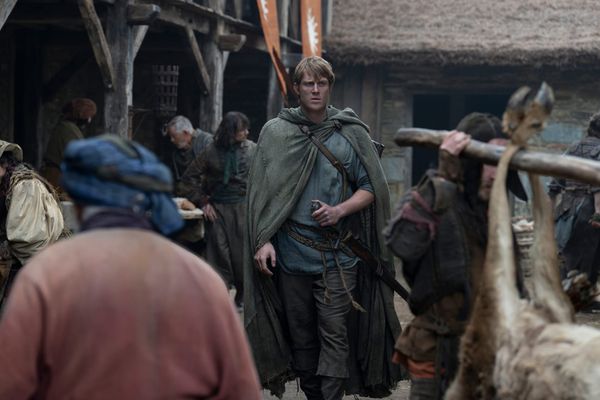
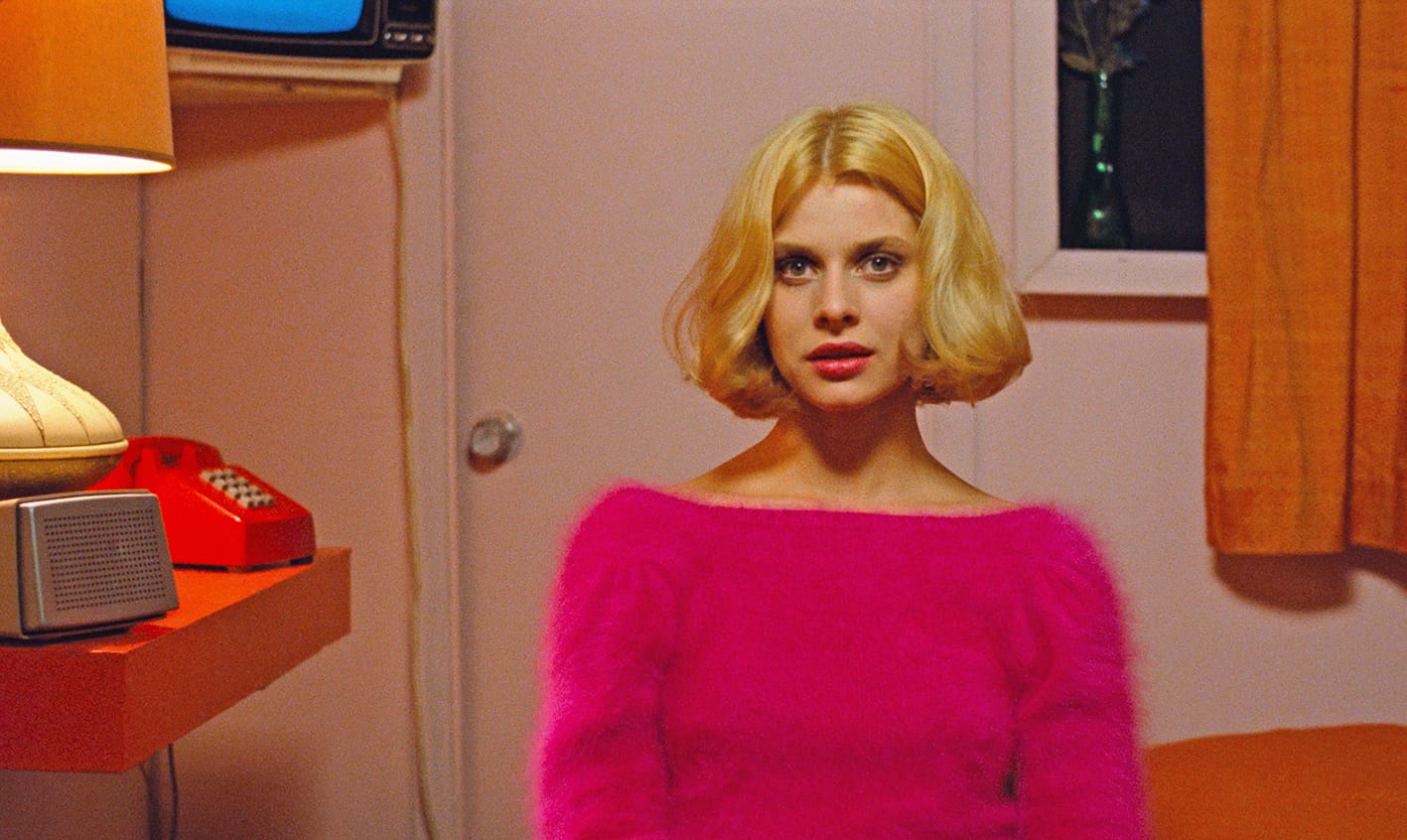
Paris, Texas follows Travis Henderson (Harry Dean Stanton), a dishevelled drifter who emerges silently from the Mojave after a four-year disappearance. Upon reunification with his brother, Walt (Dean Stockwell), he reconnects with his son, Hunter (Hunter Carson), who has been in the care of Walt and his wife. Together, Travis and Hunter search for Travis’s missing wife, Jane (Nastassja Kinski), and attempt to put his life back together.
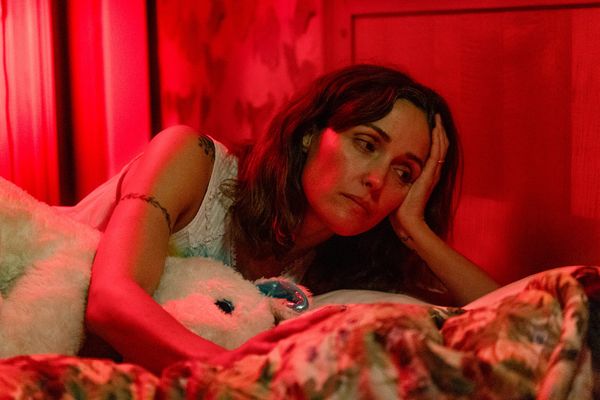
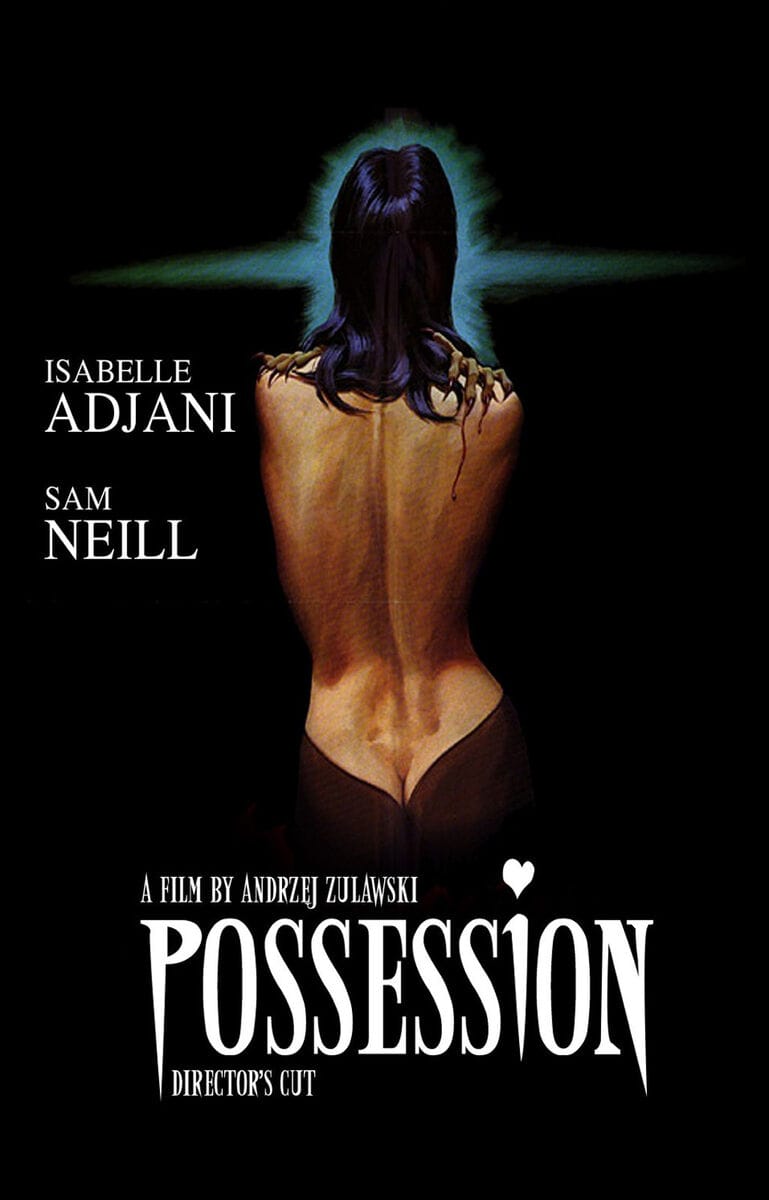
In Possession, intelligence agent Mark (Sam Neill) returns to West Berlin to find his wife, Anna (Isabelle Adjani), demanding divorce after revealing she is having an affair. She quickly leaves Mark and their son, Bob (Michael Hogben), devastating them both. This leads to erratic, visceral breakdowns, infidelity and a series of shocking events involving doppelgängers. Anna and Mark both descend into madness, and it becomes clear Anna is hiding a much greater, inexplicable secret.
Cinematic language, performance and emotional expression
Both films depict emotional collapse, but they approach the topic through opposite cinematic grammars. In Paris, Texas, the landscape acts as an emotional X-ray. Wenders films the desert as an enormous absence, a place where pain expands into the horizon, thins out, and becomes almost breathable. The film is teeming with beautiful silent shots of Travis wandering through these wide, uninhabited spaces, as though the land itself holds what he cannot articulate. Emptiness, distance and silence become Wenders’ primary cinematic tools. Contrastingly, in Possession, Żuławski’s divided Berlin closes in like a fist. Shots of wide, completely deserted streets cut to those of claustrophobic subways, and apartments, becoming containers for Anna and Mark’s disintegrating marriage. The contrast between the free, spacious outside shots and the claustrophobic up-close internal shots mirrors their relationship, which suffocates all those involved. Żuławski is at his most powerful when he is using overload, hysteria and rupture to portray emotions and ideas. While Wenders turns emotional collapse into open space, Żuławski compresses it until it curdles into madness.
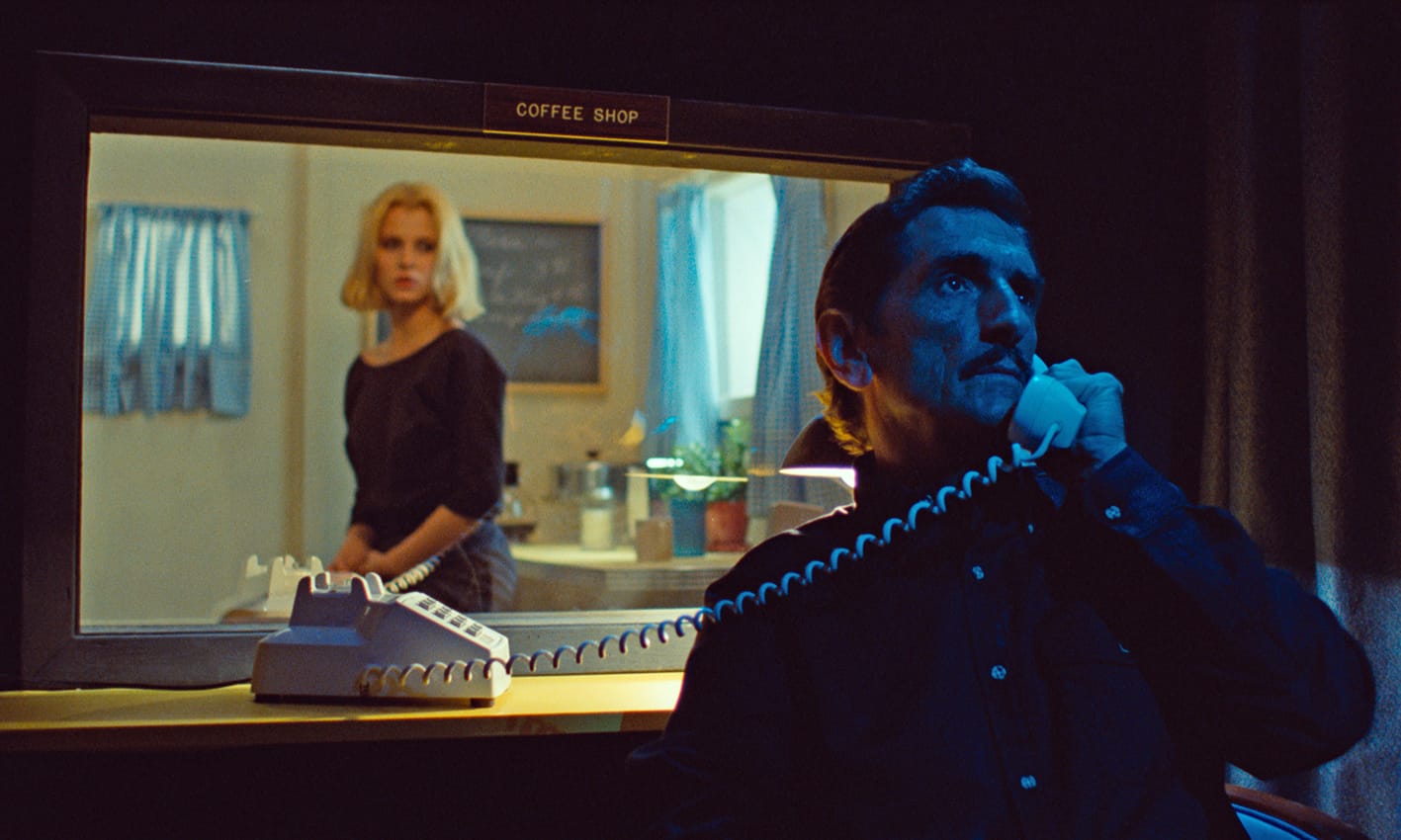
The films have distinctly different manifestations of the concept of collapse. Wenders uses withdrawal to show pain, whereas Żuławski uses excess. Paris, Texas drifts away from the world, but Possession violently erupts against it. The emotional strategies are vastly different. Wenders utilises long takes, muted performances and quiet, austere landscapes. Every actor’s offering is subtle whilst maintaining its power. This is exemplified in Jane’s iconic monologue to Travis when they are reunited, albeit with a pane of mirrored glass between them. Kinski delivers one of film’s most emotional performances without ever having to raise her voice or outright state what she feels; her facial expressions and tone of voice do all the heavy lifting. Her performance is only amplified by the brilliant script, thanks to Sam Shepard’s poetic and minimalist dialogue, and the monologue allows a profound exploration of longing and an authentic portrayal of damaged characters. The dialogue excels so greatly because it favours emotional subtexts over lengthy exposition and actually utilises the backdrop of the American West to create a haunting and intimate experience. This scene is further strengthened by the excellent cinematography and direction. Not only is Jane on the other side of the glass, but she also positions herself to have her back to Travis, not looking at him once. Wenders uses staging to create distance between the characters, all the while positioning the camera so the reflection of one character’s face was often superimposed onto the body of the other, reconnecting them even if neither Jane nor Travis realise this themselves.
By contrast, Żuławski employs a much choppier filming and editing style, often jumping from one camera angle to another. In the scenes where longer takes are used, the camera twirls and twists around, creating a much more unstable atmosphere. Suffering becomes grotesque and operatic, with the cinematography being able to distort the typical flow and dehumanise the characters. Żuławski’s bold style is epitomised in Anna’s infamous subway scene. Anna is (presumably) coming home from a grocery store via train, and as she is walking through the subway an intensely visceral sequence begins. Anna suffers a violent, supernatural and agonising miscarriage/seizure characterised by extreme screaming and bodily contortion. Anna throws her shopping at the wall and begins contorting violently, falling on the floor, howling and writhing around in pain. This climaxes with her bleeding from the ears and mucus-like fluids pouring out of every orifice as she horrifically miscarries. Adjani’s commitment in this scene is second to none, with extreme raw emotional intensity rarely seen on screen, without which this scene could have easily veered into parody territory. Adjani’s intense physicality was the perfect script for Żuławski bold, violent vision, although she has stated that it took her years to recover from this film, feeling “bruised, inside out”.
Forms of breakdown
Travis and Jane lose each other through silence and wounds, whereas Anna and Mark lose each other through obsession and monstrosity. In Paris, Texas it is revealed that the marriage weakened over time through neglect and emotional distance before turning sour as Travis turns toward alcohol. There was a slow erosion of intimacy that led to the relationship’s demise. After everything, Travis and Jane still love each other, but they recognise they cannot be together. The end is final; Jane flees and takes Hunter while Travis just disappears, not to be seen for four years. The pain is directed inward, neither Jane nor Travis finding happiness in their period apart. Travis’s pain is manifested in his obsessive walking through the expansive wilderness in complete silence, all in pursuit of reaching Paris, Texas to find a plot of land he bought many years prior. He believes that when he reaches it, he will be able to rebuild his fractured life in this mythical, idyllic place. Paris represents not only a mythic return to his roots – a place to begin again after losing his family due to his jealousy and alcoholism – but also an opportunity for redemption. After Jane and Travis’s final meeting, Jane is reunited with Hunter and the cycle is broken – Hunter no longer has to be the go-between when dealing with his parents and is finally reunited with his mother, both finding healing in the process.
The marital breakdown in Possession diametrically opposes that of Paris, Texas. The marriage breaks down very suddenly and through infidelity, paranoia and obsession. Żuławski utilises body horror to symbolise the brutality and shockingness of the disintegrating relationship – the relationship mutates, both literally and metaphorically. Mark and Anna express their pain outwardly, in frequent violent and uncontainable bursts that result in physical and emotional injuries. A specific feature of Possession that differentiates it from typical psychological thrillers about relationships is the inclusion of doppelgängers. Bob’s schoolteacher, Helen, whom Mark meets after Anna has left, is Anna’s doppelgänger. At first Mark believes this to be some sort of joke but soon realises it is not. Helen appears to represent everything Anna is not but longs to be; she is put-together, calm and almost eerily idealised by Mark. She is the version of Anna that is untouched by guilt, paranoia, grief and motherhood. However, she is only a fantasy – an impossible self. Following the film’s nightmare logic, Helen is seemingly born from Anna, as a response to Mark’s intense desire for a ‘better’ partner.
At the end of the film, Mark’s doppelgänger is introduced as a result of the creature having reached its final form. This only occurs once Mark has been psychologically damaged and morally degraded beyond repair. The doppelgänger is different to Anna’s – while Helen represents everything ‘good’ that Anna is not, Mark’s doppelgänger is a human version of all his flaws. It is cold, expressionless, unnerving and is immediately shown to be dangerous – it represents his worst potential: authoritarian, detached and violent. Mark’s doppelgänger is a product of the collapse of his marriage and identity.
The doppelgängers represent the fact that trauma doesn’t just destroy people but reproduces itself: the couple’s emotional breakdown becomes an entity that literally creates successors. Their son, Bob, is able to see through the doppelgängers in a way no one else can. This is shown by how whenever Helen was present while Bob slept, he had nightmares, which he didn’t have when he was just with Mark or Anna. Bob’s ability of discernment leads to one of the most heartbreaking moments in the film. In the final scene, Bob is at Helen’s house, when ‘Mark’ comes to the door. Helen asks him to get it but Bob, who knows it is not his father, won’t do it and runs upstairs to the bathroom. He submerges himself in the full bathtub holding his breath, which calls back to previous scenes with the real Mark where they played this game, except this time Bob doesn’t surface – he chooses death rather than inheriting the cycle again.
Children as inheritors
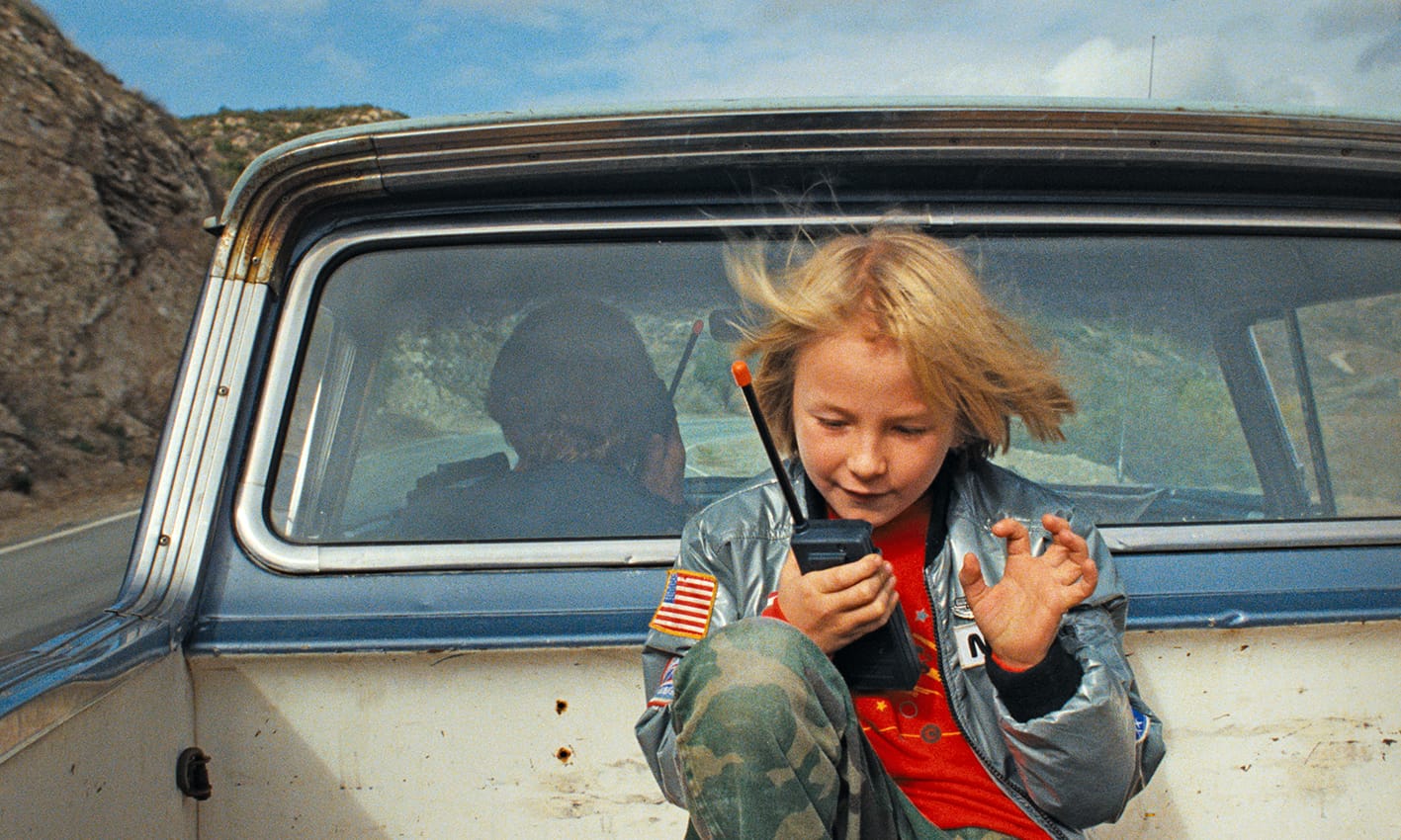
In Paris, Texas, one of the stand-out performances was that of the son, Hunter. Shepard’s understanding of child-like wonder and curiosity was on full display in his writing for Hunter, particularly in his conversations with Travis. One conversation that stayed with me occurred towards the beginning of Travis and Hunter’s reunification, when Hunter asks Travis about his dad who had passed when he was young and if he could feel his absence. Hunter tells Travis that in their time apart, he never felt Travis was truly dead but could feel him “walking around and talking” somewhere, highlighting their lingering connection and emphasising how Hunter acts as a grounding force for Travis. Carson delivers an incredible, understated performance despite not even being ten years old – he is able to gently portray a child navigating adult wounds, becoming an emotional bridge between Jane and Travis. There are times when it appears he understands the world better than any of the adults in the film; he views it through an untainted lens, seeing things for what they are with no ulterior motive. He embodies Wenders’ belief in emotional repair and intergenerational healing, being a conduit for Travis’ journey of redemption. Hunter’s conversations with Travis allow the film to pivot from collapse to restoration, giving it its ingrained sense of reparation.
The couple’s child in Possession, Bob, has an opposite experience of his parent’s emotional turmoil. Hogben delivers a terrifying portrayal of a child witnessing chaos he cannot understand but can sense something is awry. Bob becomes increasingly withdrawn and isolated, becoming eerily silent and detached. In the final scene, Bob realises he cannot escape the cycle of violence his parents have created, and is forced to make a choice a child should never have to. Similarly to Hunter, Bob’s behaviour throughout the film implies he too sees things for what they are, much more clearly than any of the adults can. The audience is left wondering what Bob knew about the doppelgängers that caused him to take such drastic action – what did he intuitively know that we don’t? Ultimately, Bob’s ending shows that the film is not only about the couple and how they hurt each other, but also about the collapse they leave behind.
Context: personal and political influences
Possession and Paris, Texas’s plots and artistic directions were both influenced by what was happening in the directors’ personal lives. Żuławski was famously going through a brutal divorce and custody battle. This heavily informed his view of divorce and how he brought it to life, personifying it as a literal monster. Moreover, Żuławski was living and working in Berlin while creating Possession after being forced out of Poland due to censorship which meant he was living inside the political tension of the Cold War. Żuławski tied the collapsing relationship to a public apocalypse, linking it to political concerns such as the Cold War paranoia and societal fracture.
When Wenders was making Paris, Texas, he was coming off the back of spending the last few years living in the US, having left Europe. He described this period of the late ‘70s and early ‘80s as one of creative frustration and geographical drift, having a dissolving sense of personal belonging. This was a period of profound dislocation and rootlessness, which is reflected in his cinematography style in the film. It focuses on uninhabited, desolate expanses which bleed a sense of longing and alienation into every aspect of the film. Wenders’ leading woman, Kinski, was navigating a deeply troubled personal life at the time – she had just come out of a difficult break-up with complicated family trauma and a history of emotional abandonment. Furthermore, Kinski could draw on personal experience when portraying a relationship between an older man and (much) younger woman as she had been preyed on by Roman Polanski (then 43) when she was just 15. She had since frequently worked with older, domineering male directors. This made her portrayal of the implicit power imbalance in Jane and Travis’ relationship even more powerful. The co-screenwriter, Shepard, was famously turbulent in his relationships – almost all his scripts include broken families, ‘abandoned’ husbands, drifting men and emotional inarticulacy. This was obviously reflected in his vision for Paris, Texas as it hits all these tropes – although he is able to depict these themes with subtlety, without making anything cliché.
Outcomes of collapse
In conclusion, although Possession and Paris, Texas both explore the emotional fallout of a collapsing relationship, they do so through radically different cinematic languages. Żuławski transforms marital breakdown into something monstrous and apocalyptic, tying private suffering to political paranoia and bodily horror. Wenders, by contrast, treats collapse as something quieter; a wound carried across landscapes and generations, but one that may still allow for healing. Seen together, the films offer two visions of what remains after love fractures: in one, trauma replicates itself endlessly; in the other, it may finally be repaired.