From ‘Rocket Boys’ to Karman
Imperial-based team prepares to break altitude record for liquid bipropellant rockets.
This summer, Karman Space Programme (KSP) is planning to launch its VEGA rocket, which they have been designing and building since late 2024. The team aims to reach an altitude of 20 km, above the current record for a liquid bipropellant rocket. This would be KSP’s first launch since December 2023, when the previous team’s solid propellant rocket reached 9 km.
The current team’s thirteen members are split into three main sub-teams: airframe, in charge of the rocket’s structure; avionics, which deals with the electronics; and propulsion, responsible for the engine and propellants. KSP is not a society registered with Imperial College Union, as they say that would restrict their possibilities. Instead, they operate “more like a startup” that undertakes long-term projects rather than annual competitions typical of university rocketry teams, and their members get “hired and fired” depending on performance and commitment.
A member of the team notes that KSP is “very much a full-time commitment” that students must balance with their studies. She proudly tells me that the entire system and life cycle of the rocket, from idea to launch pad, is designed and manufactured by students. A team member suggests that KSP is “a slice of San Francisco in SW7.” Fittingly, KSP’s newly formed AI Lab focuses on “multi-fidelity” physics AI models, which are trained on data of variable accuracy for optimised performance to help streamline the design process and optimise flight hardware.
The rocket
VEGA is a liquid bipropellant rocket. This means that both the oxidiser and the fuel that enter the engine are liquids, producing more thrust while being lighter than solid propellants. In fact, the engine is cryogenic, meaning the propellants are gases which are liquified and stored at very low temperatures, making it even more efficient. VEGA’s engine produces 7.2 kN of thrust, making it the most powerful amateur engine of its class in the UK.
In addition to its engine, KSP is also building reusable architecture: “every part” of the eight-meter-tall rocket is recovered and able to be launched again in a short timeframe. This complicates manufacturing as components must remain reusable after launch.
The team hopes that VEGA will reach an altitude of 20 km over the summer, breaking the altitude record for a liquid bipropellant rocket which currently stands at 17.2 km and is held by Georgia Tech.
Challenges
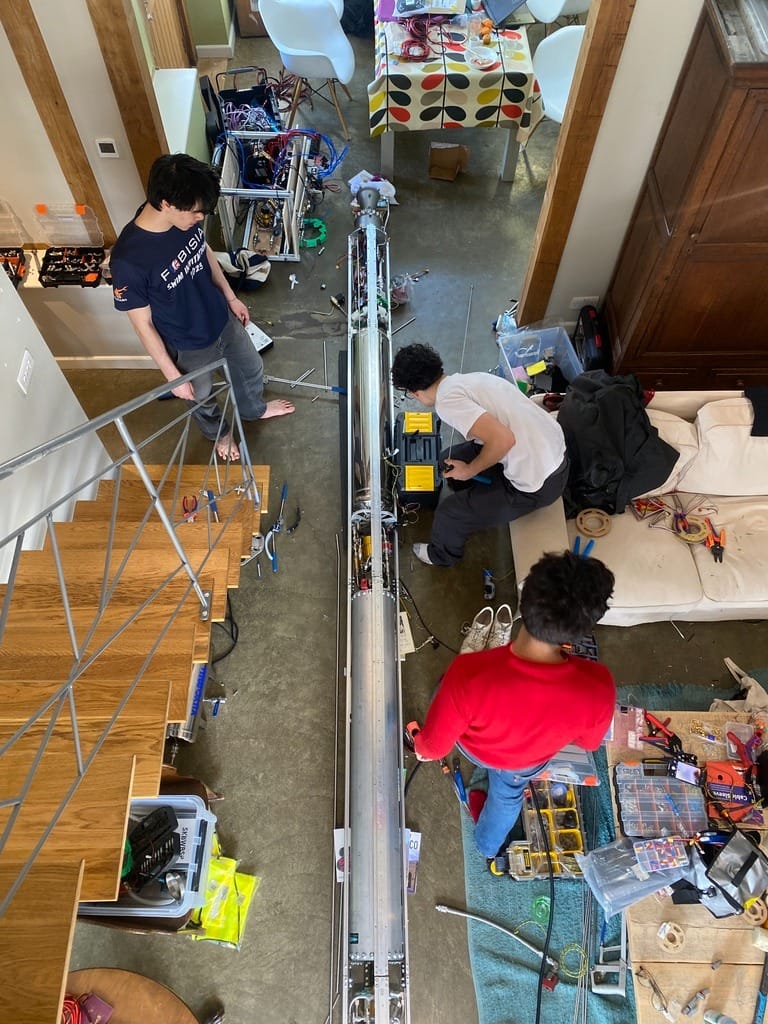
As the adage suggests, rocket science is “extremely difficult.” There are technical and practical difficulties regarding systems integration, where the sub-teams responsible for different parts of the rocket must ensure it works together. Moreover, building in South Kensington is hard: due to the lack of space, KSP is unable to have their rocket fully assembled for long periods of time, and the constant disassembly and reassembly has proven a significant hurdle. As a result, the team is considering getting their own workshop.
Another distraction is funding. As KSP does not receive financial support from the university, they are limited to sponsorship, meaning students must commit some time to raising money, effort that could have been spent on designing or manufacturing the rocket. However, one team member says “the team is very lucky to have developed strong relationships with sponsors who believe in and support KSP’s mission.”
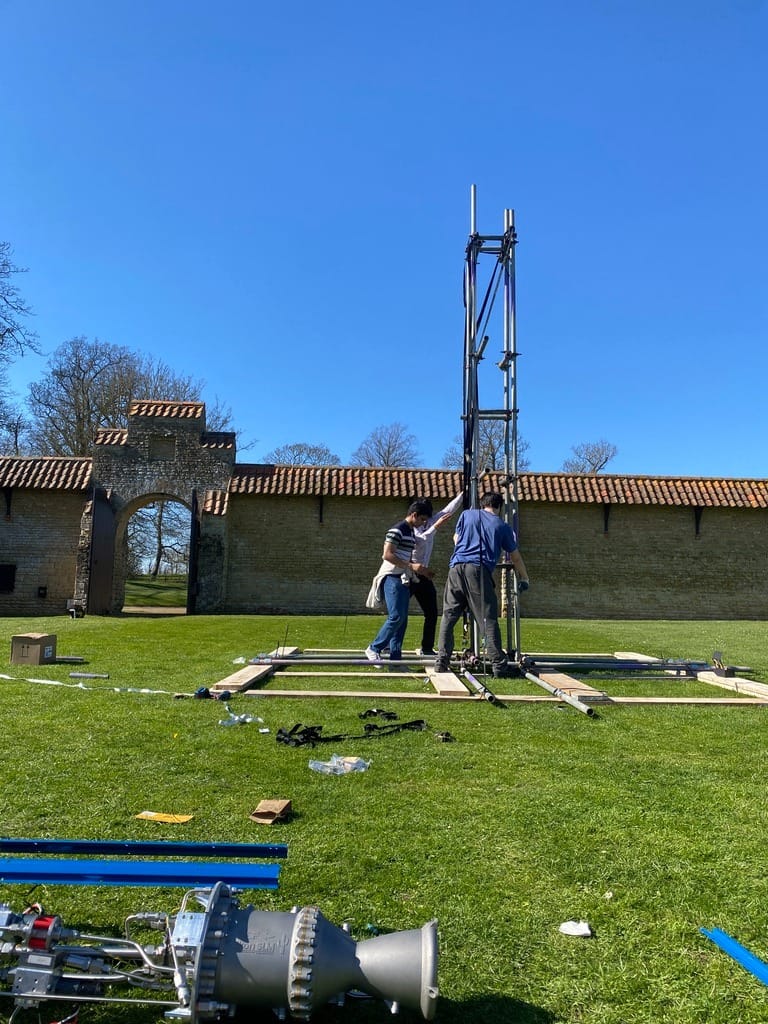
Finally, obtaining permission to launch a rocket from the UK’s Civil Aviation Authority is very slow and expensive. Instead, KSP has opted to launch VEGA in Nevada.
Looking ahead
While the team prepares to launch VEGA this summer, its long-term goal is to reach the Kármán line, the widely recognised definition of the edge of space, 100 km above mean sea level. KSP is recruiting more students and hopes to expand to other universities such as Oxford and Cambridge.