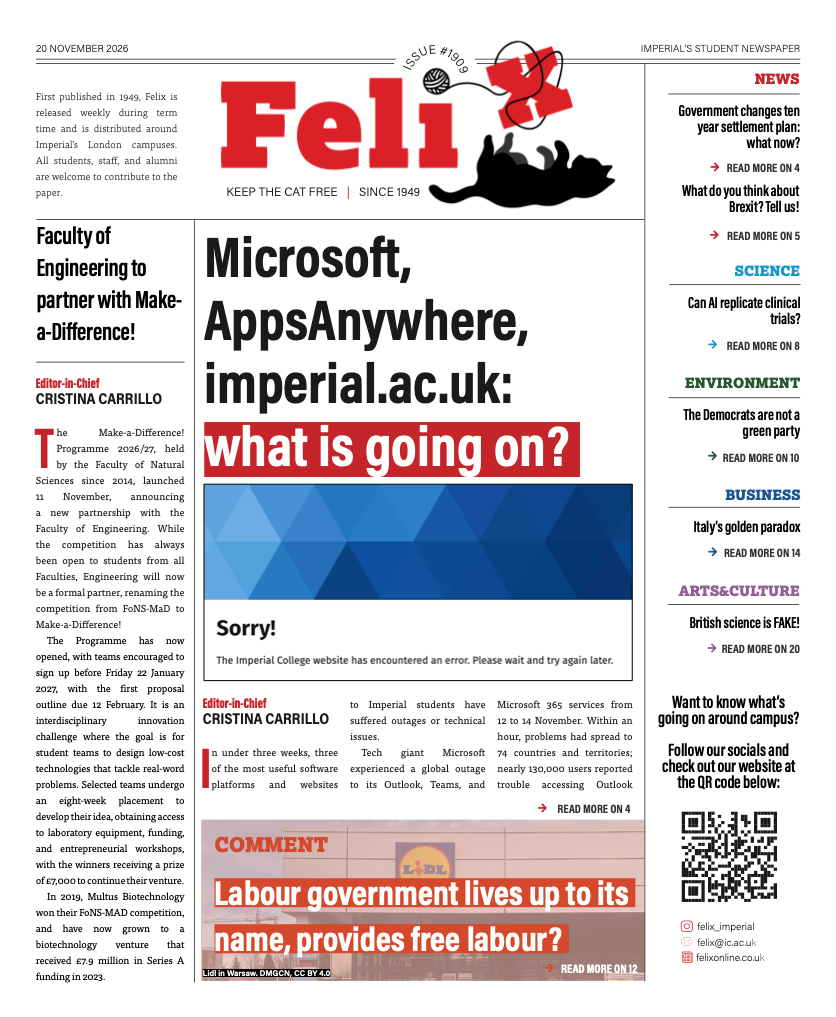
‘Those who contribute most will settle fastest’: new UK government policy may double wait to settlement
Home Secretary Shabana Mahmood set out to the parliament a new framework on 2 November regarding obtaining settled status, called 'Earned Settlement': "Settlement should not be automatic, it should be earned", she said.
The Government’s response to its consultation, "A Fairer Pathway to Settlement" sets out plans to raise the baseline to settlement from five years to ten years, with a minimum requirement of earning £12,571 for five of the previous seven years. This can be reduced or lengthened, depending on one's contribution. For workers in specified public service occupations or individual earning at least £50,271 per annum, the number of years is reduced to five, and for those earning at least £125,141, it is further reduced to three.
Those who continue to access public funds and/or entered the country illegally can only obtain their settled status after 20 or 30 years.
All the changes are subject to a set of mandatory requirements, including 'no criminality', 'no government debt' and minimal 'immigration breaches'.
These changes reflect the government's emphasis on the four pillars towards lawful settlement: good "character", sustained "contribution", integration" into the society, and lawful "residence". Changes to the Immigration Rules will be laid from December and implemented throughout 2027.
The long residence routes, where individuals would be able to obtain settled status through a combination of mixed visa, including Student, Graduate and Youth Mobility will close: time on these visas will not count toward settlement. Transitional arrangement covers specific care workers as well as health and education workers. The existing skilled workers are keeping the lower salary threshold on their visa requirement until 2035 and aren't guaranteed the five-year route.
It is not yet clear whether any further protection would be given.
The SWJA (Skilled Worker Justice Alliance) say on their website and social media they are “preparing for a potential judicial review of retrospective changes”. The SMA (Skill Migrants Alliance) similarly outlined on their roadmap that legal actions would be taken in the form of a PAP (Pre-Action Protocol) as an initial challenge – followed by a judicial review if that were to be disregarded.