When the buzzing stops
The case for saving insects, and ourselves
For Professor Dave Goulson, nature’s promise every spring brings joy to his heart and soothes his soul. The brimstone butterfly adorned in golden yellow against the bare branches of trees is a sight every primavera. For his grandchildren, this promise is looking less than certain.
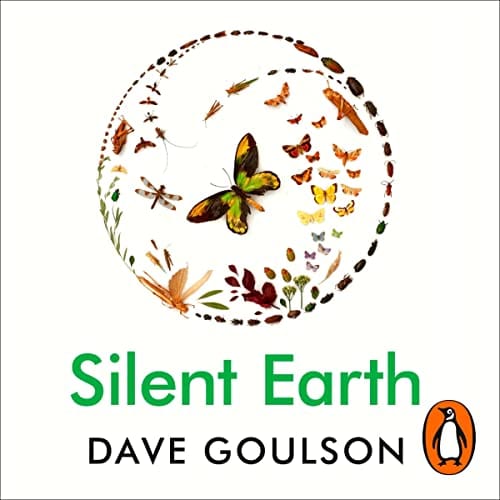
Silent Earth: Averting the Insect Apocalypse is a love letter to the bizarre creatures we’ve learned to ignore or swat away, as well as a warning that humanity is dismantling the scaffolding of life itself. This book is written in light and personal prose, with a tone as warm as a cup of tea, making the science digestible.
Professor Goulson, a renowned entomologist, opens with an observation that over his lifetime, insect populations have plummeted by as much as 75%. Multiple studies confirm this biodiversity loss as very much attributable to human action. Our environments are being stripped bare of insects: the pollinators that keep our food systems running, the recyclers that prevent us from drowning in waste, and the foundations that support agricultural systems we vehemently claim to care about.
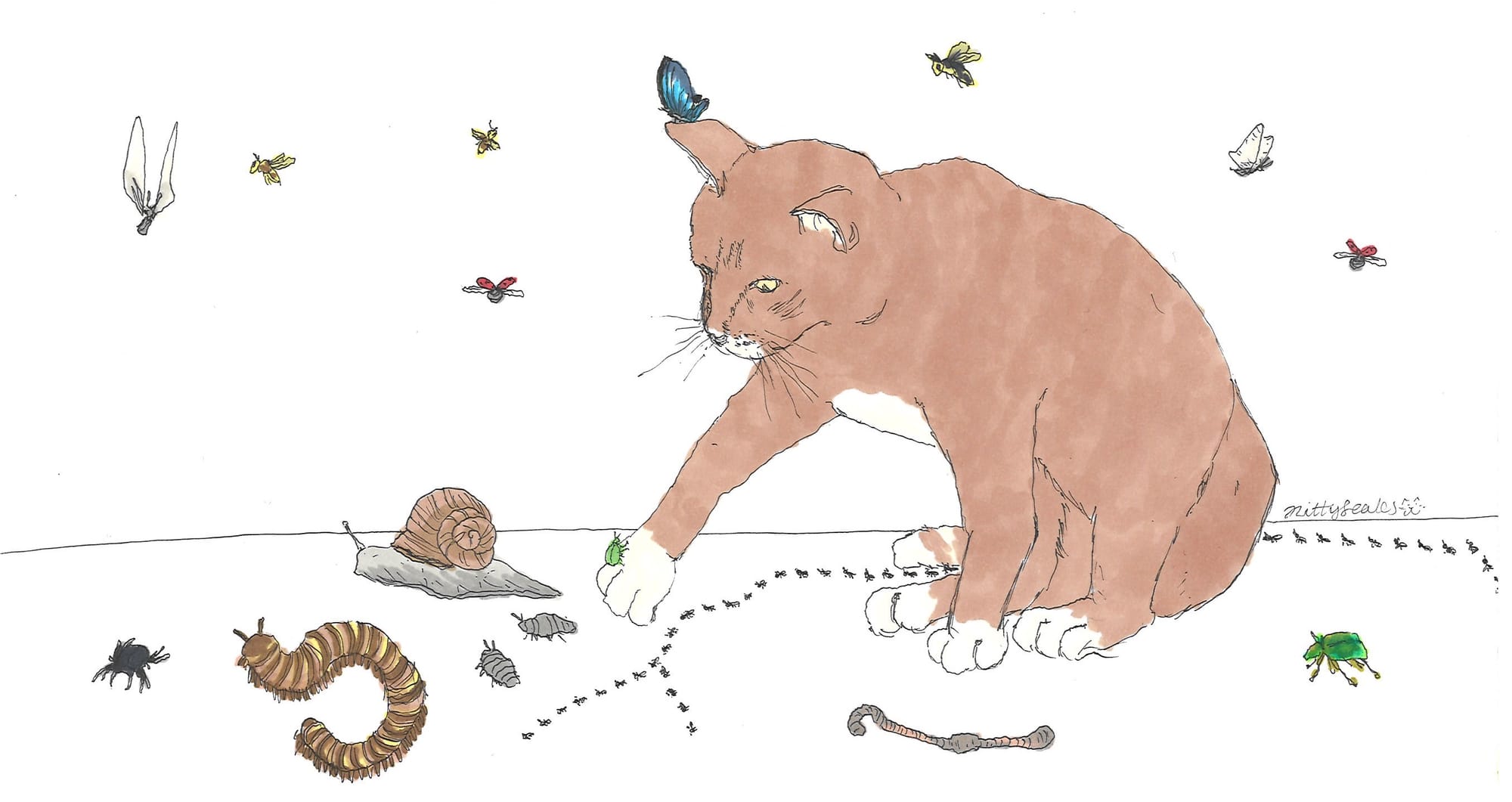
Insects are by far the most abundant animal species in the world. Conservative estimates put the number we have described so far at two million. Ants alone are estimated to number in the quadrillions. From the cave-dwelling book lice to the stick insects that mate for 79 consecutive days, to the giraffe weevil with a tiny head hanging on an absurdly long neck, and the Madagascan moths that drink tears from birds asleep, insects are a colourful testament to nature’s creativity. Moreso, the two million species are dwarfed by another four million we haven’t even named, which will probably disappear before we get to it.
Perhaps, the most unsettling concept Goulson touches on is the “shifting baseline syndrome”. Each generation accepts as normal, the depleted world it inherits. Growing up, I must have seen far less insects than Goulson did growing up. My children will accept even less. Without memory, we sleepwalk towards a world where flowers will fade in colour, gardens will lose their glimmer, and the skies will seem static. This is precisely why the insect crisis remains invisible despite its scale. Gardens feel fine when you’ve never known them to be buzzing with life.
Over the years, campaigns appealing to the public to refrain from acts destroying nature have ran the gamut, from emphasising harmony between humans and nature, to utilising emotional tactics such as environmental guilt or eco-shaming. The common thread tying these campaigns is the constant need to assign economic worth to nature. For the slugs and the Saint Helena giant earwigs, which were declared extinct in 2014, Goulson takes a stance against utilitarianism. We should ask not what nature can do for us, but what value it is living in a world stripped of strangeness and beauty. “Why should the existences of slugs need to be justified?” he asks. Does everything require a “point” to exist? This reframing cuts through decades of conservation rhetoric.
But what can we do? Too much gloom discourages, and while insect decline data remains rocky in certain regions of the world, solutions don’t have to be massive. For what it’s worth, unlike many threatened species, insects can bounce back rapidly if given space. His prescriptions are practical: plant wildflowers, create habitat corridors (even in your garden), support sustainable farming, reduce meat consumption, waste less food, and teach children about the living world through direct experience – gardening, pond-dipping, fieldwork – not just textbooks.
Nonetheless, I’m left with doubts Goulson himself seems to share. Has he convinced me every single insect matters? That’s beside the point!
I find myself actively hoping for insects now, reaching for my camera when I spot one.
The sheer abundance and diversity of insects suggest many species could vanish without catastrophe. Convincing people to love mosquitoes, slugs, or wasps requires a cultural transformation the book describes but can’t quite deliver alone. If you’ve ever been bitten by one of these, you know what I mean. Still, as the old saying goes, we shouldn’t throw the baby out with the bathwater.
What has changed for me is how I see green spaces. I find myself actively hoping for insects now, reaching for my camera when I spot one. That shift from indifference to attention may be the book’s real achievement. I finished Silent Earth, understanding not only that insects matter, but what makes them fascinating, which may be the only sustainable foundation for caring about creepy-crawlies long-term. At Imperial, the Environmental Society hosts gardening sessions, every Wednesday from 2–4pm. Come join us, get your hands dirty and maybe meet some insects while you’re at it!
Will we save insects before memory fades completely? Before the silence becomes so normal we forget there was ever anything to hear in the first place? It’s a modest ask, but not impossible.
Rating: 4.5/5
For anyone willing to see their garden, and the world, with newfound curiosity