
The New Age of Sexism

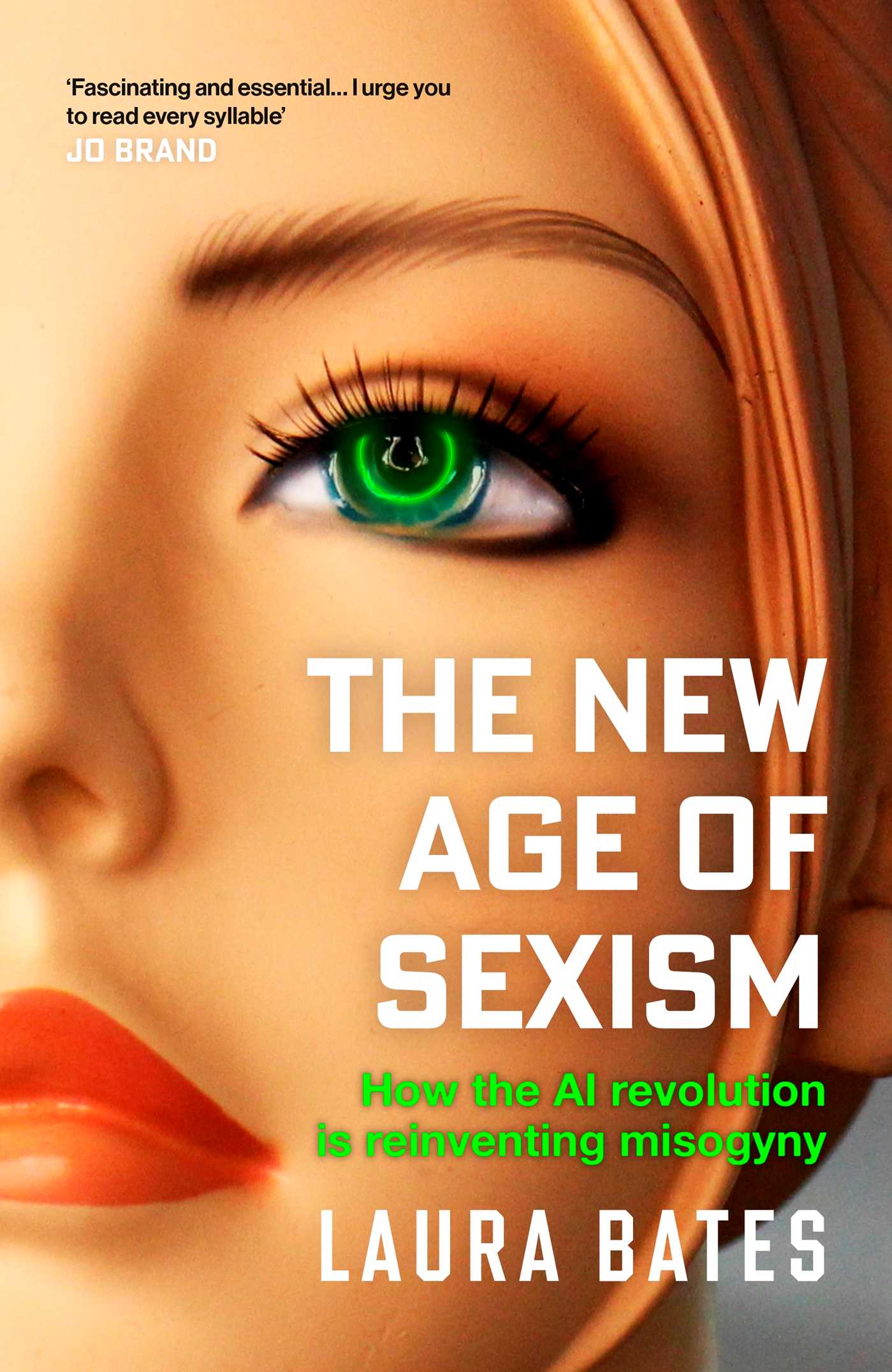
In The New Age of Sexism, feminist author Laura Bates dives into the darkest corners of the virtual world: from browsing sex robots for sale online, to visiting a German cyber brothel, to witnessing sexual assault in the metaverse. The result is a harrowing yet necessary account of how women are already suffering at the hands of rapid, unchecked development of emerging technologies.
Bates successfully debunks claims that digital abuse causes no “real” harm. Throughout the book, she details the psychological toll that abuse such as non-consensual deepfake pornography – something she herself has been a target of – takes on its victims. As the technology behind these tools is constantly updated to further blur the line with reality, the harm they cause will only become more tangible.
By testing tools such as “AI girlfriend” chatbots, Bates also shows how emerging technologies are increasingly normalising misogynistic attitudes towards women. Marketed by their creators as means to combat loneliness by replicating real relationships, the bots often readily acted out rape scenarios and failed to challenge misogynistic prompts, with one of them agreeing it was “so much better than a real woman who always says no.”
Given how closely these widely available apps resemble the messaging platforms we use in our daily lives, it is easy to imagine how this could result in harmful spillovers into real-life relationships.
Bates also argues that current measures to protect women online are not only inadequate but potentially harmful: instead of punishing or banning perpetrators, victims are given tools to block users or exit online spaces.
Given that the likes of Mark Zuckerberg want these virtual platforms to be the “meeting spaces of tomorrow,” she warns that “closing those spaces off from women, girls and other minoritised groups, because of the tolerance of various forms of prejudice and abuse, would be devastating.”
None of this means that tech development should be stopped in its tracks, Bates says, writing: “It simply means a different approach – one where transparency isn’t a dirty word and safeguarding is a foundation, not an afterthought.”
"I found myself having to take breaks from reading it to shake off the feelings of deep discomfort"
Among her suggestions are the conscious development of AI models to avoid bias and replication of misogynistic patterns, tougher prosecution of non-consensual AI-generated pornography, and stronger moderating systems in the metaverse.
The New Age of Sexism is by no means an enjoyable read – it reveals a highly disturbing underground world of unthinkable abuse and misogyny. I found myself having to take breaks from reading it to shake off the feelings of deep discomfort and worry for the future that it evoked. I also couldn’t help but feel a bit powerless – can we really trust the tech giants to slow down AI development to protect women from harm?
At the same time, it’s clear that inaction isn’t an option. For those who feel capable of digesting this troubling content and want to contribute to making the virtual world a safer place for women, Bates’ book presents an essential warning of the risks of continuing with the status quo.