The sabbatical candidate’s handbook
Union President Nico Henry shares advice on campaigning and delivering as a Union Officer.

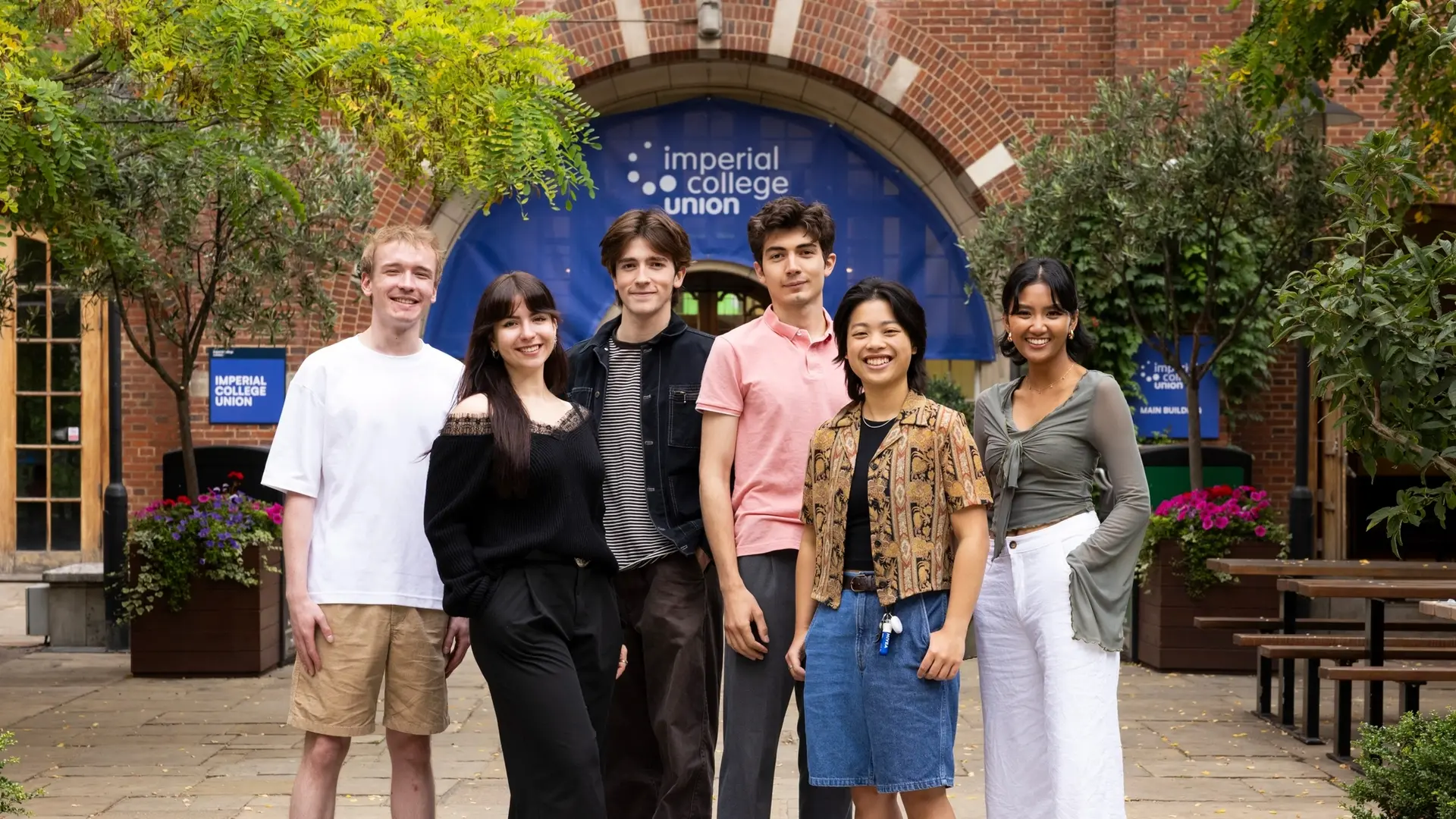
I am writing this to share how I ran my campaigns without being well known or involved with the Union during my degree. This is my practical guide written in the spirit of democracy and with the aim of helping the strongest candidates step forward.
Last year I was elected Deputy President (Welfare), and this year I was reelected to serve as Union President. I started without a major platform or any real name recognition.
Please start by being true with yourself about why you are running. I think the answer should be something along the lines of representing students, or creating positive social impact. If your motivation is status, or money, the year will be difficult and the people you represent will notice it. I find it’s a demanding role and difficult to switch off.
Your manifesto should try to be realistic and relevant to students’ needs. What you campaign on is what you’ll later be held accountable for and what you’ll work on for a year, so try to keep things achievable and within the actual powers of the role. It’s also normal to be unsure about what is fully possible. Many manifesto points will change as you understand the constraints better, but the priorities will likely stay the same. If you are unsure what is possible, or what’s been tried, speak to current officers or union staff.
We have multiple campuses, a roughly even split between international and home students and a similar split between undergraduates and postgraduates. That means representing students in different stages of their lives and varying priorities. Good ideas recognise this diversity rather than assuming a single student experience.
Before nominating myself, I spoke with students to understand what their experience was and whether they shared the same concerns as me. I learnt a lot about the different faculties and degrees and about where there was appetite for change.
Below are my main takeaways from two campaigns, but keep in mind there is no single formula, and creativity is welcome.
Speaking and listening to people is the most important part of campaigning. I walked across most campuses and spoke to anyone who seemed open to a conversation. Don’t interrupt people who are working or studying. For example, the library was completely off limits for me. If someone isn’t interested, move on as being pushy makes people uncomfortable and costs you votes. Be ready to explain what the Union actually is, as many students don’t plan to vote at all. Clear explanations and strong ideas can change that.
You have a limited budget, so preparation matters. Have everything ready before campaigning officially starts. For the past two years, I was the first person on campus to put posters up in approved spaces. That genuinely helped as early placement meant better visibility and less competition for space. Build a clear brand by choosing colours, items or visual elements that people begin to associate with you. Consistency makes you easier to remember.
I brought snacks that covered different dietary requirements and tried to be as sustainable as possible and people noticed. The range of options also gave me a way to start a conversation.
Read other candidates’ manifestos and look for where collaboration makes sense, but do not rely on that to carry your campaign. I also asked lecturers if I could give brief lecture shoutouts. Most declined but some agreed so it was still worth asking.
Take care of yourself. This period is intense and only four people get elected. I remember some very awkward interactions that made me want to crawl into bed and not leave. It can feel like being rejected hundreds of times in a row. That feeling is normal.
Maintain a digital presence alongside your physical campaigning. Funny reels can spread quickly, but simple posts also work. Endorsements matter less than people assume. I made many reels, including a cooking video called “my manifesto in a recipe” which felt cringe, but it got views. Show your hobbies and your everyday life, and please tell us what motivates you and what the union could look like with you in the role. Follow people strategically. Platforms limit how many people you can follow or message each day. Push too hard and you will get blocked or shadowbanned, which does not help your campaign.
As Union President I wear many hats. I’m a trustee of the charity, a representative on Union Council and accountable to it, a member of University Council, an investigating officer for union complaints, the student member on disciplinary and academic misconduct panels, a main point of contact for many people, the student representative on university leadership interview panels, and the main link between students and university staff. I’m also the guy speaking at graduation among other things.
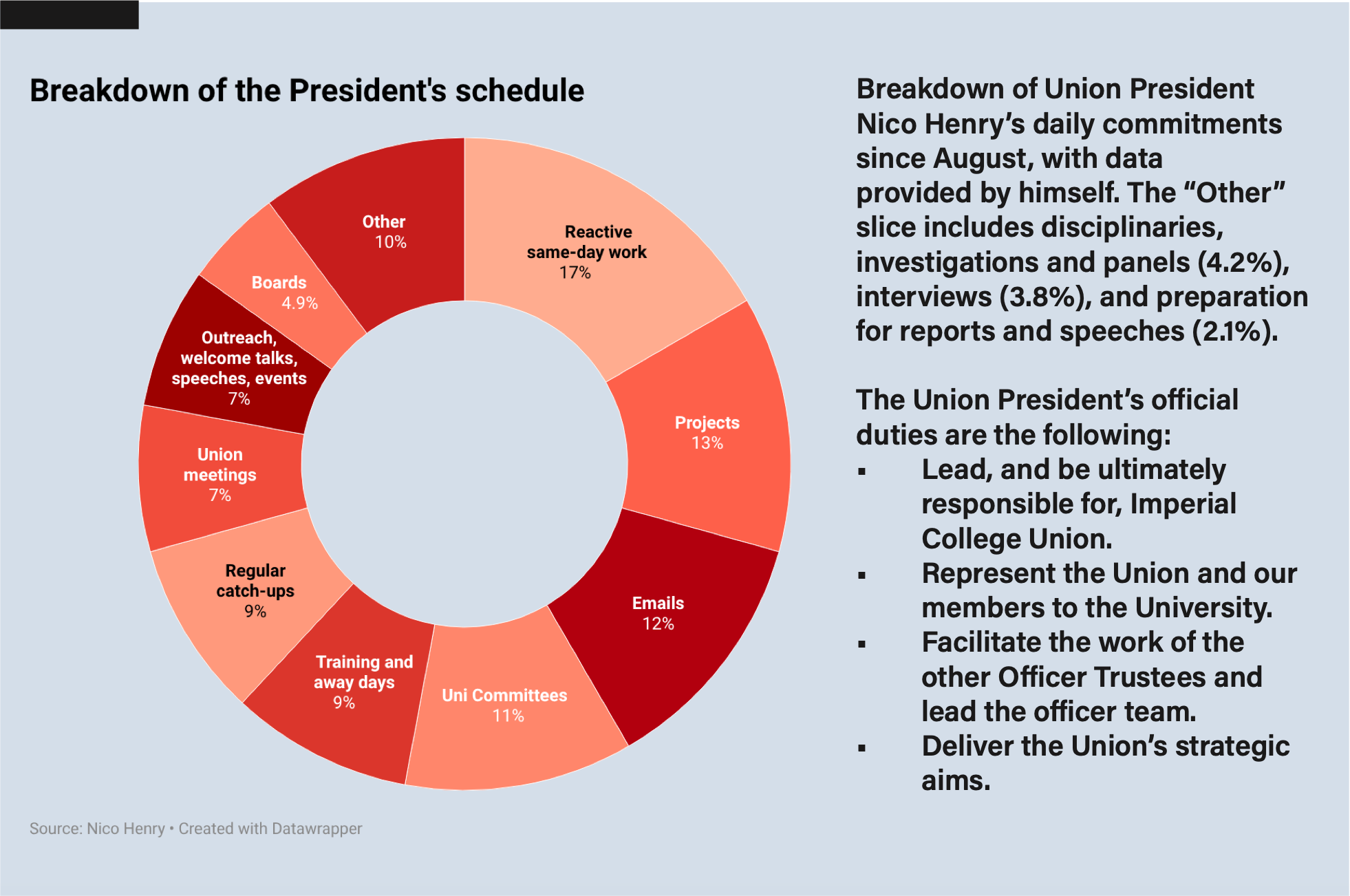
With this range of responsibilities comes the daunting side of the role. There are the photos, the speeches, the constant emails, the impostor syndrome, the accountability, the report writing and the need to politely reject requests while prioritising what matters most. All of that comes with the job, but even so, the positives outweigh the difficulties. Seeing the impact of my work in real time and knowing it’ll benefit future students who will go on to do amazing things after university is really rewarding. If you are considering becoming a sabbatical officer and want to talk through ideas or anything else, please reach out!