From Gothic tragedy to Valentine’s night out
How Emerald Fenell's adaptation of Wuthering Heights became a glossy, gendered spectacle.

Wuthering Heights by Emily Brontë has had a special place in my heart since I first read it at 16. I loved the complexities of the characters; I hated them and yet I felt horrible for Cathy and Heathcliff, wishing desperately for a happy ending. I loved the book so much I was deluding myself to believe my on-and-off crush from high school and I were like the main characters. I told my crush: “You are my Heathcliff”. Of course, he didn’t get it and looking back, I am somewhat glad because it is by far one of the cringiest things I’ve ever said. Neither of us had married other people to make the other jealous. But that is besides the point. The point is, I love Wuthering Heights and I was really excited to see it regardless of what other people had said about it.
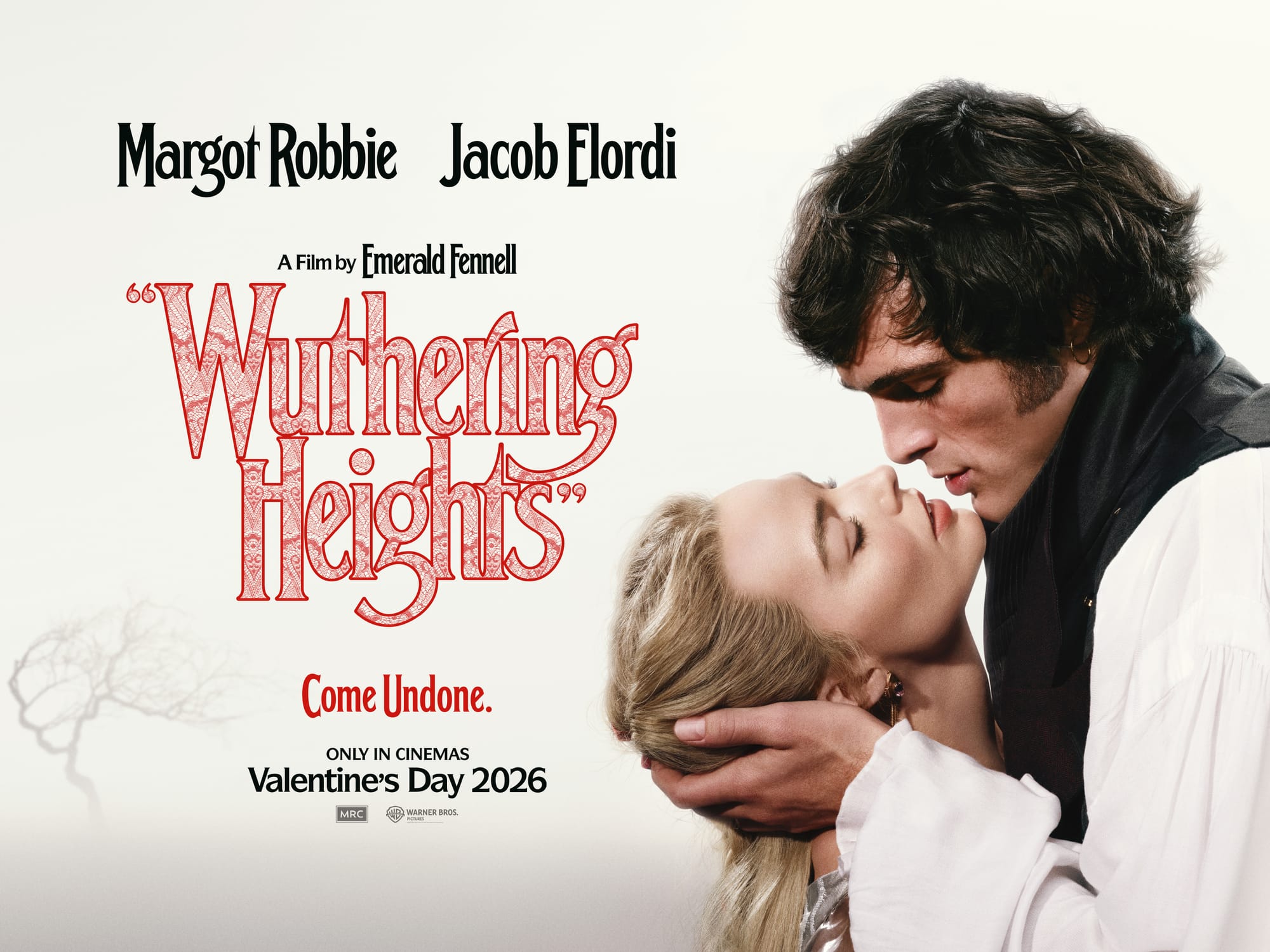
After learning about the casting, particularly about Jacob Elordi as Heathcliff and Margot Robbie as Cathy, I had lowered my expectations. A critical point for the book is that Heathcliff is described as having dark skin – a huge factor in the societal pressures he faces during 19th century England, where the book takes place. Elordi’s casting undermines this. Emerald Fennell’s response to criticism being that this is her vision is simply not enough to explain the casting. I do like unfaithful adaptations, but only when it adds a new facet to the story. This casting seemed pointless, not adding any value to the film – especially considering that there are cast members (the Lintons) who look exactly like book descriptions of Heathcliff and Cathy.
However, I soon found out that I had not lowered my expectations enough. I’m critical of Emerald Fennell but I don’t necessarily dislike her work. I don’t agree with many of her artistic decisions, yet I believe there are still some to give credit for. For instance, I really liked her casting choices for Promising Young Woman and although Saltburn did feel like a The Talented Mr. Ripley knock-off, I still had a lot of fun watching it. It was visually engaging and accessible to different audiences. I feel inclined to feel similarly towards Wuthering Heights, but I can’t. I find it indefensible because the movie feels like a crime against the book.
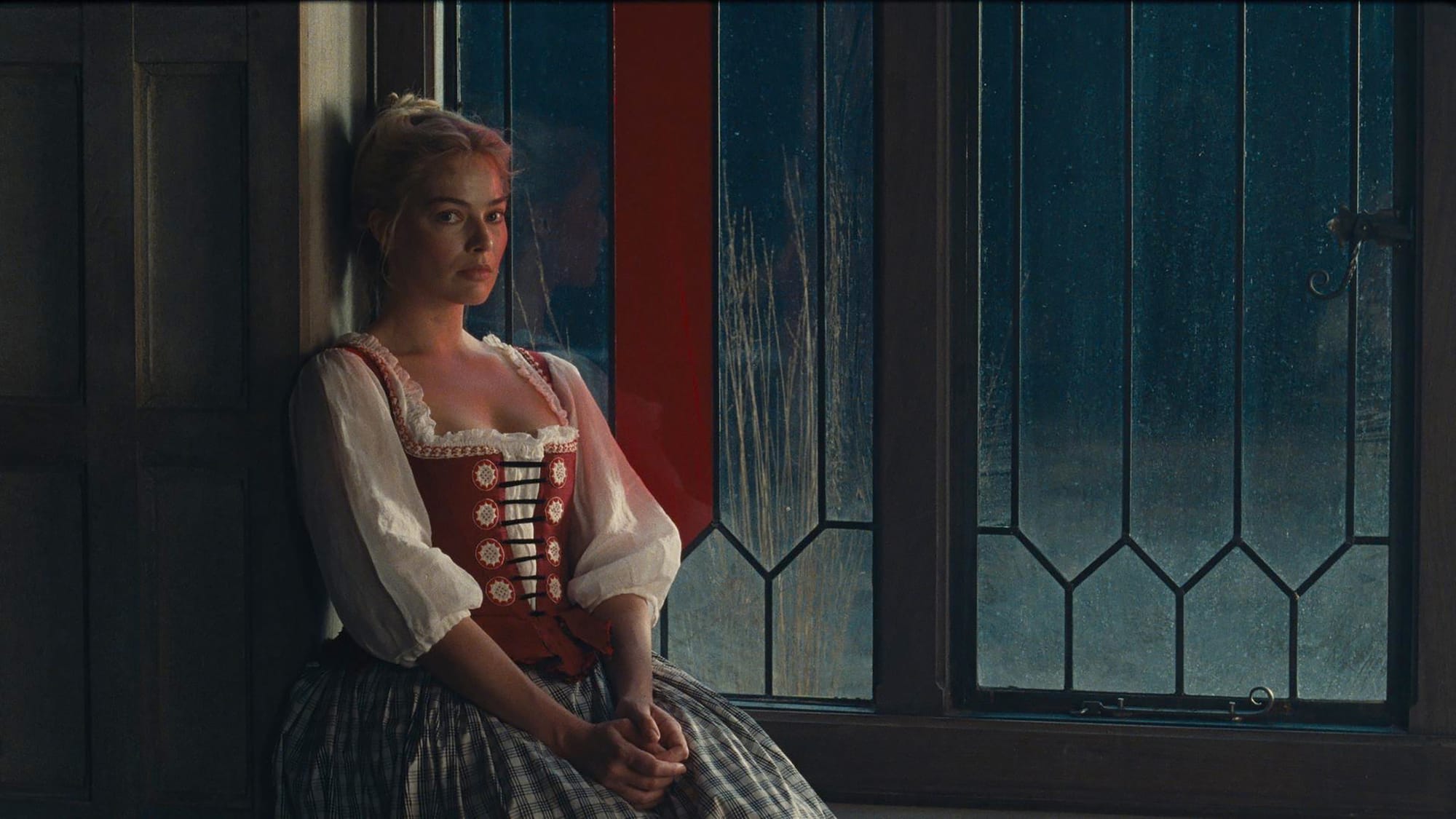
One thing: it is very graphic. The book displays Cathy and Heathcliff’s affection with beautiful descriptions. It is enthralling to read about their passionate obsessions and you can feel an intense physical passion towards each other. On the other hand, the movie has none of this sophistication and instead a lot of smut. This is not because I have a prudish view for movies, but rather I find it tasteless to have sex scenes that are not important to the plot. As my flatmate said, Elordi and Robbie’s intimacy is hot simply because they are attractive people, not because there is a built tension or chemistry between them. I thought it was more like a smutty TikTok book adaptation, which I’m not judging either. The only problem reveals itself when you realise this is supposed to be an adaptation of a great novel, which just makes you upset. This movie deserved to be much more poignant. There is much more to say about the book and the characters, but I won’t dwell further on it and leave it for you to decide.
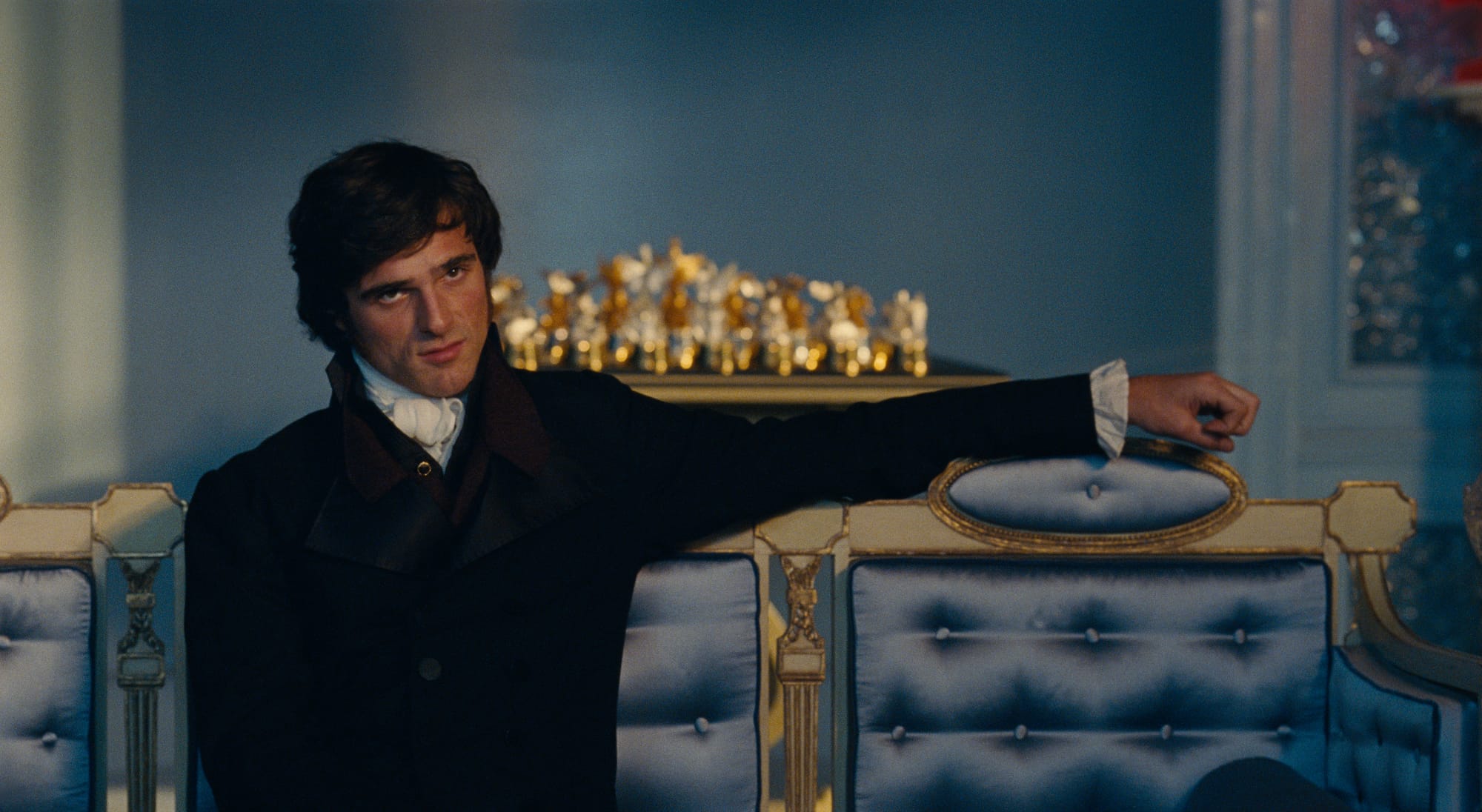
Following up from it being like a TikTok book adaptation, I resented that it was advertised as a women’s chickflick and I hated the marketing for the movie. For instance, in her appearance at Jimmy Kimmel Live, Robbie talks about arranging a private screening of the movie for her friends, describing them as “frothing at the mouth” for Elordi. This is just crude and tasteless. Another example is the Wuthering Heights lingerie ads that pop up whenever I am on social media. People can enjoy this movie and people can like movies with a little smut, but what I hate is when this is just associated with women and what women like. This approach divides sex into what men like and what women like, enforcing a socially constructed idea of what desire is for people. Because of this, the movie and the marketing for it feel very insincere and misogynistic: a dumbed-down version of a very intricate story made very shallow, fit for women’s viewing. We all have our guilty pleasures, but there is no need to associate them with gender. Otherwise, it creates this perception that any unsophisticated movie will be labeled as a “chick movie”. This ultimately makes the feminine seem less intellectually stimulating.
I have to admit that I still had a good time when I was able to not think of it as an adaptation of the book. I went with my flatmates on Valentine’s Day and we had such a good time in the cinema, sharing gasps and laughs with many other friend groups like ours. It’s a bit like watching Twilight. It doesn’t have a lot of substance but it still manages to be entertaining.