The Return of Y2K Technology
Tired of doomscrolling? Afraid to rawdog reality without your airpods? Where has all the comfort we found in our Y2K tech gone?
The technology of the 2000s has been making a comeback. Wired earphones are in fashion, digital cameras are now in every party, and even portable gaming consoles can sometimes be spotted out in the wild. It seems Gen Z has decided to adopt offline technology as part of their day-to-day carry-ons. With such an increase in the use of technology that, for the most part, has not seen the light of day for a decade, I couldn’t avoid asking myself: is this a performative fashion trend that will die within the year, or is there a deeper reason why Y2K tech has had a revival?
To answer this question, we must first acknowledge that current fashion trends have also returned to the beginning of the millennium. Think low rise jeans, baby tees, and platform shoes. It is no secret that fashion trends cycle every couple of decades, but it is interesting that now it is also accompanied by a surge in the casual use of seemingly outdated technology. At first glance, this can come across as trying too hard to be cool and quirky to the point of being performative and attention-seeking. I am definitely guilty of jumping the gun and pre-emptively judging anyone I saw innocuously using gadgets I believed would forever be buried in the back of my drawers. But as I saw more people using and connecting with this type of technology, I began confronting my preconceptions.
My first realisation was that I often struggled to spend any time of the day without some form of entertainment going on in the background. Face buried in my phone on the commute to university, earbuds in my ears when doing housework, and even YouTube videos as I fall asleep. I noticed that I hadn’t felt bored in years, as I always had plenty of readily available ways to distract myself. It was through the process of attempting to “raw-dog” reality that I understood how useful retro technology can be both as a coping mechanism and as a way to protest against modern addictive technologies. After this realisation, I couldn’t help myself from finding out more about the various quirky gadgets released over a decade ago.
My first deep dive into the world of retro technology started during one of those bed-rot days where I spent a terrifying number of hours scrolling on my phone. When I finally managed to get a hold of my own consciousness, I realised I could not recall anything from what I had been watching, and I felt mentally and physically worse than before. This seems to unfortunately be a very relatable experience for most people. Phones and social media can often provide a much needed relief from the stresses of everyday life, but they are designed to keep you coming back for more, providing you with an endless fountain of content and entertainment so that you give them more data and consume more ads. Long gone are the days where you could scroll Instagram until you reach an end captioned with the words “You’re all caught up” with no further content served to you. Instead of the technology being limited by design, we are left with no choice but to resort to restricting the addictive technology that surrounds us.
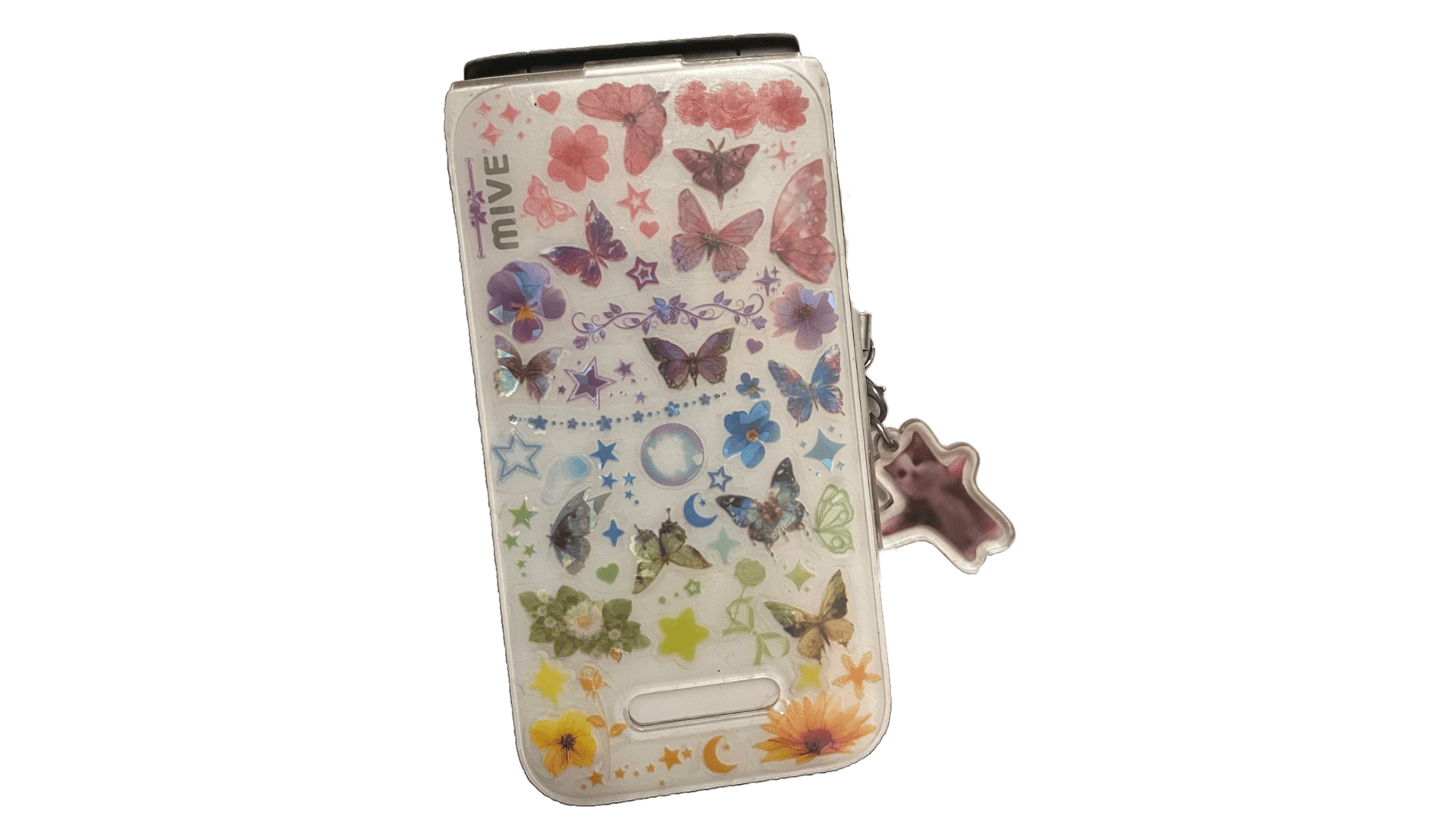
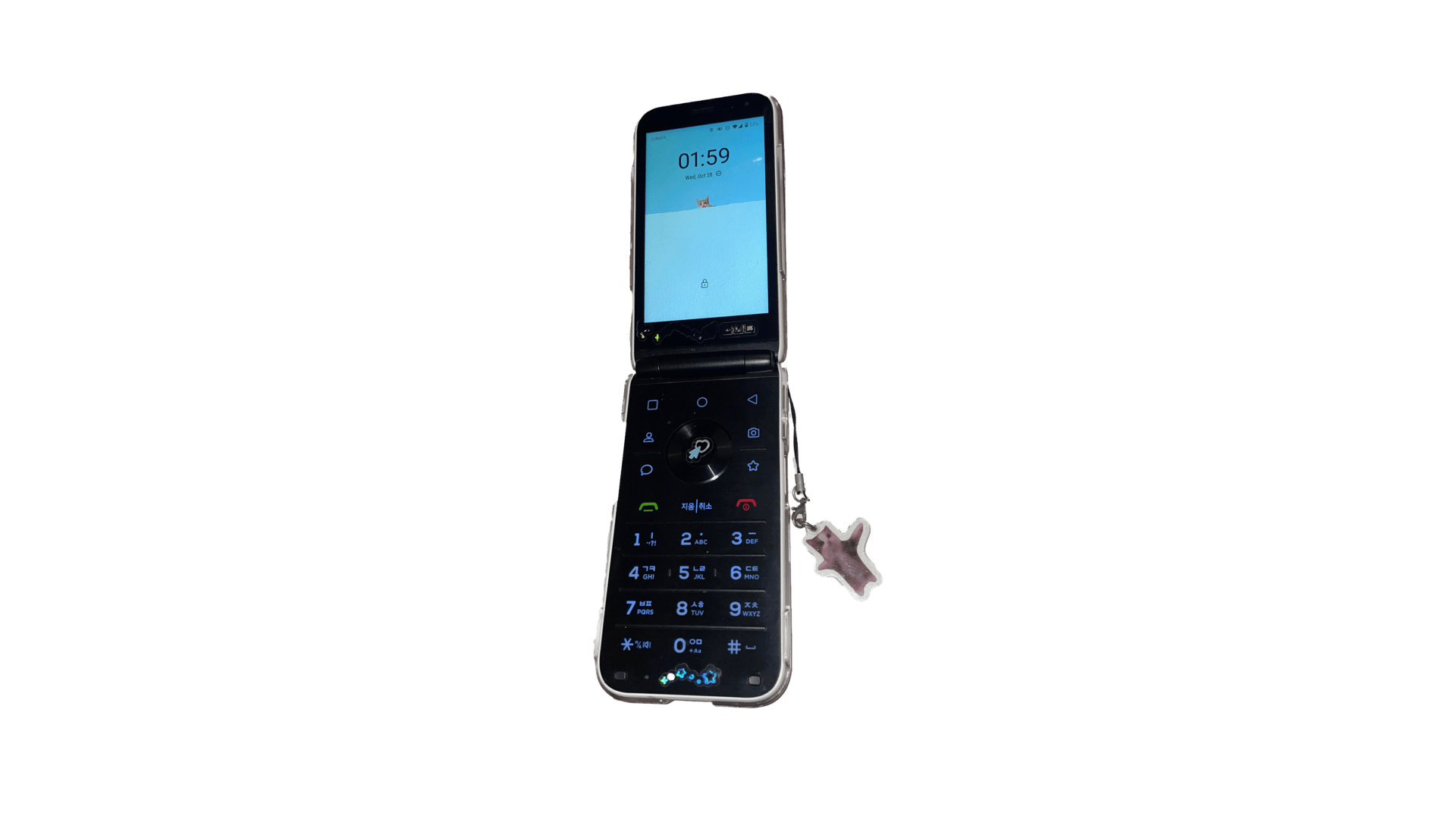
My solution rested in getting a phone that I actually enjoyed using. I often found that my iPhone worked faster than my brain, so I would end up doomscrolling without ever making a conscious decision to do so. Ironically, it was through an Instagram ad that I first fell in love with my current device: a smart flip phone. For all intents and purposes, it works as a normal smartphone. It has a small touch screen and an up-to-date Google Play Store, through which I can install all the important apps: banking, WhatsApp, maps, Spotify, and even damned Instagram (yes, I can, and still often do, scroll on reels on my flip phone). Its main drawbacks are its 2GB of RAM making the phone rather slow at times, and its lack of NFC preventing me from tapping to pay. However, I have found these quirks actually work in my favour. Because my phone is much slower, it gives me time to consider whether I actually want or need to use my phone, and the inability to use my phone to pay has relieved some of the stress of worrying about not having enough battery when leaving my home. While using an unconventional phone may not be for everyone, its purpose is not dissimilar to the strategies my friends have found to take control of their screen time, which can range from the simple app time limits to the more limiting external devices that can “brick” your phone. At the end of the day, the goal is the same: taking control over how we use our devices rather than letting the devices control us.
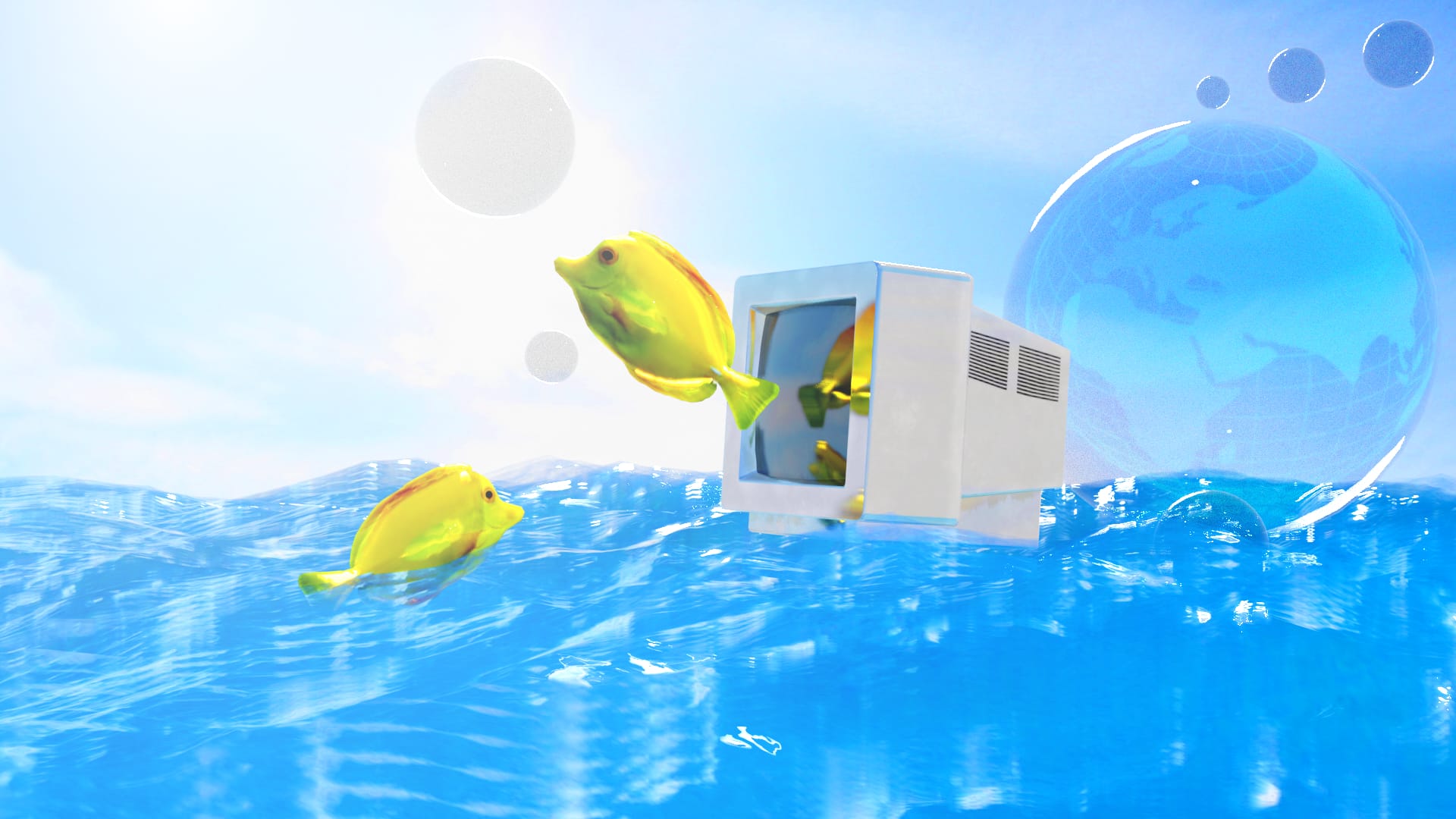
While digitally disconnecting is helpful for restoring your relationship with technology, it can also be useful to embrace the parts of the internet that provide you with genuine joy. I have found solace in technologically escaping into the world of Frutiger Aero, the successor of the Y2K Futurism aesthetic. Think back to the mid-2000s and early 2010s, when every wallpaper was full of nature, bubbles, sparkles, and over-saturated colours. Despite being a rather old aesthetic, Frutiger Aero has seen a recent surge in popularity on the internet. The most famous example of this is the dolphin meme set to Symphony by Zara Larsson. The dichotomy of the dolphin jumping out of a gorgeous biodiverse sea with a lovely sunny blue sky and the honest and rather dark words captioned on top (usually something along the lines of “I’m depressed”), I think best illustrates why Frutiger Aero has had such a big comeback; in a reality absent of hope, the ability to digitally escape to a nostalgic, jolly environment can provide the necessary comfort one can struggle to find in real life. In practice, this is what Frutiger Aero is all about: optimistic technology in harmony with nature, the visual manifestation of a better future. One can choose to see this resurgence as the reclaiming of the joyful techno-filled future that was promised to us growing up and has failed to be provided.
Hope is not the only thing that current tech designs lack. Nowadays, everything seems to be centred around clean lines, muted tones, and cookie-cutter designs. We’ve lost to minimalism not only the devices that looked more like transformers than phones, but somewhere along the way we also lost all the joy and excitement of quirky gadgets that clearly express one’s individuality. This lack of personality goes beyond the visual appearance of the design. It is now hard to go a day without reading an email written by ChatGPT, seeing an ad image on the tube generated by Gemini, or scrolling through a reel that barely anyone can detect as AI-generated. Through some of my friends that have started graduate jobs, I have seen the despair that comes with having to use AI for most, if not all, of their tasks at work.
The goal seems to be workmaxxing even at the cost of stripping all the enjoyment out of it. Don’t get me wrong, I appreciate the usefulness and convenience of AI in streamlining laborious tasks and helping with large information processing. But, at the end of the day, it is important to consider that by outsourcing all the work to the machine, we remove all the enjoyment of the learning journey and doing the work ourselves, while also ending up with an output stripped of character and personality.
It may seem like we are doomed to, willingly or not, be overwhelmed by the modern technological ecosystem. Using technology in a conscious way is simultaneously arduous and necessary for anyone that actively engages with society. My recommendation is to first gather the courage to analyse and reshape your relationship with technology. I also encourage you to “whimsify” your devices. Put your favourite stickers on your laptop, use an icon theme on your phone, install customisation software for your Spotify, even paint your headphones! If you wish to embrace the retro tech even more, you can also look into making your own custom devices, anything from a simple MP3 player to a full cyberdeck.
No matter how you choose to reimagine the technology in your life, it should be around your interests and needs.
At the end of the day, your gadgets are no different than any piece of clothing you choose to wear: if you don’t like it or it doesn’t fit you, you should change it or get something else that does.