You cannot liberate women by bombing their daughters
On the morality and limitations of using war as a tool of liberation in the Middle East.
International Women’s Day arrives this year not with the celebratory rhetoric of progress, but to the grim thrum of regions at war. Over the past week, US President Donald Trump and Israeli Prime Minister Benjamin Netanyahu launched a massive wave of coordinated strikes that have fundamentally altered the Iranian landscape. With the confirmed death of Iran’s Supreme Leader Ali Khamenei and reports of strikes hitting residential compounds in Tehran, the Western coalition has pivoted from a strategy of containment, to one of direct regime decapitation.
President Trump has framed this violence as an opportunity for the Iranian people, urging them to seize a moment born of fire: “When we are finished, take over your government. It will be yours to take.” He claims he has cleared the path for the long-suppressed aspirations of the Iranian people to overturn their government. However, history – particularly in this corner of the world – suggests that freedom rarely survives such a violent delivery.
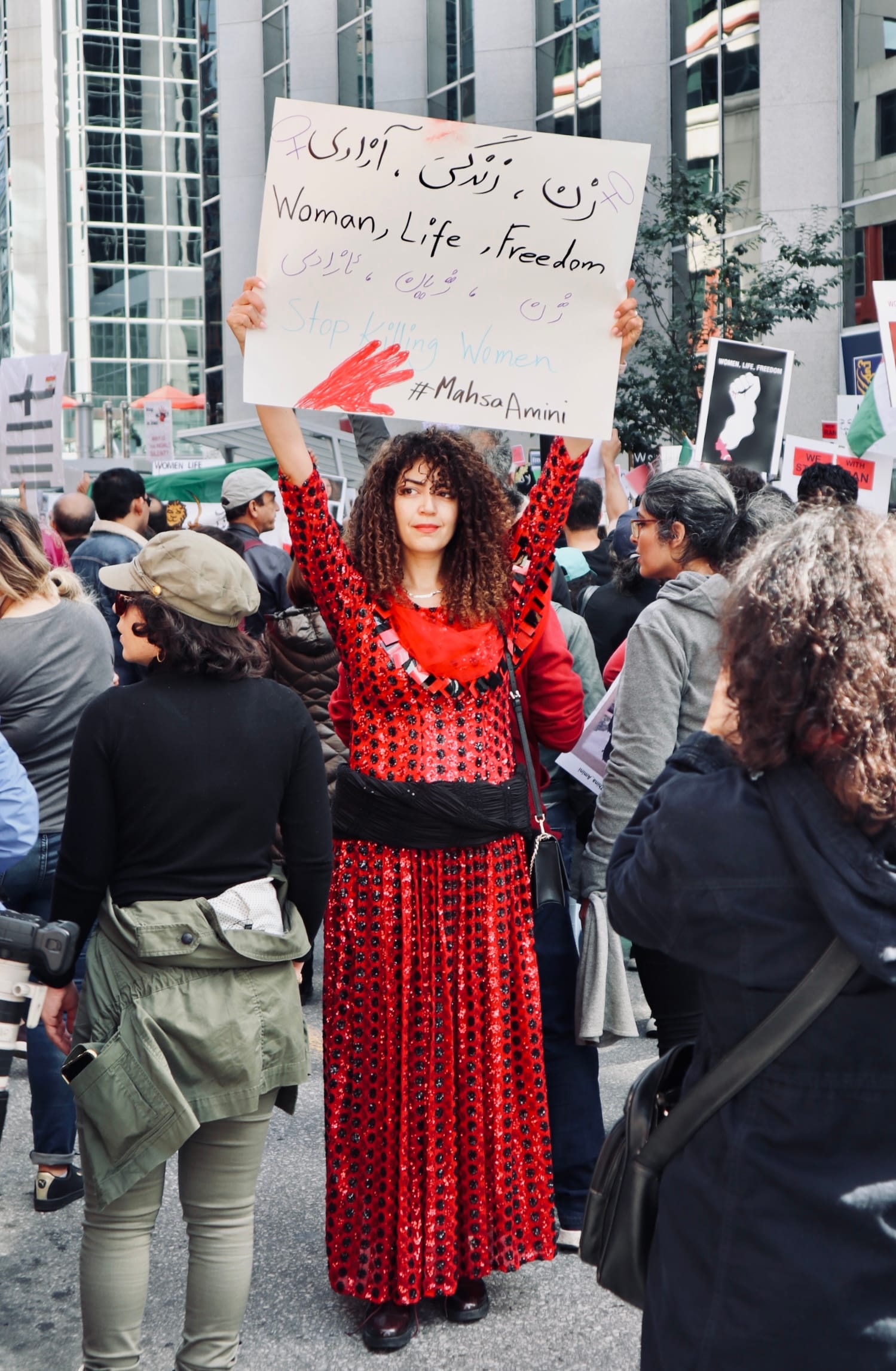
The Islamic Republic is a complex theocracy where power is cushioned by layers of clerical vetting and religious guardianship. For Iranian women, this system is a daily reality. They face compulsory veiling and systemic inequities in marriage, inheritance, and court testimony. In spite of this, the women of Iran have not remained silent: they have risked imprisonment, assault, and exile to challenge their government. They have called out the regime’s oppressiveness, leading to their protest slogan, “Woman, Life, Freedom.”
Yet, naming an oppressor should not automatically grant Western powers the legitimacy to intervene with force in whatever way they choose. The US and Israel have framed their strikes as preemptive necessities to dismantle a nuclear programme and command structure. This is a massive gamble on regional stability, and we must question the moral justification for insisting that a campaign of bombardment is, at its heart, an act of emancipation.
This sheen of righteousness was somewhat similarly used in the 2001 invasion of Afghanistan, which was presented as a rescue mission for oppressed women in burqas. Two decades later, as the Taliban swept back into Kabul, the world saw how fragile a “liberation” secured by foreign weapons really was. Military force can destroy a government building, but it cannot build a stable and lasting regime change.
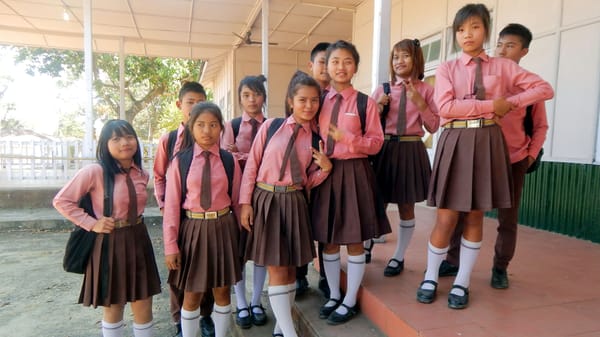
It is true that the international community has a duty to act when people are oppressed. What I am not sure of, however, is whether that action should arrive in the form of strikes – especially when it targets residential compounds and primary schools, killing 165 female students. While it is necessary to condemn the Islamic Republic’s gendered coercion, it is equally necessary to recognise that this condemnation does not confer custodianship upon Washington or Tel Aviv.
Airstrikes are effective at destroying centrifuges and command bunkers. They are notoriously poor at building accountable institutions. If the Iranian state collapses under the weight of this military campaign, the resulting power vacuum is unlikely to be filled by a liberal democracy. It is more likely to lead to civil war, increased militarisation, or a new form of dictatorship. In this kind of chaos, women’s rights are usually the first casualty.
As smoke hangs over Tehran and the Middle East braces for a long conflict, the central problem remains: liberation cannot be delivered from 30,000 feet. You cannot liberate women by bombing their daughters.