A way to reverse ageing? Yes please!
I don't mind getting old, it's just the ageing and dying that annoys me
Ah yes, Nature: everyone’s favourite science journal. We slag it off as populist bullshit but secretly dream of the day our paper will be published in its glossy, simplistic covers. What garbage have they thrown at us this week? Oh hurrah, we’re going to be able to reverse the aging process. And no doubt, by the time the mainstream media has finished bouncing on this story like Berlusconi on a power hungry teenie-bopper; we will be queuing up in our thousands to have this wonder enzyme pumped into our bodies. Let’s get one thing straight: if I earn enough money, I will probably get plastic surgery when I’m older to sort myself out.
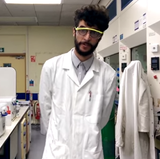
My opponent in this head-to-head is lucky that he is Chinese. Anyone who has seen a Kung-fu film will know that Chinese people can only look one way when they get old, and that way is awesome. Crazy moustache, little goatee and an ability to look good in a dress with sandals and socks, the Far East Asians are like a fine merlot when it comes to ageing. I, however, am from the Middle East. When my people get old, they grow jowls, and wrinkles deep enough to use as CD racks. Now as I’m sure you can tell from the photo above this article, I am a damn handsome man. A little problem with acne that crops up when it gets cold, but otherwise, I’ve got the package baby. Monobrow, nicotine stained teeth, weirdly small ears and frizzy hair: it’s a classic look that’s never going away; and I would never let any concept of growing old gracefully ever prevent me from preserving it.
“And what of the non-aesthetic reasons for preventing ageing, you vain prick?” you may ask. We are all getting older and the government is now getting us to work till we’re 70 before we can get a one way ticket to the drain-on-the-state-finances-express queue at the post office each week. Ignoring the fact that this trumped up miracle cure will ravage us all with cancer before we can even surprise our friends by seducing their kids with our fresh young faces, it is ridiculous that we can reject a genuine proposal to “cheat death”, or at least have us ticking over very nicely until the sudden, final gasp. I mean, have you ever seen children? They’re fucking horrible, messy things that bite and piss themselves. Or teenagers? You know how obnoxious and annoying freshers are, right? They’re like that but worse.
Youth is wasted on the young, and experience is wasted on the old. Any chance we get to redress that situation by doing away with the irritating, take-forever-to-get-off-the-bus shit that comes with age will make this a perfect utopian society for all.