Union Council kicks off year with Bar Night questions
First meeting brings financial questions

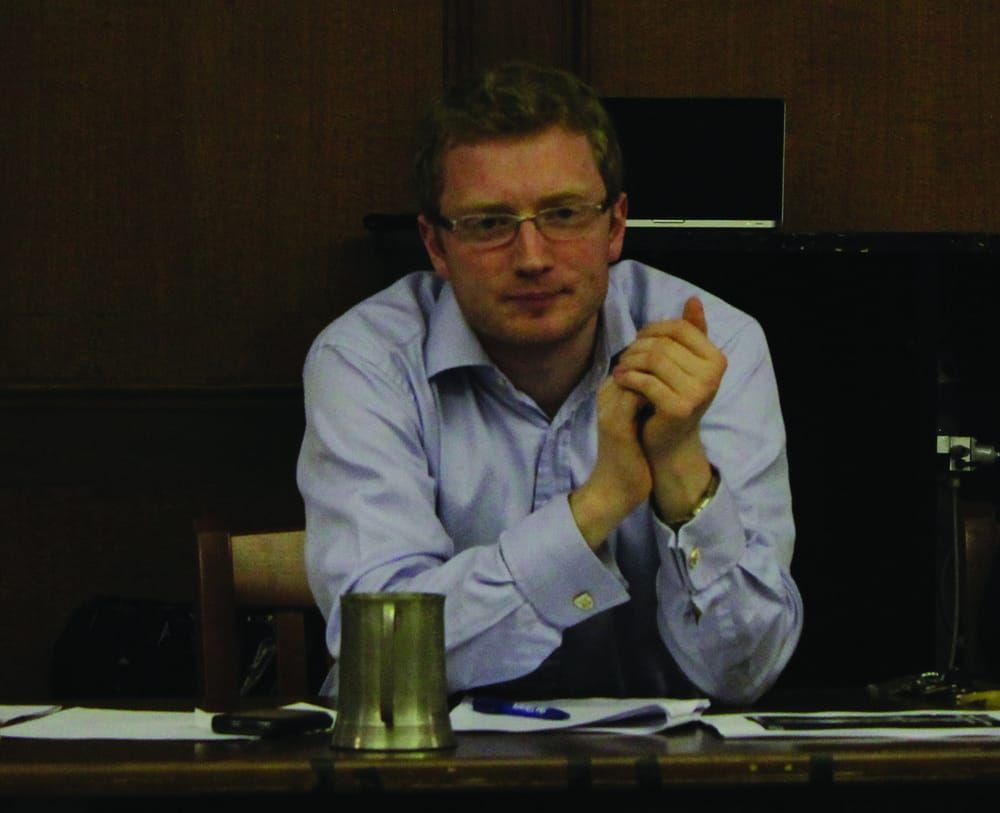
Monday 10 October saw the first Imperial College Union Council meeting of the academic year. Held in the Union Dining Hall and open to all students, the meeting saw this year’s sabbatical officers provide updates of their progress over the summer, presided over by this year’s Council Chair, David Smith.
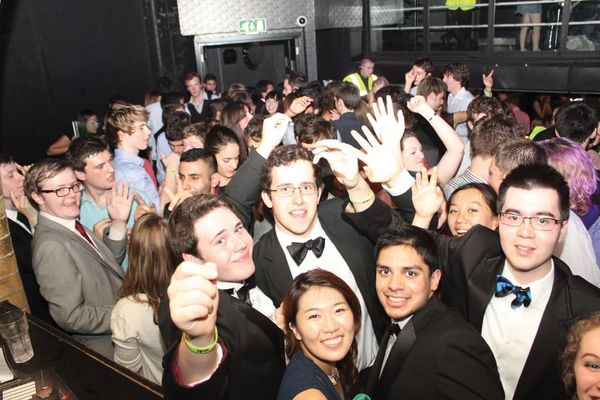
The most contentious issue of the evening was raised as a result of Deputy President (Finance & Services) Michael Foster’s update, and concerned the Union’s new guidelines regarding how clubs and societies are able to run bar nights. In order to ensure bar nights are ‘sustainable’ and to comply with licensing law, the Union is no longer able to sell kegs of beer at cost price to clubs and societies. Instead, the Union now offers a 10% discount on bar tabs for bar nights. Representatives from groups such as the Royal School of Mines Union and Arts & Entertainments Board questioned the new policies, considering issues such as the feasibility of making money from the new format of events.
Foster also announced the existence of a post-Summer Ball report and survey, due to be provided at the next Council meeting on Monday 31 October, citing that the figures were “not ready” in time for this meeting.