Employers don’t want you they want Warwick – says survey
Good news: still everyone doesn't want UCL
A recent study by High Flier Research claims that the top 100 graduate employers focussing on finding graduate recruits on a small number of universities. A list oftwenty universities targeted found Warwick University at the top and Imperial at 12th place.
The majority of graduate employers including BP, Civil Service, IBM, Goldman Sachs, PwC, Google and HSBC concentrate on this small handful of universities with some highly rated institutions such as St Andrews not appearing in the list.
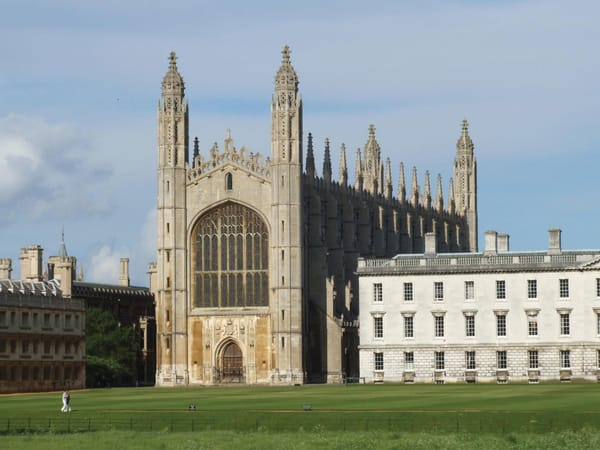
Cambridge came a respectable 4th behind Nottingham and Manchester and Oxford is considered the 7th most targeted university. Imperial comes behind Bristol, Durham, Birmingham, Bath, Leeds and Sheffield University, but thankfully not UCL – so we can all celebrate a bit.
The report showed a fall in the number of graduate jobs available with a drop of 0.8 per cent in entry-level graduate jobs over the last year. It was revealed that one-in-five firms are scaling back funding for their graduate recruitment programmes compared with last year.
Firms are more likely to use social media to promote their graduate schemes with 71% of firms planning to increase the use of this approach and one-in-four saying they would be putting fewer resources into university career fairs.
The Graduate Market in 2013 report indicates that students are being approached earlier, with 42 of the top 100 firms saying they were more likely to promote graduate roles to first years than in previous years. 28 of the top firms claimed to be targeting penultimate year students more than they have done in the past. So get ready to be tweeted at.