What went down at the Education demo
Over 15,000 students participated
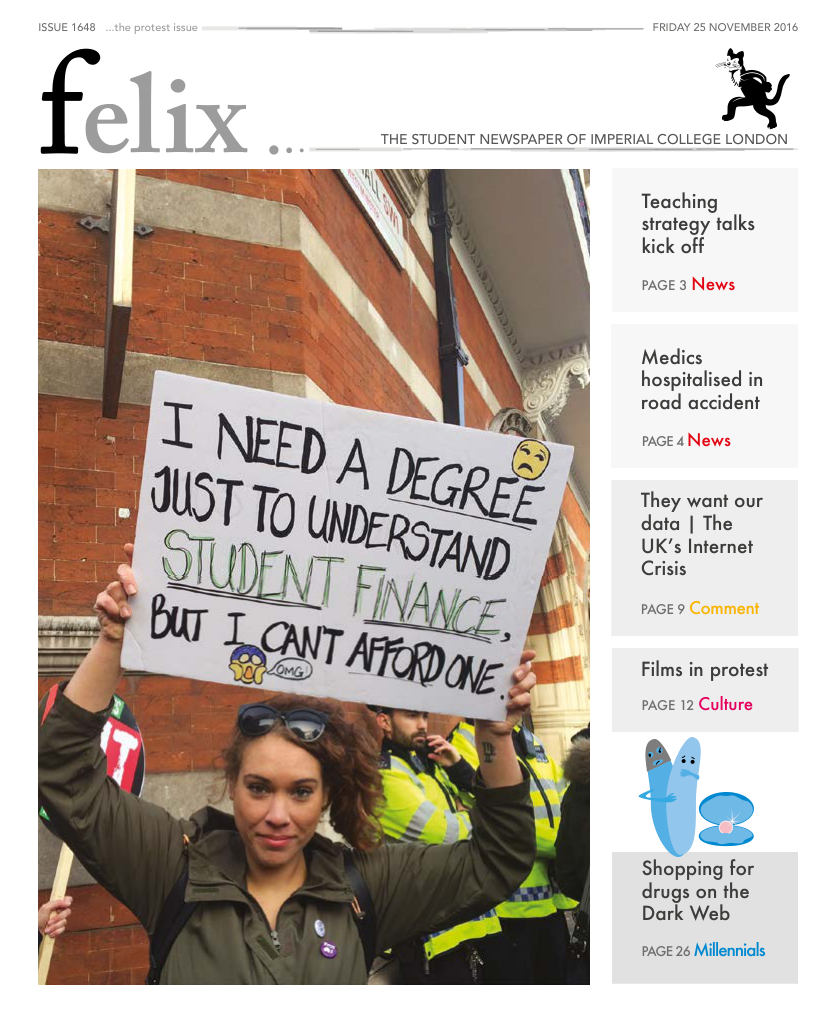
Saturday saw thousands of students and academics take to the streets to protest government cuts and education reforms.
The procession started near Hyde Park and progressed through central London with students holding signs and shouting chants such as ”no ifs, not buts, no education cuts” For its majority the march was peaceful, with only a few isolated incidents of violence which saw some participants branching off from the main procession, setting off flares outside parliament and calling for a rent strike.
The rally was later addressed by NUS President Malia Bouattia, political commentator and Guardian Columnist Owen Jones and Labour Leader Jeremy Corby among others.
Jones gave a particularly energetic speech during which he not only addressed the education crisis the UK is facing but also touched upon the threat of fascism and the response of the left. “We’re the sum of the collective effort not least, of our education system and the teachers who keep it running.... A society that fails to invest in education that fails to invest in young people, fails to invest in it’s own future,” said Jones.
The march concluded with celebrations at Goldmsith’s student Union of reportedly the biggest student demonstration since 2010.