Avatar 3: Fire and Ash
A successful comeback to Pandora: from ocean depths to scorched land, Avatar’s world grows darker – and closer to home.
In December 2022, the blue Na’vis of Pandora made their return to the big screen, thirteen years after the first movie. We didn’t have to wait that long for the third opus, Avatar: Fire and Ash, released this December, which has already crossed the $1 billion global box office mark.
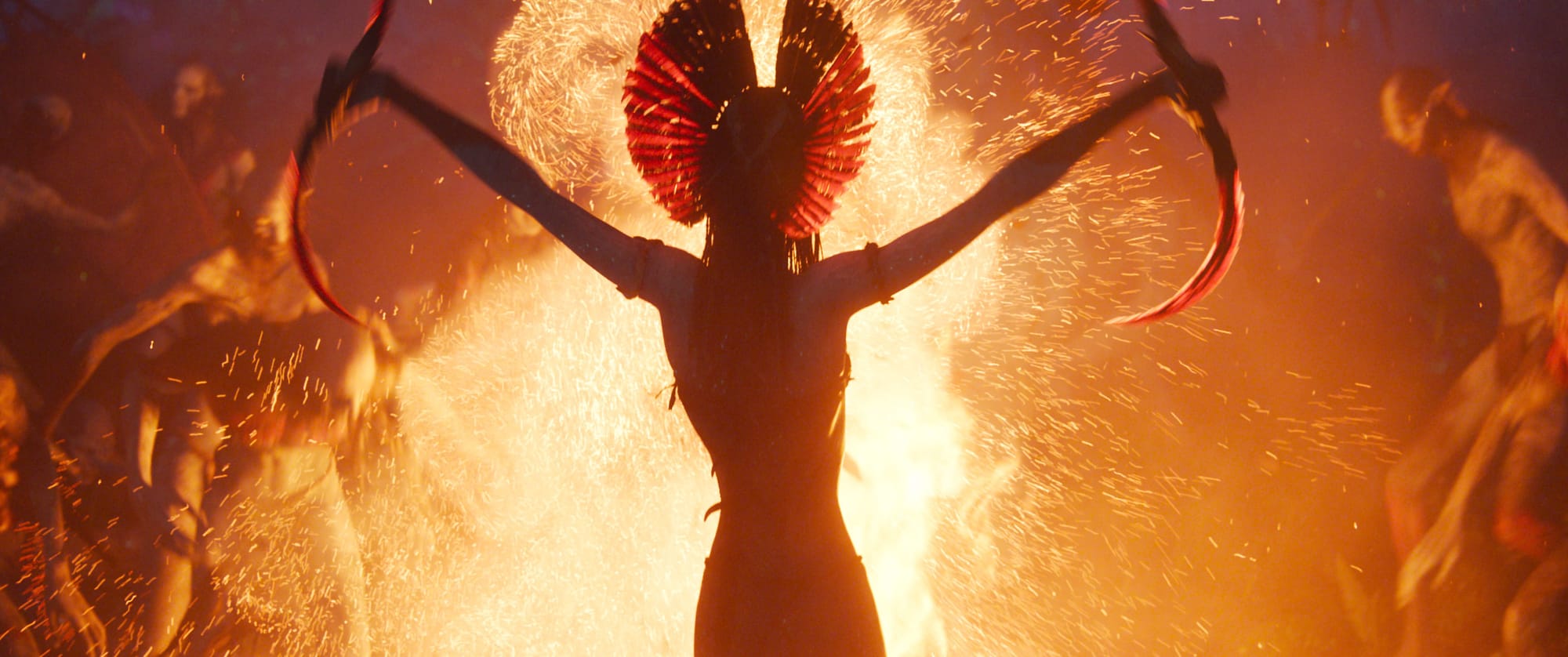
After the water-based Metkayina clan, here we discover a fiercer, darker, and creepier new tribe: the Mangkwan Clan, also known as the “Ash people”. This tribe brings a new threat to the family of the trilogy’s protagonist, Jake, who must also deal with his old enemy, colonel Miles Quaritch. However, this conflict is only one of the numerous plotlines explored by the movie, and a lot of them come from the second opus: Lo’ak’s relationship with Payakan the Tulkun, Kiri’s enigmatic backstory, Jake’s obtention of the honorific Toruk Makto title, etc. Before stepping into the cinema, a rewatch of the previous movies is strongly recommended to not get lost during the 3 hours and 15 minutes of the Avatar experience.
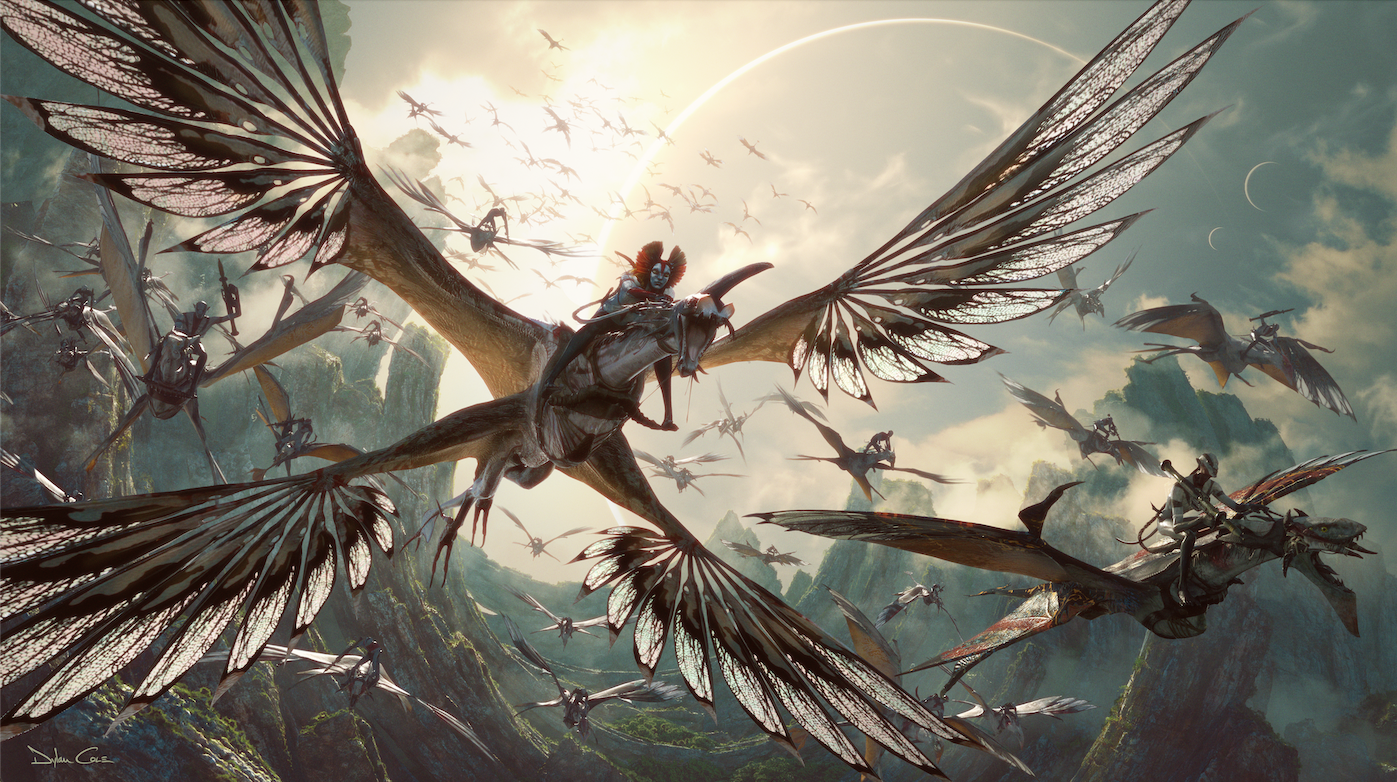
As James Cameron has accustomed us to, this movie brings psychological and introspective elements going beyond science fiction. Jake’s family has to cope with the grief of their oldest son – a particularily hard loss for Lo’ak, who carries on his shoulders the guilt of his brother’s death, while suffering from his father’s rejection. Besides family conflicts, the characters face internal battles, caught between reason and heart, in emotional sequences bringing a necessary contrast with the physical intensity of battle scenes. The strength shown by the female characters, Neytiri (Zoe Saldana), Varang (Oona Chaplin) and Ronal (Kate Winslet), carried by the actresses’ amazing work, will make you love (or hate) them even more.
Avatar: Fire and Ash continues the obvious parallel between the exploitation of Pandora and humanity’s treatment of Earth. The resemblances are quite striking. The hunting of the whale-like Tulkun species, where an entire sentient clan is violently killed only for a small part of their body, mirrors the real-world exploitation of whales; scientists’ warnings are ignored in favour of immediate and eye-watering economic profits. Scenes of Na’vi women being catcalled or crowds of smartphones will undoubtedly evoke some parallel memories in the audience. Even if the film happens on a moon in a star system about 4.37 light-years away from Earth, the plot might just hit a little bit too close to home.
Once again, the quality of the massive CGI is striking, and the meticulous attention to decors and costumes details immerses the audience in the story world. The light work is particularly impressive, with sudden contrast when colourful and magnificent Pandora scenes cut to the grey and ominous human base. Avatar is one of those rare movies where, without even realising it, you wish the aliens to win over your human peers.

For the moment, Avatar doesn’t seem to have fallen in the trap of endless sequels motivated by profit rather than story. While the second opus’ strength lies in nostalgia and upgraded visual effects, this third movie continues the success of the saga by bringing a dark and introspective dimension, checking all the expectations from the public. It remains to be seen if the fourth and fifth films, planned in December 2029 and 2031 respectively, will continue this triumphant road and also lead their way to the top of the box office.