Bird(er)s of a feather
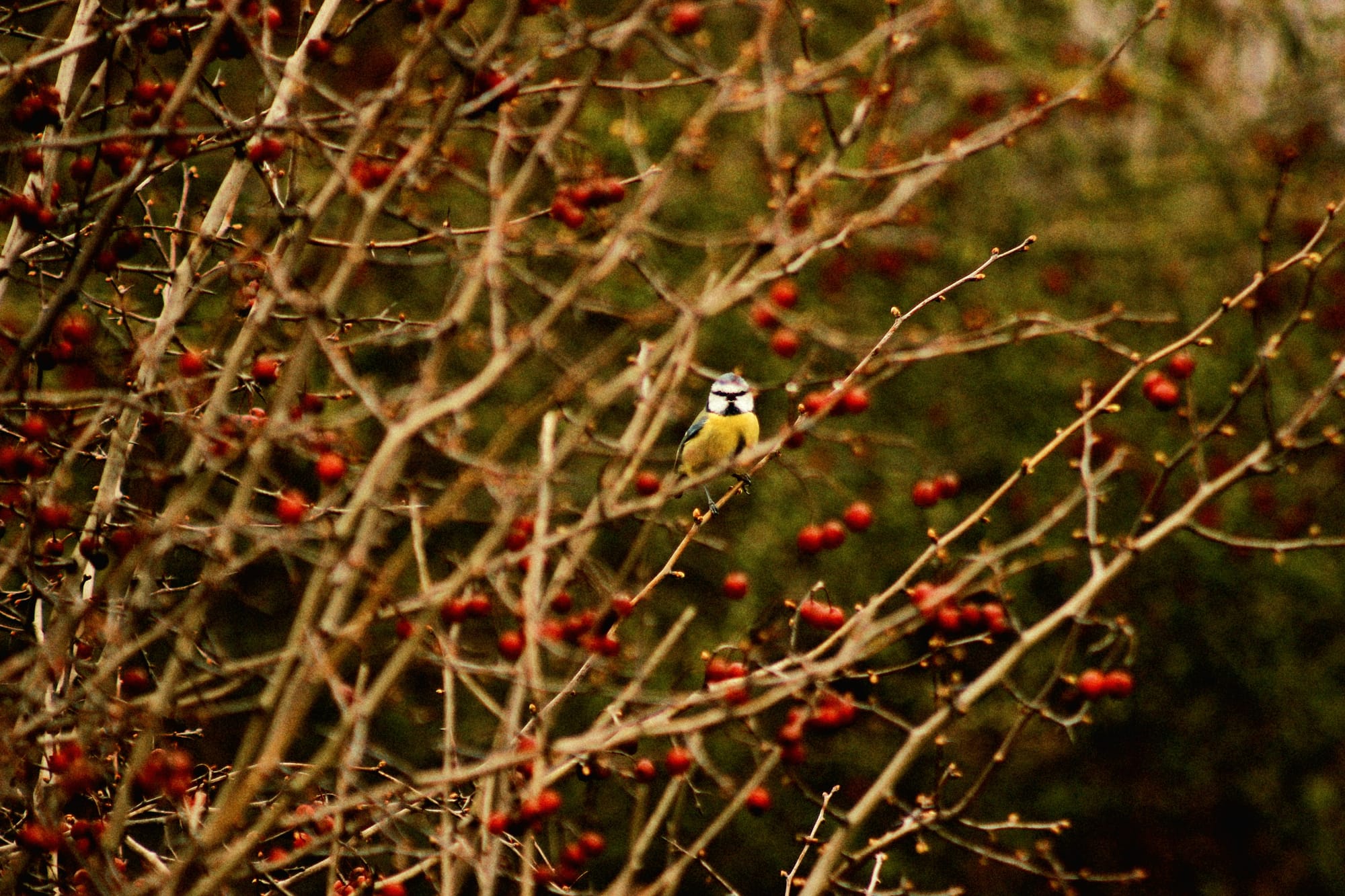
Birdwatching, or birding, has been on the rise, attracting more diverse crowds including young people and women. A recent study published by the RSPB found a tenfold increase in the number of Gen Z birders since 2018.
Part of this can be attributed to the pandemic, when many sought engagement with nature for its wellbeing benefits. Like many nature-based activities, birding encourages people to be present, reduces feelings of stress and anxiety, and improves mental wellbeing. According to one Imperial birder, “even more so for us STEM people, we yearn to touch grass”. Birding “forces you to notice what's around you” and is a nice way to keep yourself entertained on hikes.
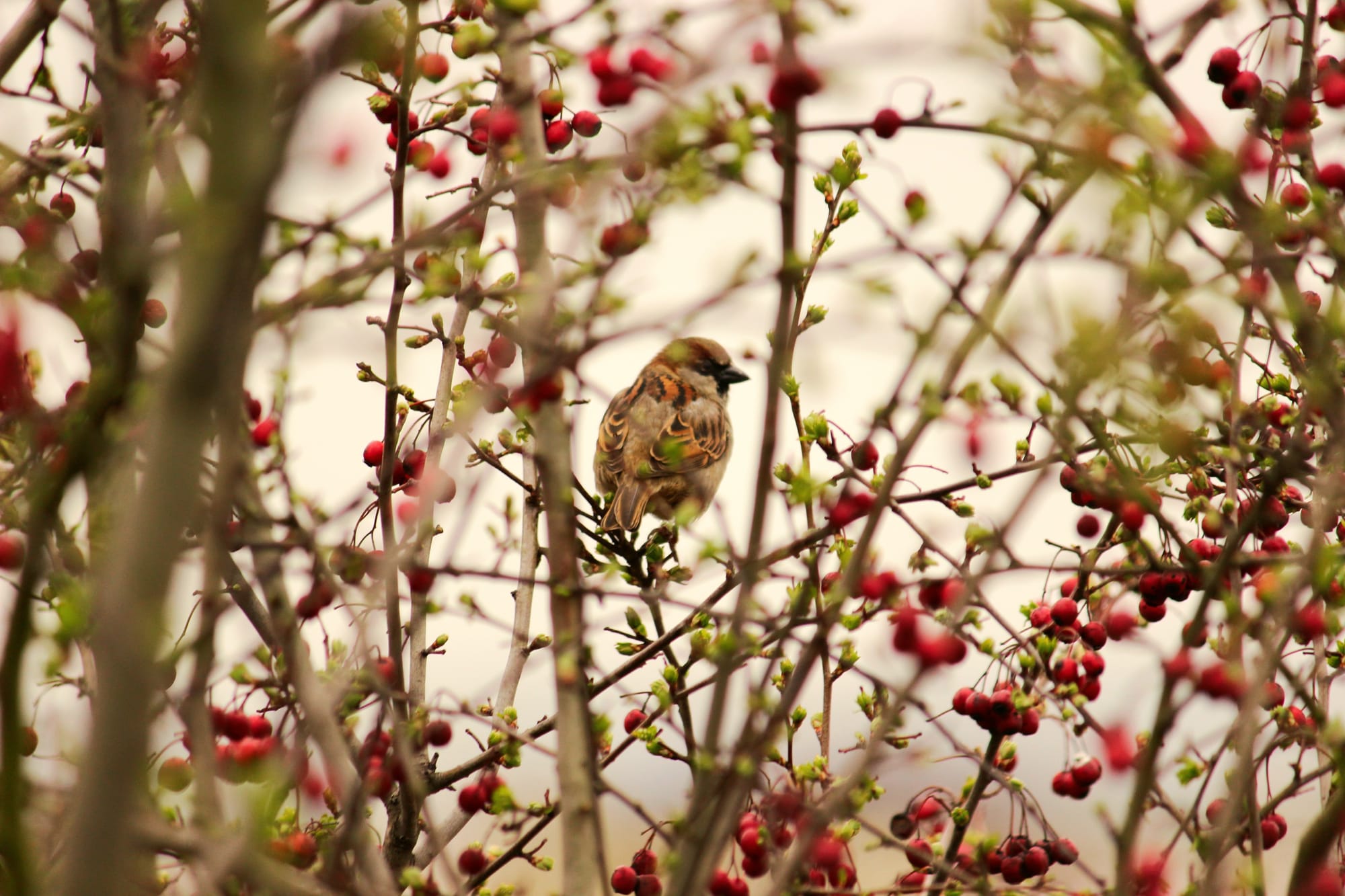
Birding is extremely accessible – anyone who can see, hear or observe birds is a birder. It can motivate some to explore new places, but you can just as easily enjoy the presence of birds from your window or local park, and even Queen’s Lawn. For those who want to dive deeper, bird identification has been enabled by technology such as apps like Merlin Bird ID, developed by the Cornell Lab of Ornithology, which helps users identify birds using a combination of location data and images, descriptions or sound recordings of birdsong.
Birding can also build community and promote social bonding. Many birders get introduced to the hobby through fellow birders. Within Imperial, the Environmental Society has a group of birders organising birding trips, and the Botanical Society brought together a group of experienced and new birders to engage in the RSPB’s Big Garden Birdwatch, a citizen science initiative to monitor the welfare of garden birds across the UK.
Citizen science offers birders the opportunity to contribute to conservation, building a reciprocal relationship between people and nature. Citizen science engages the public to collaborate on scientific research, such as bird surveys, which allows information to be collected at a scale that is difficult for professionals to replicate. This means more data, from more locations and in real time. Citizen scientists have provided important information on bird populations, distributions and migration patterns, which produce broader insight into biodiversity loss, habitat change and the impact of human actions on ecosystems. This data has been used for various purposes including peer-reviewed articles, monitoring, conservation, law and policy.
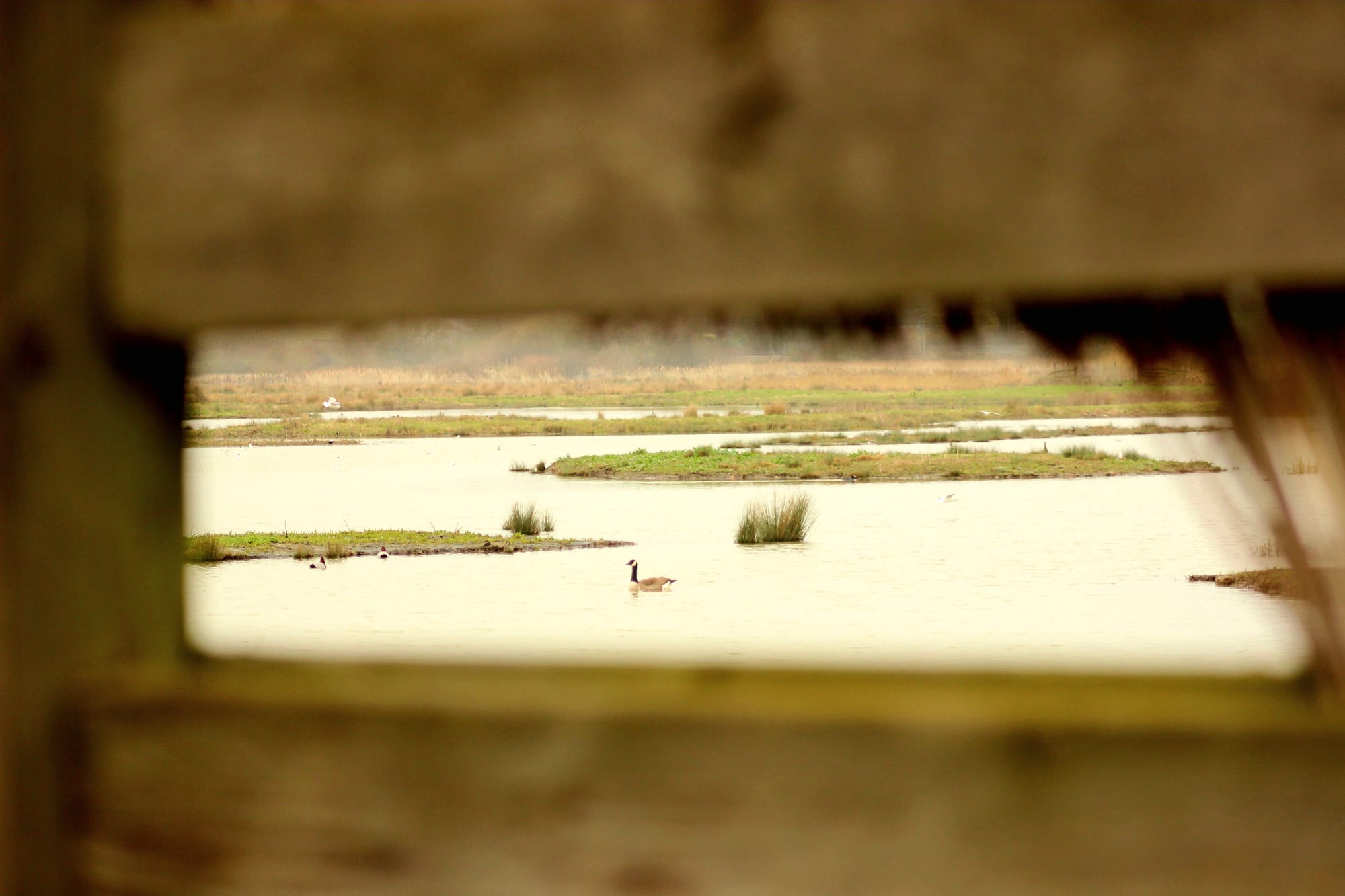
One citizen science project that Imperial students can participate in right now is the British Trust for Ornithology’s (BTO) Birds in Greenspaces that runs from April till 30 June 2026. The project asks participants to count birds of different species they see or hear in their green space of choice and record it in a mobile app. It seeks to understand how birds utilise public green spaces like parks and open fields, to help inform management decisions that will improve these spaces for people and birds. The closest green spaces to Imperial for monitoring are Prince’s Gardens, Kensington Gardens and Hyde Park.
Anyone can participate, regardless of experience level. To equip participants, the BTO provides resources on bird surveying such as bird identification guides and videos highlighting key features of common birds found in green spaces. Users can also indicate their level of certainty when recording, which allows researchers to account for human error and improve data accuracy. Participants can opt to conduct a full survey or just record quick observations, although a full survey in a designated green space is still expected to take less than 30 minutes. Despite the advantages of citizen science, it is difficult to distinguish similar birds or identify birds that are well camouflaged in trees and reedbeds. Hence, crowd-sourced data is sometimes complemented with surveys conducted by more experienced researchers or volunteers.
By providing this flexibility, this project keeps citizen science accessible and inclusive and can be a great way to introduce people to such projects. It encourages participants to pay more attention to birds in different species, connect with nature in new ways, and gain new skills. Citizen science demystifies and democratises the research process, which can boost the legitimacy of science and scientific institutions. Beyond bird surveys, some researchers also advocate for greater participation such as community-based management to better support conservation.