Extinction for Sale: Neoliberalising Nature in Venomous Lumpsucker
The neoliberalisation of nature is an ideology that considers biodiversity and ecosystems as assets that can be priced, traded, and privately managed. It uses markets rather than public protection to mitigate the biodiversity crisis. Increasingly, this approach is being applied to climate and nature policy. For example, in July, the European Commission published a roadmap towards nature credits, a market mechanism designed to attract private investment in nature. Although some economic valuation of natural resources will likely be important in conserving species, it is important to consider the risks of deeming nature as a substitutable asset.
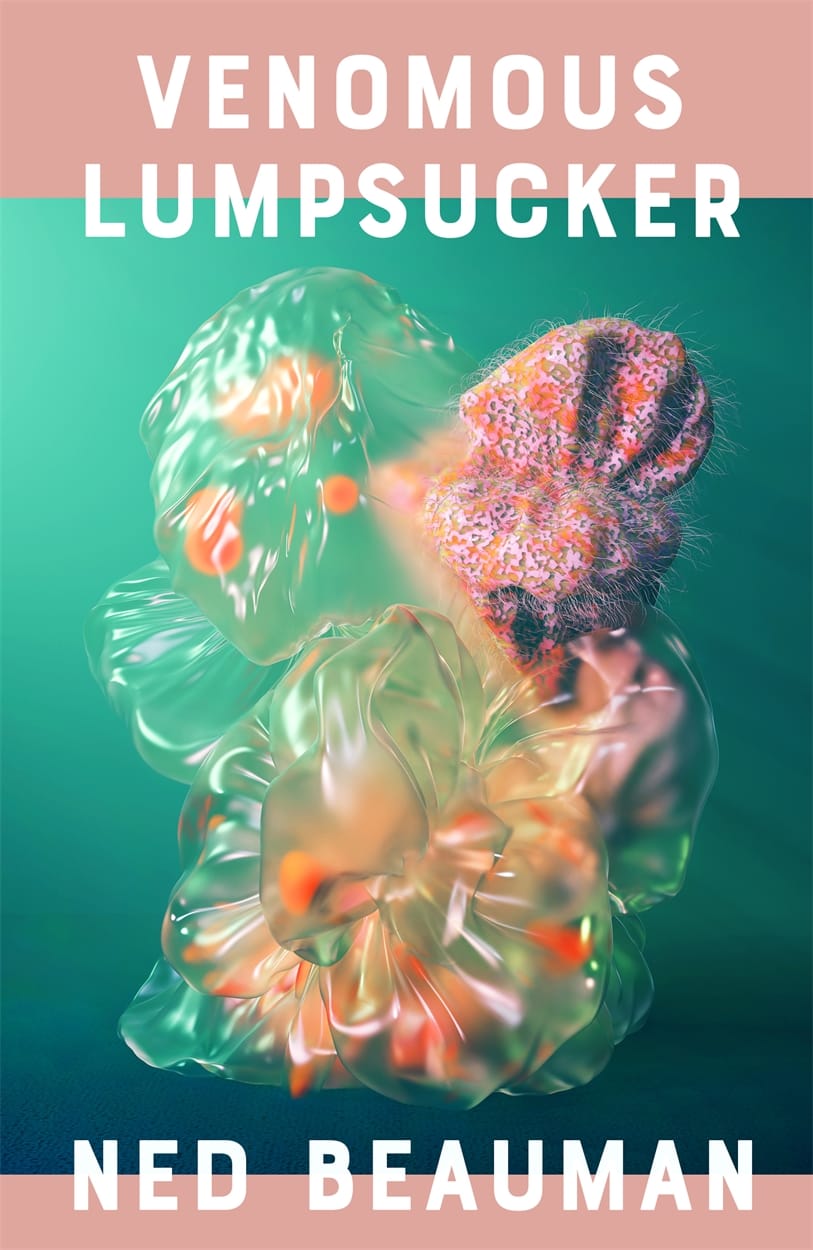
Venomous Lumpsucker by Ned Beauman is an expertly crafted critique of this neoliberalisation approach, and an extremely interesting read. The novel follows Karin Resaint and Mark Halyard, opposing characters who work closely with the fictional “extinction industry,” the network of companies that profit from approving the destruction of species. For different reasons, the pair seek the critically endangered “Venomous Lumpsucker” fish together: Halyward is selfishly motivated by a previous financial gamble, while Resaint is selflessly motivated by a sense of justice and virtue. Beauman leverages the tension between the two to illustrate the conflict between the value of nature for human purposes and nature’s inherent, non-instrumental value.
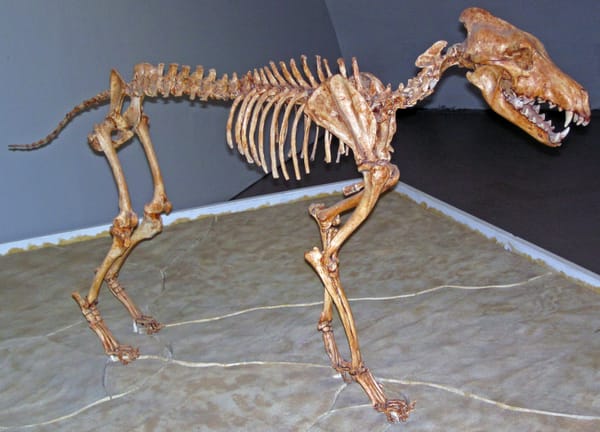
The story is set in the near future, when tens of thousands of species are becoming extinct each year. Following a watershed loss of Chiu Chiu, the last Giant Panda, global action is taken to preserve biodiversity, and countries opt for a free-market solution. Companies are assigned “extinction credits,” with the idea that this allocation will be ratcheted down over time, increasing their scarcity and price. However, in practice, this plan failed, and extinction credits are ‘plentiful and cheap’, allowing the fictional mining company, Brahmasamudram, to pay an insignificant amount of money to wipe out entire species. Beauman’s meticulous, emotive prose highlights the worst-case scenario of depoliticising the natural world, reducing ethical questions about species conservation to inaccurate market calculations.
Venomous Lumpsucker is informative to the extent that it reads almost like a university essay, presenting the most relevant contemporary issues and using its protagonists to critically analyse them. The role of biobanks, facilities that store biological material and data, in reversing extinctions is examined. Citizens are reassured that biobanks will one day be used to restore extinct species, increasing public acceptance of burgeoning species loss. However, Halyard, who works closely with these institutions, believes that companies are not sufficiently economically motivated to restore these species, and acknowledges that these banks cannot preserve aspects like habitats, learnt behaviours, and cultural value. Beauman presents the risk of reliance on biobanks as an insurance policy in a fantastical, sci-fi nightmare scenario where a computer worm destroys all biobank information globally. This nudges us to consider whether biobanks may be a poor substitute for conserving living species, whilst illustrating how treating nature as a tradable asset can lead to collapse.
Moreover, aside from its real-world salience, the book is deeply resonant on an emotional level. From the outset, Beauman explores grief in his protagonists, traversing the impact of Halyard’s loss of a loved one and the black hole of grief induced by the extinction crisis in Resaint. We are pushed to consider whether personal and ecological grief should be equated, and whether our own feelings towards endangered and extinct animals are sufficient. Venomous Lumpsucker often prompts reflection on our current actions and state of the world through its playful humour: referring to the isolationist “Hermit Kingdom,” in a nod to Brexit; and considering the actions of the United States to be so grim and embarrassing that it is taboo to refer to the country out loud. Beauman’s ability to provoke reflection through diverse means of humour, logic, and sentiment makes the novel particularly profound and a powerful tool to engage us with the matters of concern.
Venomous Lumpsucker encapsulates such a huge number of concepts that some may be missed without prior context. However, it so astutely explores the complexities and potential unintended consequences of neoliberalised conservation that it will interest anyone concerned with the future of the natural world. Beyond its ideas, the novel’s characters, readability and humour make Venomous Lumpsucker a dark, but deeply entertaining read.